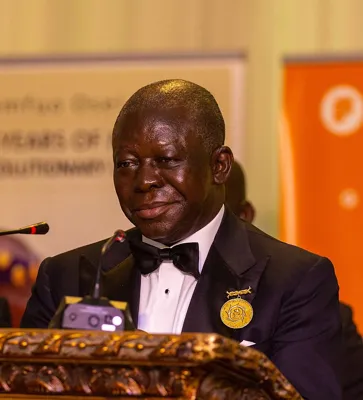

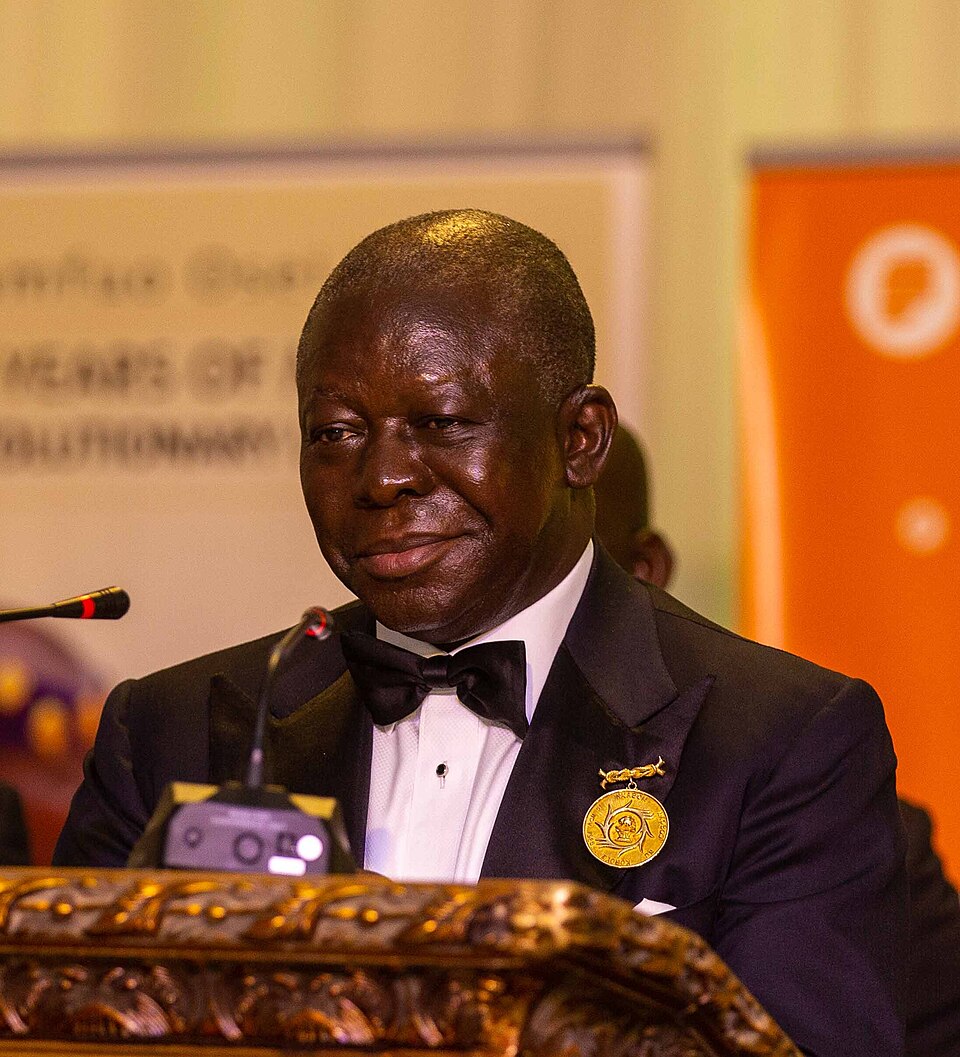
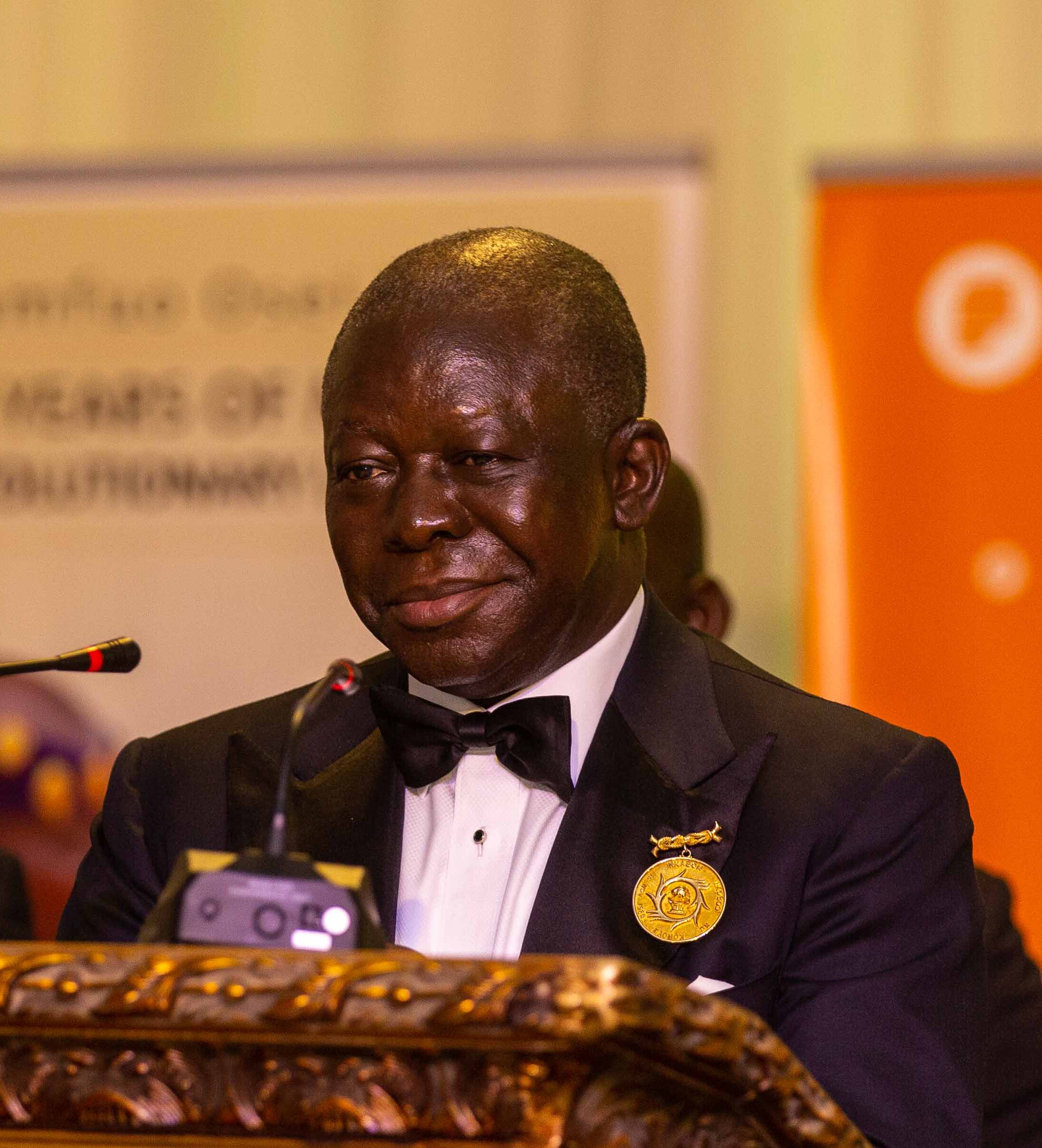

Two of Ghana's most powerful traditional rulers occupy very different corners of the country's cultural and economic landscape: Otumfuo Osei Tutu II, the Asantehene and custodian of the Golden Stool, and Togbe Afede XIV, the Agbogbomefia of the Asogli State and one of Ghana's wealthiest private-sector leaders. Both command enormous respect, both wield significant influence in Ghana's national conversation, and both have chosen to use their platforms to speak on matters of governance, development and national identity. The comparison between them illuminates what traditional authority looks like in twenty-first-century Ghana.
Authority and cultural standing
Otumfuo Osei Tutu II ascended to the Golden Stool in 1999 and has since made the Asante Kingdom one of the most institutionally organised traditional states in West Africa. The Manhyia Palace under his leadership has functioned not just as a ceremonial institution but as an active participant in the governance of Kumasi and the Ashanti Region, weighing in on development projects, land disputes and the political direction of the country. His authority among the Asante people is not merely symbolic; it is structural, backed by a constitutional framework that gives traditional rulers a formal role in Ghanaian governance.
Togbe Afede XIV leads the Asogli State in the Volta Region, a position he has combined with a career as one of Ghana's most successful businessmen, having built ADB Bank, the Star Life Assurance Company and other significant commercial interests into a substantial personal fortune. His profile as both a traditional ruler and a business titan is unusual in Ghana, and it gives him a platform that extends beyond the confines of his traditional area into the national business and policy conversation.
Net worth and economic footprint
Otumfuo Osei Tutu II's net worth is estimated at $12 million, a figure that understates the economic reach of the Asante Kingdom as an institution: Manhyia controls significant land assets across the Ashanti Region, and the Asantehene's influence over land allocation and commercial development in Kumasi gives him economic weight that a personal net worth figure cannot fully capture.
Togbe Afede XIV is estimated to be worth $200 million, making him one of the wealthiest individuals in Ghana by any measure. That wealth is the product of decades of business activity across banking, insurance and infrastructure, and it gives him a financial independence that most traditional rulers cannot claim. He funds his own development projects, speaks independently on national economic policy and carries none of the financial dependencies that can constrain a traditional ruler whose institution relies on government or external support.
Legacy
Both men have used their authority to advocate for development in their home regions. Otumfuo Osei Tutu II has championed road infrastructure, educational institutions and the preservation of Asante cultural heritage, including the Manhyia Palace Museum and the various festivals that keep Asante traditions alive. Togbe Afede XIV has invested in the Volta Region's infrastructure and institutions, and his philanthropic work through the Togbe Afede Foundation has built schools and supported community development across the Asogli area.
What separates them is the nature of their institutional power. Otumfuo leads the largest and most historically significant traditional state in Ghana; his authority rests on centuries of Asante history and the cultural weight of the Golden Stool. Togbe Afede XIV commands respect across a wider national stage through his economic achievements and his willingness to speak plainly on matters of national concern. Ghana is fortunate to have both kinds of traditional leadership: the deep cultural custodianship of Manhyia, and the economically grounded public voice of Asogli.