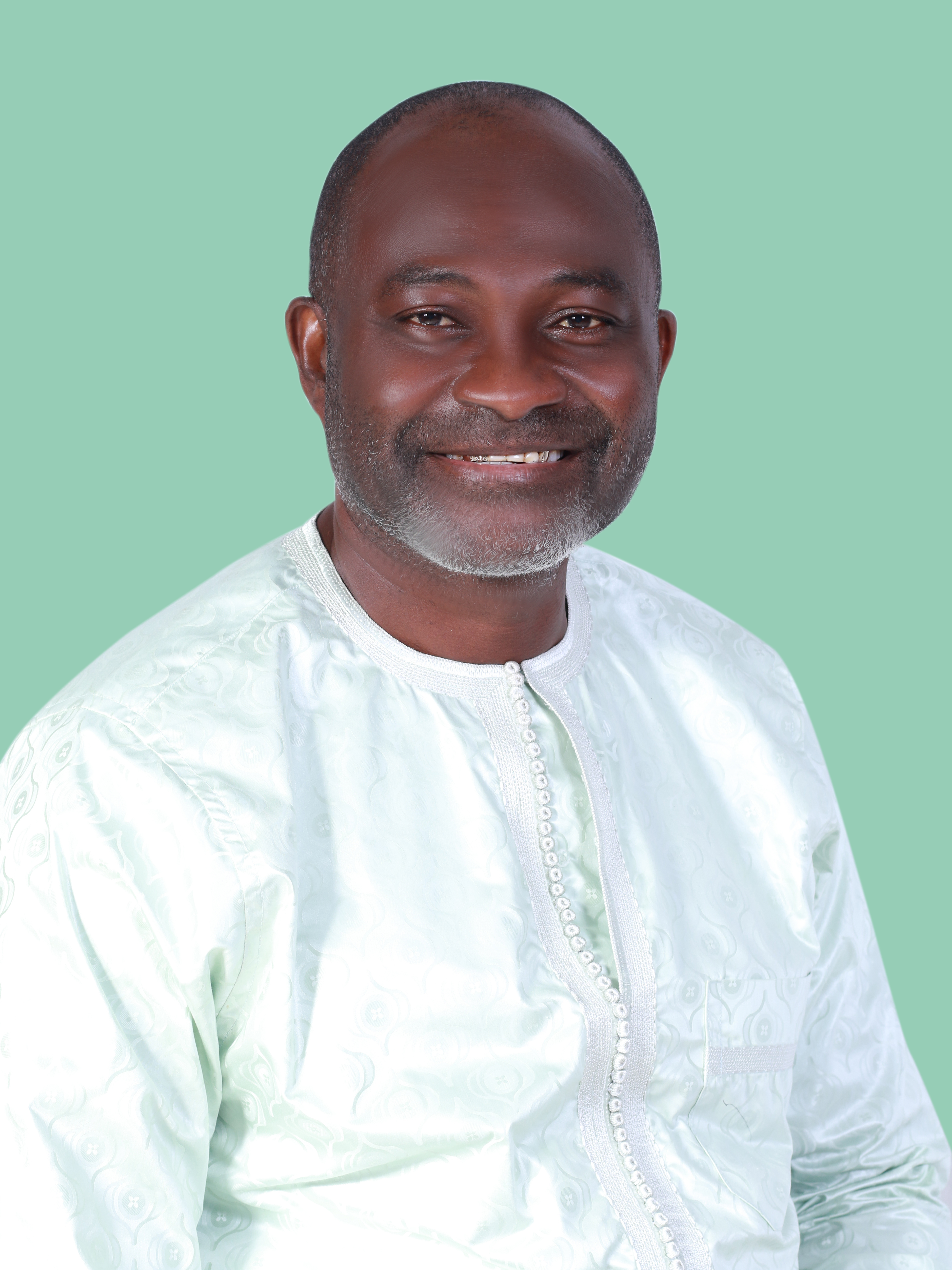

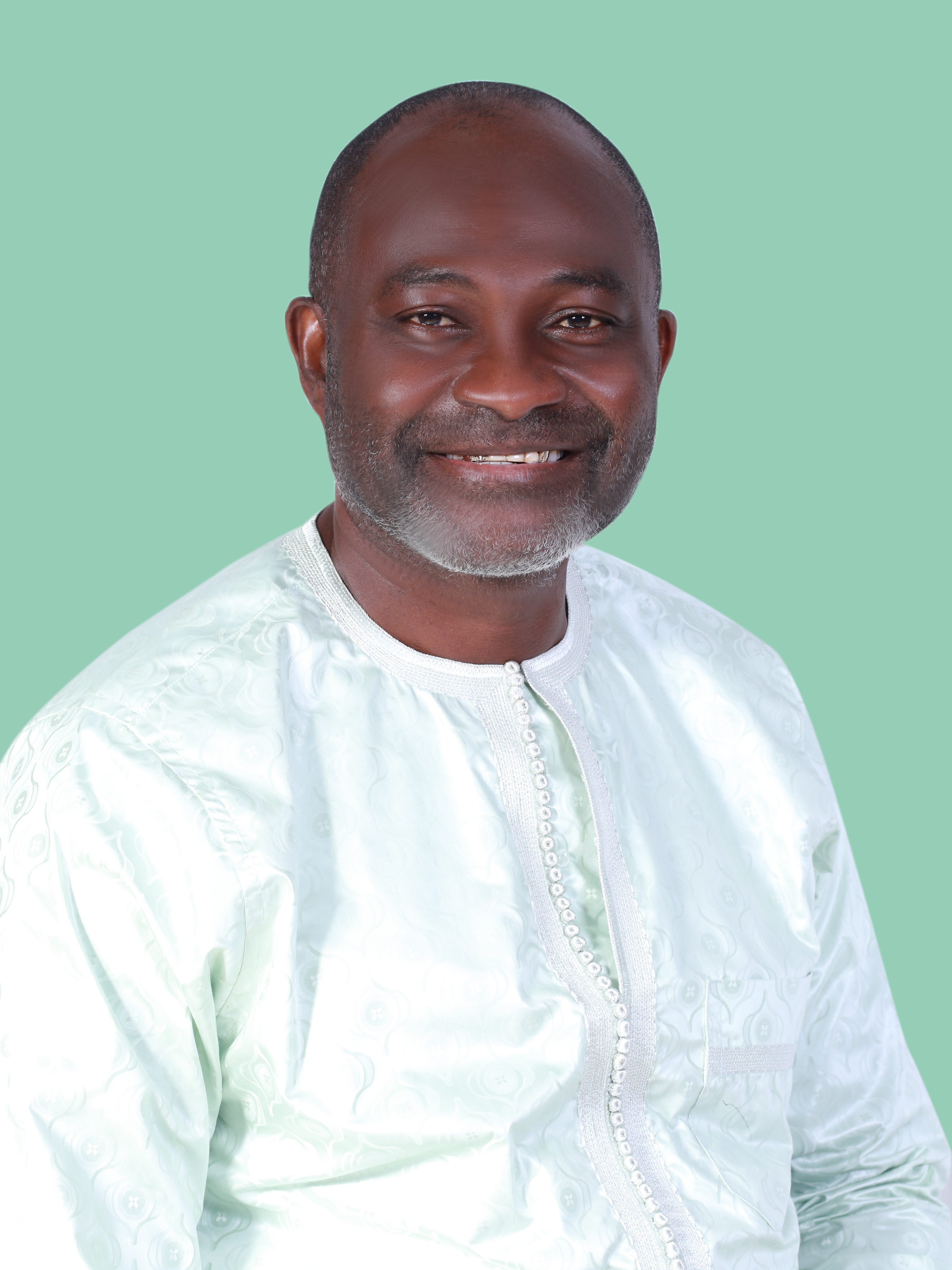
In a parliament known for careful language and measured statements, Kennedy Ohene Agyapong has always stood apart. Since winning the Assin Central seat in 1997, he has spoken in ways that have generated criminal investigations, parliamentary censure motions and some of the most discussed political moments in Ghana's Fourth Republic. He has also built one of the largest personal fortunes in the country, owned the media platforms that broadcast his views, and contested a presidential primary that placed him second in the race to lead a major political party. The controversies and the achievements are part of the same story.
The business foundation
Agyapong was born on 16 June 1960 in Accra. He grew up in modest circumstances and built his early wealth through trading, first in Ghana and later extending into the United States, where he developed interests in construction and real estate. By the time he entered Parliament in 1997 on the NPP ticket, he was already financially independent in a way that most politicians are not. That independence has defined his political career: he does not need office for income, and that freedom from financial dependence on the political system is part of what allows him to speak as he does. Whether that produces honesty or recklessness depends on which particular statement one is evaluating.
Net2 TV, Oman FM and the media advantage
His decision to build a media empire rather than simply participate in one gave him a structural advantage that very few Ghanaian politicians possess. Net2 TV and Oman FM reach millions of Ghanaians daily, and Agyapong has never been shy about using those platforms to amplify his views on politics, governance and his political rivals. The combination of a parliamentary seat, independent wealth and owned broadcast infrastructure means that his voice does not depend on the goodwill of editors or the patience of party communications teams. He controls the amplifier and the message simultaneously. Critics argue that this concentration creates accountability problems. His supporters argue that it is exactly the kind of independence Ghanaian public discourse needs.
Assin Central: twenty-seven years and counting
The longevity of his Assin Central mandate is one of the underreported facts of his career. Winning the same constituency seven consecutive times, across both NPP government periods and opposition years, is not something that happens on name recognition alone. He has invested heavily in the constituency, funding schools, community projects and direct support for constituents in ways that have built a personal loyalty that survives his national controversies. The people of Assin Central have returned him repeatedly not despite the controversies but alongside them, which suggests that the relationship he has built at the local level operates on a different register from the national conversation about what he says on television.
The 2023 presidential primary
His campaign for the NPP's 2023 presidential nomination was the most significant test of his broader political appeal. Running against Dr Mahamudu Bawumia, the sitting Vice President, Agyapong mounted a campaign that drew on his business record, his media profile and his reputation for directness. He finished second, receiving enough votes to confirm that his support within the party is nationwide rather than confined to the Central Region. The primary also demonstrated something that his critics had always resisted acknowledging: a significant portion of the NPP's grassroots sees his particular combination of wealth, media access and willingness to speak directly as a political asset rather than a liability.
What his career represents
Ghana's political culture has produced many businesspeople who entered parliament and many parliamentarians who built businesses. Kennedy Agyapong did both at a scale that made him a category of one. He is not the richest Ghanaian, nor the most senior politician, nor the most decorated. He is, by most measures, the most difficult to ignore, which in a media environment crowded with voices competing for attention is its own form of achievement. Whether Ghana ultimately benefits more from the things he has built or is held back by the things he has said is a debate the country has been having for nearly three decades. It shows no sign of concluding soon.