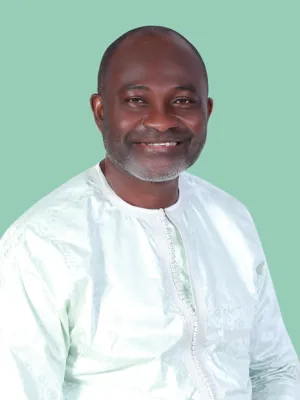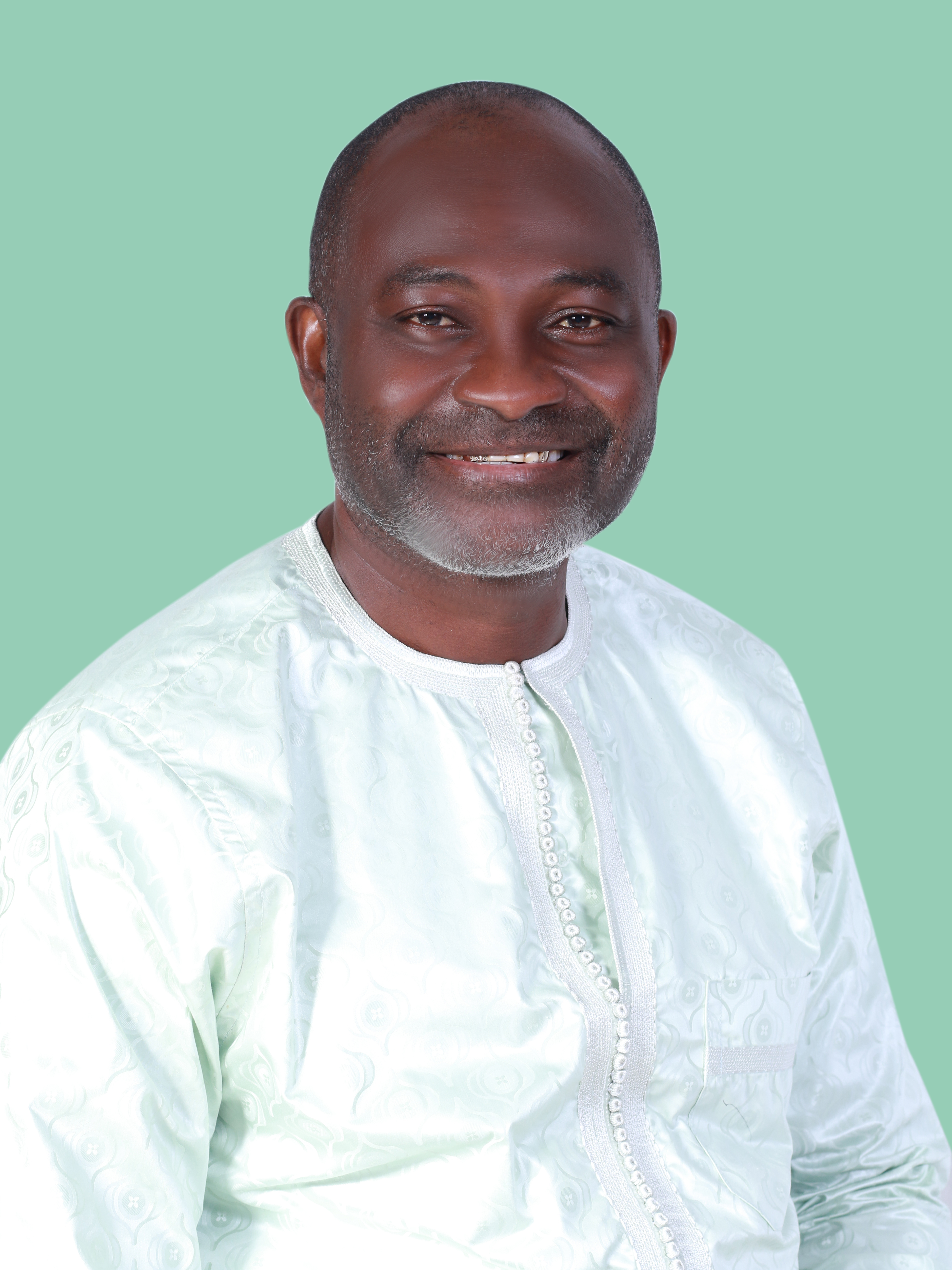

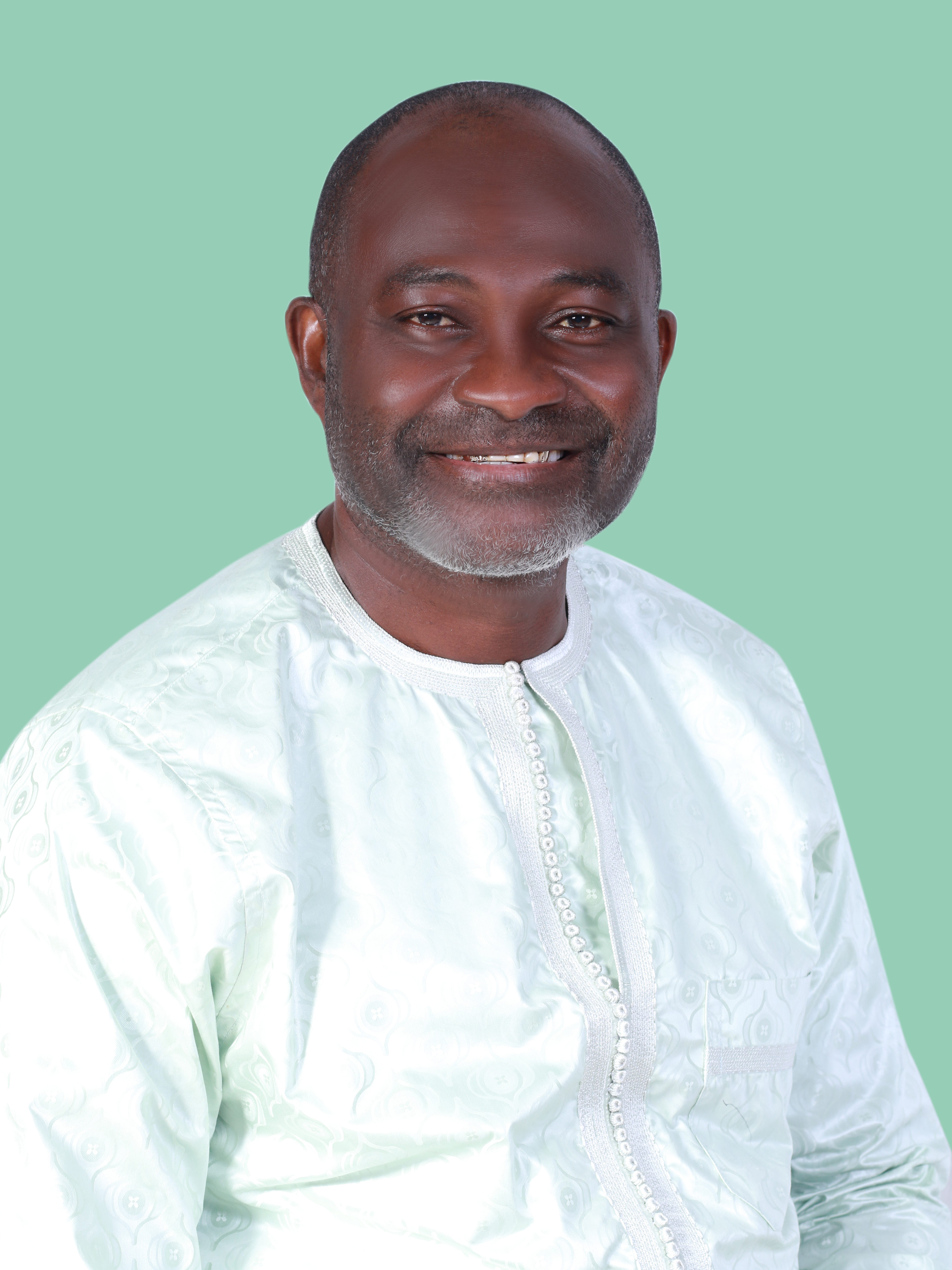
Kennedy Ohene Agyapong has been the member of parliament for Assin Central in the Central Region of Ghana since 1997. That is nearly three decades of continuous parliamentary representation: longer than most of his critics have been paying attention to Ghanaian politics, longer than many of his supporters have been eligible to vote. The career behind the controversy is one of the most durable in Ghana's Fourth Republic. Understanding Kennedy Agyapong requires taking both the durability and the controversy seriously, rather than letting one obscure the other.
The business foundation
Before he entered politics, Agyapong was building a business. His trading and construction interests span Ghana and the United States, developed across the late 1980s and 1990s into a commercial base substantial enough to fund his entry into parliamentary politics on independent terms. That financial independence has been central to his political persona ever since: he has never needed the salary or the patronage that political office provides, and he has operated accordingly. His media holdings reinforce the independence: Net2 TV and Oman FM give him a broadcast platform that he controls directly, removing the need for editorial goodwill that most politicians depend on for coverage.
Assin Central and the constituency record
His return rate in Assin Central tells a story that national controversies can obscure. Voters in the constituency have re-elected him through periods of NPP government and opposition, through legal proceedings, through statements that generated national and international attention. The personal investment he has made in constituency infrastructure, including schools and community facilities, is well documented. Whatever else is said about him, the people he is most directly accountable to have continued to return him to parliament for more than two decades.
Political style and controversy
His public interventions have generated more controversy than those of almost any other sitting Ghanaian MP. Statements made in parliament and on his own television channel have led to investigations by parliamentary committees and attracted criticism from civil society organisations. His supporters describe a directness that Ghana's political culture, which tends to communicate grievances indirectly, usually avoids. His critics describe a recklessness with words that has caused real harm. Both descriptions coexist with a parliamentary record that shows consistent attendance and regular substantive contributions to debate.
The NPP presidential primary
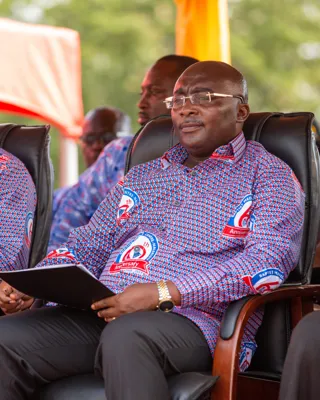
His campaign for the New Patriotic Party's 2023 presidential nomination was the most prominent expression of a long-discussed ambition. He contested against Dr Mahamudu Bawumia, ultimately finishing second. The result showed a level of support within the NPP's delegate structure that surprised commentators who had assumed his controversies would limit his internal party appeal. He was never the favourite to win, but the campaign confirmed that his standing within the party is broader and more durable than his public profile alone would suggest.