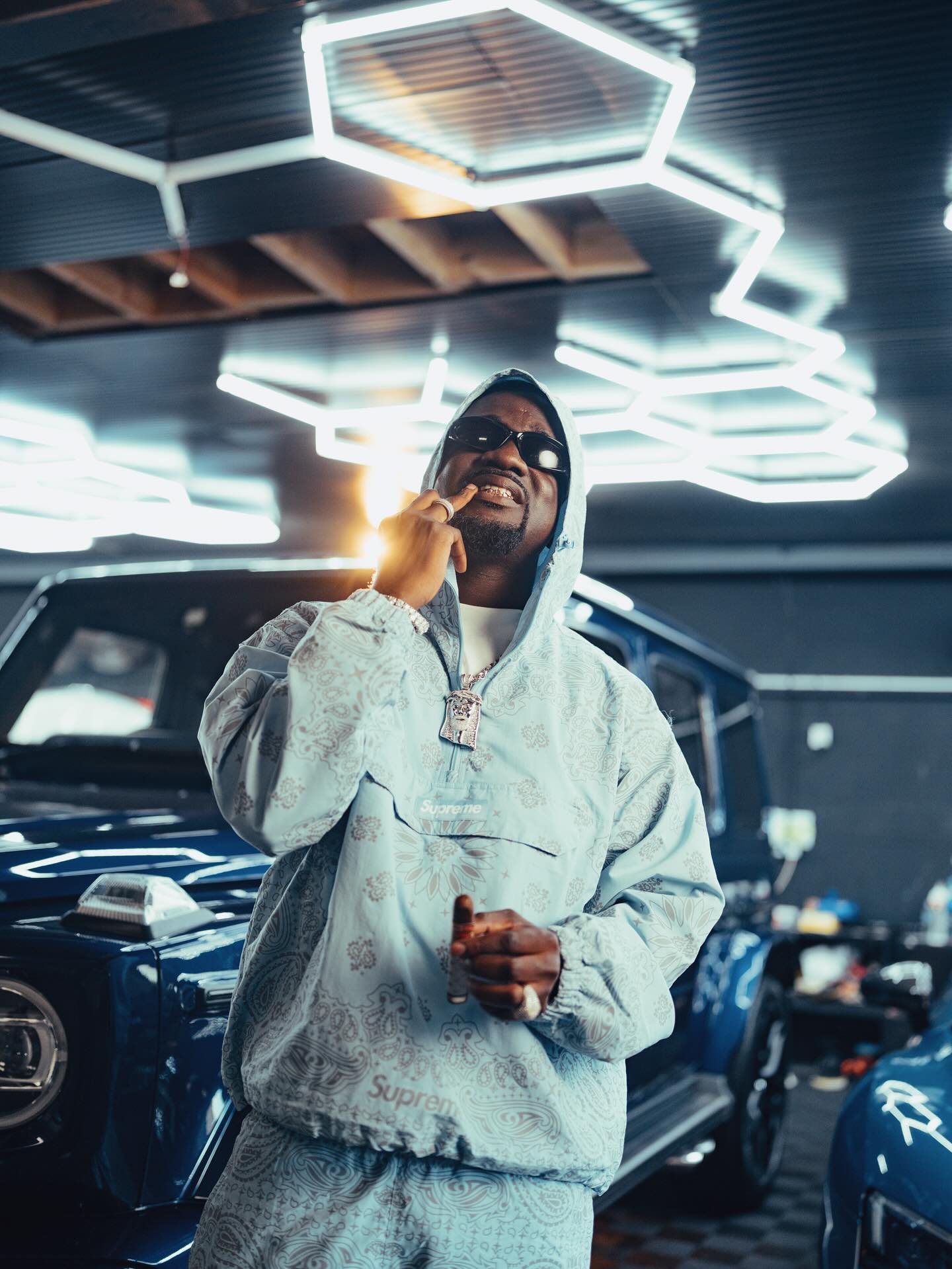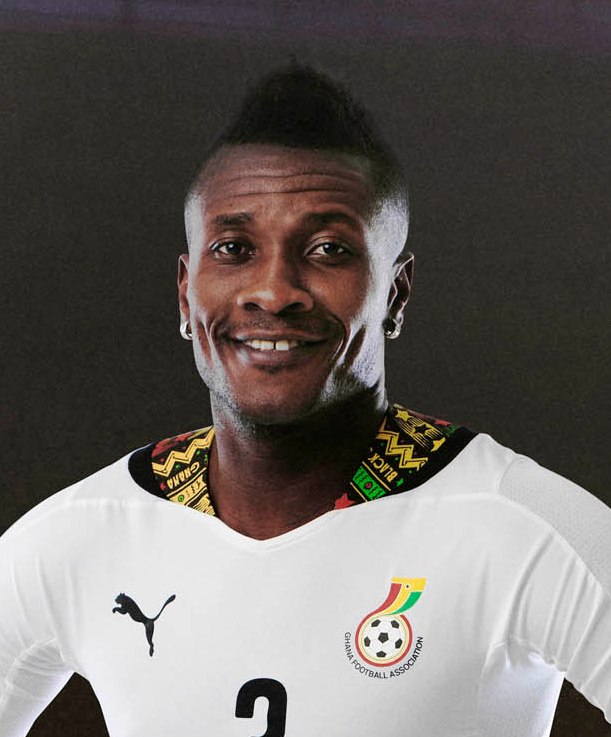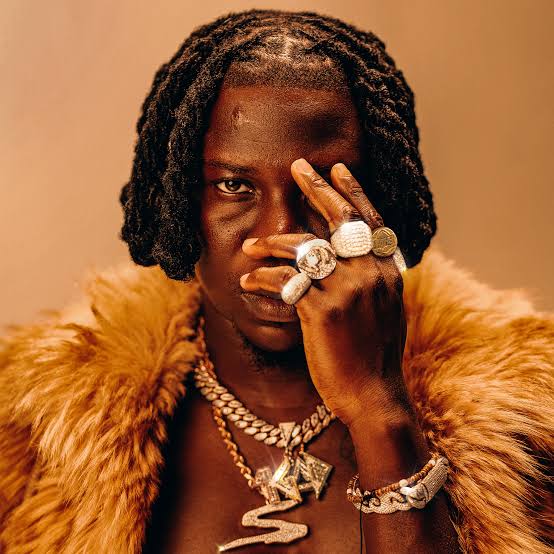
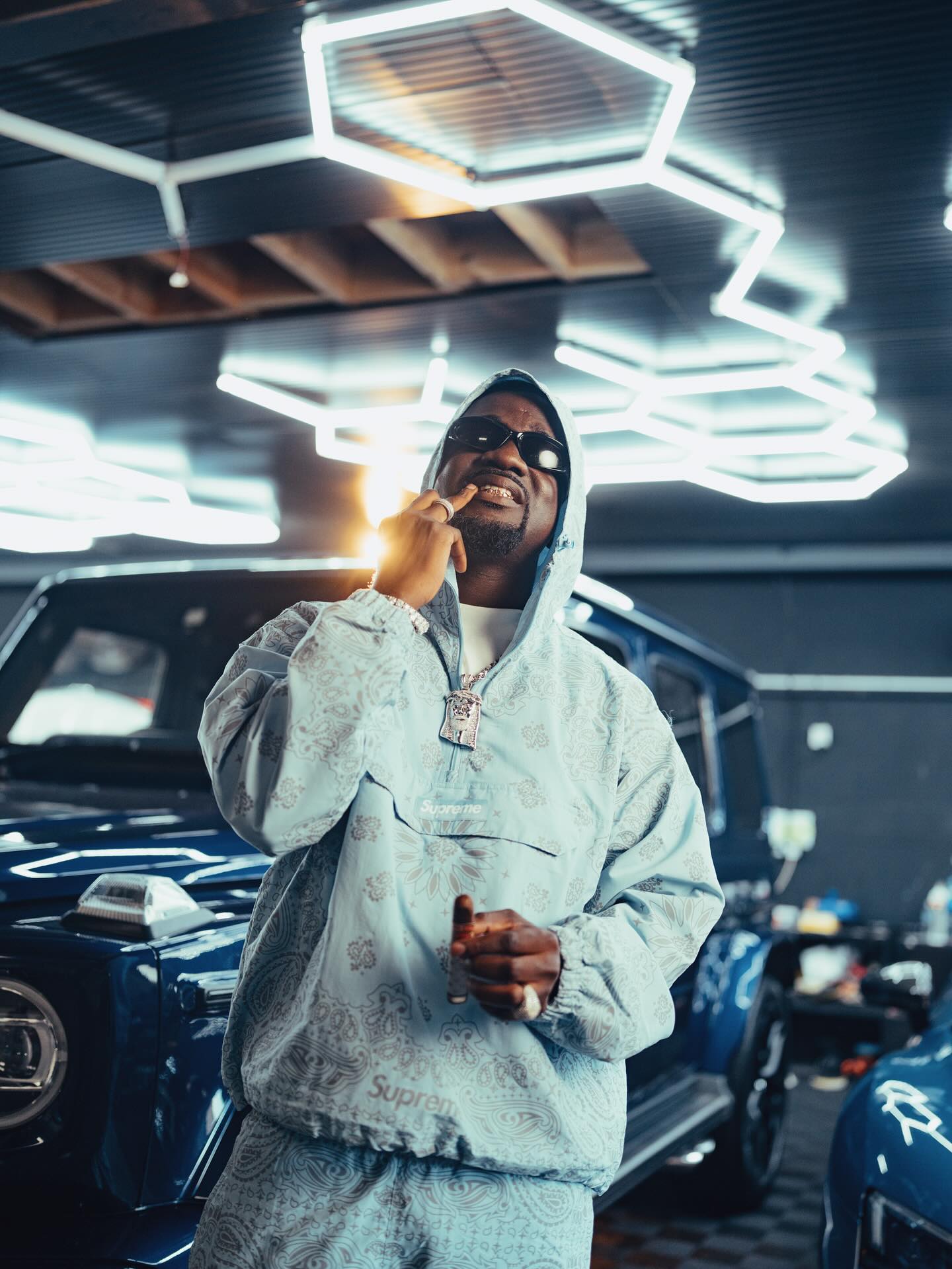
Michael Owusu Addo grew up in Tema, one of Ghana's busiest port cities, in a household where music played constantly. He was not the kind of teenager who announced himself loudly. The announcement came through a freestyle that reached Hammer of The Last Two, one of the most important producers in Ghanaian hip-hop history. Hammer heard something in the young man's delivery worth developing. That single exchange set in motion a career that has since become the most decorated in the history of Ghanaian rap.
Makye and the beginning
His debut album Makye arrived in 2009 and introduced a voice that felt like it had already been in the music for years: technically exact, comfortable moving between Twi and English in ways that felt like expression rather than code-switching. Sarkodie was not the first Ghanaian rapper to use local language, but he was the first to make it feel completely natural at the highest production level. The album built quickly from a debut into a conversation, and the conversation has not stopped since.
The MOBO and the international turn
In 2012, Sarkodie won the MOBO Award for Best African Act, placing him in company that included some of the biggest names on the continent. The recognition came during a run of prolific output that continued through BitterSweet, Rapperholic, Highest and a string of albums and mixtapes that sustained a quality most artists do not reach once, let alone repeatedly. His annual Rapperholic concert became the benchmark event for Ghanaian hip-hop: the stadium show that other artists measure their own concerts against.
Records and the standard he set
By any measure, Sarkodie holds more Ghana Music Awards than any other rapper in the country's history. The individual trophies accumulate, but the more significant achievement is the durability: across more than fifteen years of active recording and touring, the standard of his output has not fallen in the way that careers at the commercial peak usually do. He remained relevant not by chasing trends but by refining a style that was already distinctive when he started. He married Tracy Sarkcess in 2018, and the couple have a daughter. The family life is part of the story. The records are a larger part. Ghana produced a rapper who belongs in the conversation about the best to ever do it on the continent, and he is still working.