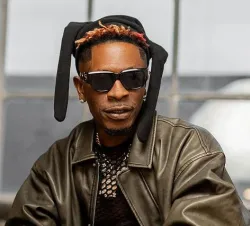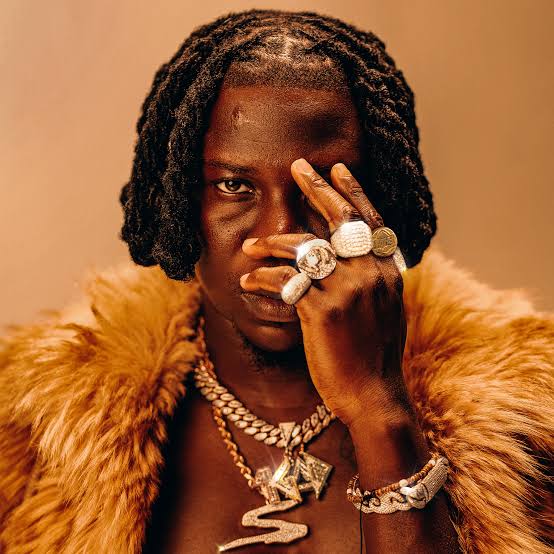

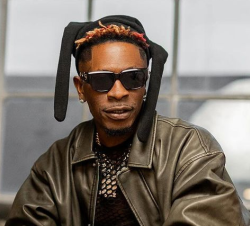
In the early 2000s, a teenage performer from Accra recorded music under the name Bandana. The records drew some play, but the trajectory felt uncertain. What happened next is one of the more dramatic reinventions in Ghanaian music history: Charles Nii Armah Mensah Jr. shelved the Bandana persona, spent time repositioning, and returned around 2013 as Shatta Wale with a song and a stage presence that neither Ghanaian dancehall nor Ghanaian pop had produced before.
Dancehall King and the takeover
'Dancehall King' did not simply introduce a new name. It announced an entirely different scale of ambition. The production was bigger, the delivery was louder, and the statement it made about what Ghanaian music could be was unmistakable to anyone paying attention. Within two years of the rebrand, Shatta Wale was filling venues that few Ghanaian acts had filled before and winning Ghana Music Awards at a rate that positioned him at the very top of the industry. He built it without the advantage of an established label network or inherited profile.
Beyonce and 'Already'
In 2019, Shatta Wale appeared alongside Beyonce and Major Lazer on 'Already,' a track from The Lion King: The Gift, the album Beyonce curated as a celebration of African music and artists. The placement confirmed what his domestic numbers had already indicated: the audience for what he was doing extended well beyond Ghana. A Ghanaian dancehall artist appearing on a project of that global scale was something the industry had not seen before. It was a placement earned by the kind of momentum that cannot be manufactured from a studio alone.
SM Militia and the long career
His SM Militia fanbase is one of the most organised and vocal in West African music. In a streaming era where passive listening is the norm, having an active audience that mobilises around releases and events is a structural advantage. That relationship has helped sustain a career through controversies that would have ended many others. He is one of the few Ghanaian artists whose career decisions generate sustained public discussion. The personality is part of the product. The product has been consistent enough across more than a decade to settle any argument about his place in Ghanaian music: he is one of its biggest names, and he got there entirely on his own terms.