
In the summer of 2010, South Africa hosted the World Cup and Ghana arrived as a country that had attended only once before. The 2006 debut in Germany had ended in the round of 16, a creditable result for a first appearance. The 2010 campaign was different in scale and in what it meant. This time Ghana came with belief, a cohesive squad, and the weight of a continent watching. What they produced in Rustenburg and Johannesburg over three weeks changed how African football understood itself.
Through the group stage
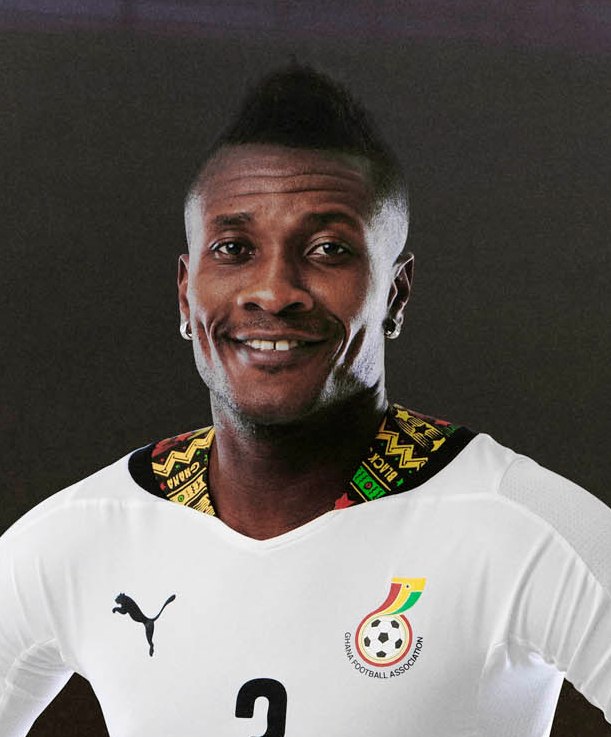
Ghana progressed through the group stage with composure, demonstrating a tactical organisation that spoke to the quality of preparation rather than just individual ability. Asamoah Gyan was the attacking focal point, the striker who had been carrying Ghana's goalscoring responsibility for several years. The absence of Michael Essien through injury was a significant blow to the squad's midfield quality, but the team adjusted without collapsing.
Beating the USA in the round of 16
The round of 16 against the United States produced one of the tournament's most celebrated African results. Ghana won 2-1 in extra time, with Gyan scoring the decisive goal. The result put Ghana into the quarter-finals and set up a fixture with Uruguay that drew the attention of the global football audience in a way that African football had rarely commanded before. The weight of the occasion, the first African quarter-final at a World Cup hosted on the continent, was felt before the match began.
The Uruguay quarter-final
Sulley Muntari scored for Ghana with a long-range effort in the first half. Diego Forlan equalised for Uruguay with a free kick. The match went to extra time at 1-1. In the final seconds, Ghana had a shot that Luis Suarez blocked with his hand on the goal line. Suarez was sent off. A penalty, converted, and Ghana would be in the semi-finals. Asamoah Gyan stepped up and struck the crossbar. Ghana lost 4-2 on penalties. The reaction across Africa was the kind of collective grief that attaches itself to sport when sport is carrying more than a game.
What the 2010 run produced
Ghana did not win in South Africa. They came close enough to change what felt possible. The 2010 campaign demonstrated that an African team could compete with the best in the world across a knockout tournament and come within seconds of the final four. The crossbar and the penalties are part of the record. So is the run that got them there: a squad-wide effort that carried the weight of a continent and very nearly delivered on it.