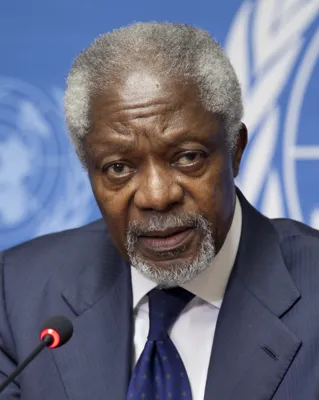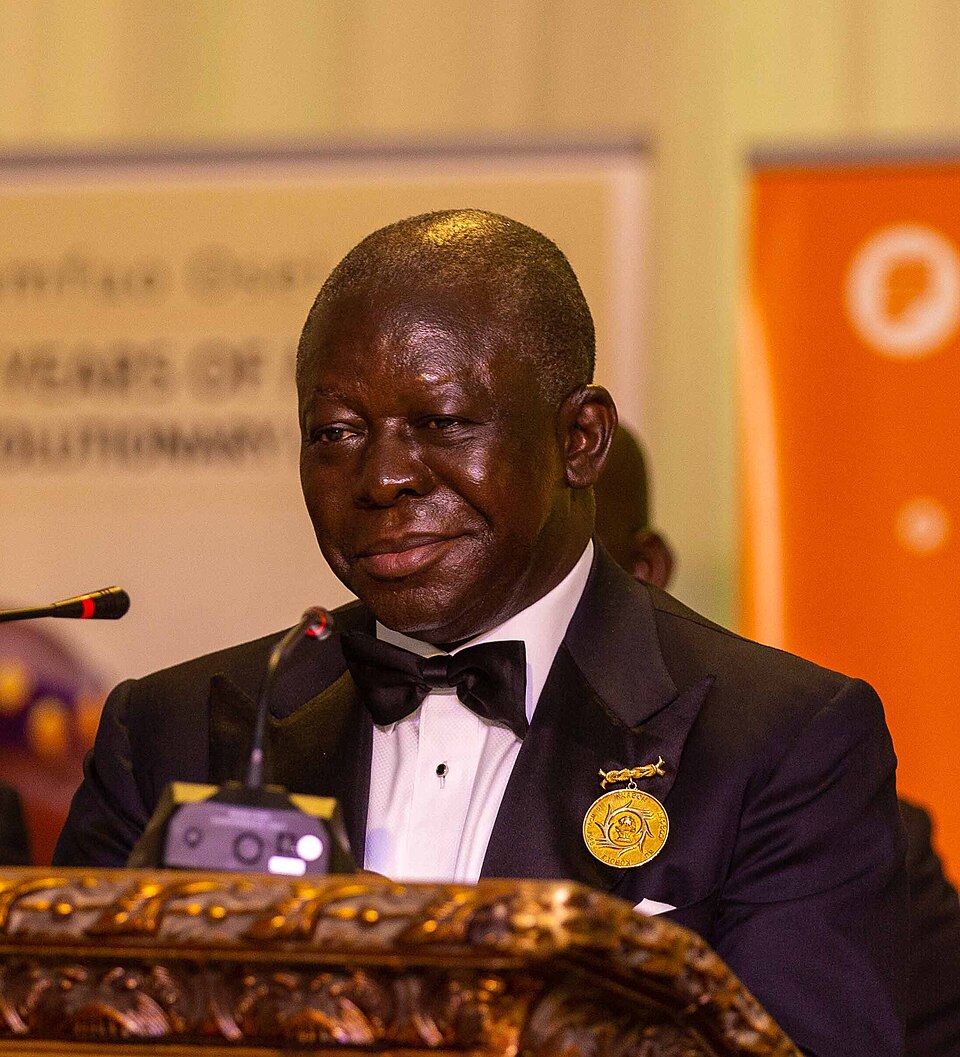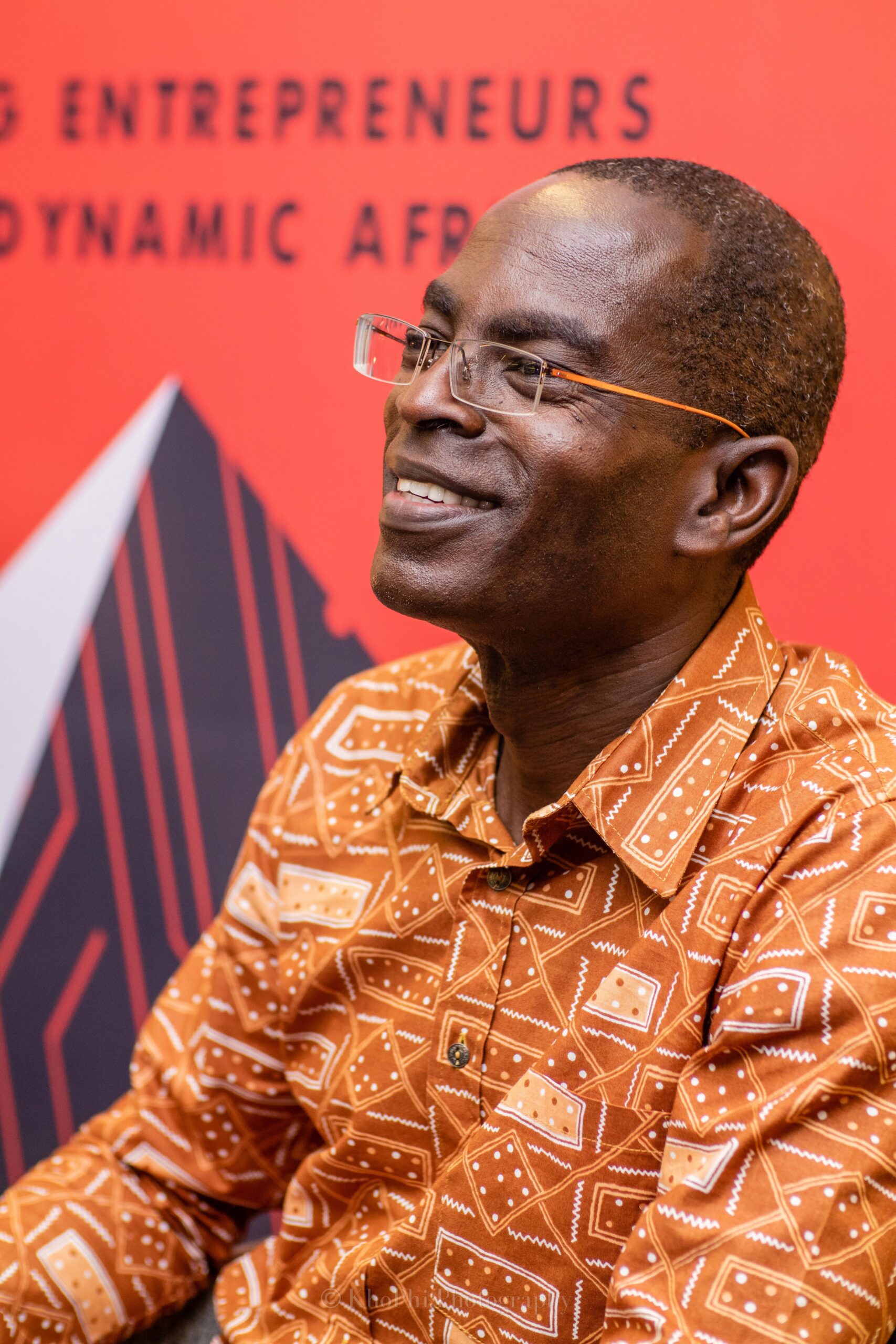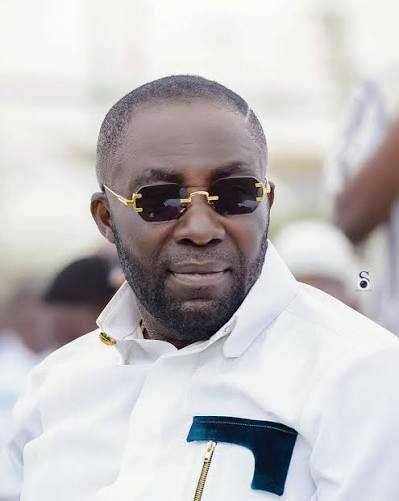

Kofi Annan is the most visible example of a Ghanaian reaching the highest levels of global institutional leadership, but he is not the only one. Ghana has produced a remarkable number of individuals who have played significant roles in international organisations, global business and the institutions that govern the rules-based international order. This is a brief survey of that tradition.
The Annan legacy
Kofi Annan's decade as UN Secretary-General set a standard that will define Ghanaian international leadership for generations. His combination of diplomatic skill, moral clarity and institutional knowledge was rare, and his Nobel Peace Prize acknowledged both his personal contribution and the work of the UN he led. But Annan did not emerge from a vacuum. He was the product of an educational tradition and a governing class that had been preparing Ghanaians for positions of authority since independence in 1957.
The World Bank and global finance
Ghana has produced significant figures in international financial institutions, including individuals who have served at the International Monetary Fund and the World Bank. The country's economics tradition, rooted in strong educational institutions and a political class that engaged seriously with questions of development economics, has produced administrators and economists who have served in positions of real influence within those bodies.
The Commonwealth and multilateral diplomacy
Ghana's role as a founding member of the Non-Aligned Movement, its hosting of the Organisation of African Unity summit in 1965, and its long history of sending able diplomats to multilateral forums have made it a consistently constructive presence in the international organisations it belongs to. Ghanaian ambassadors and permanent representatives have built reputations in New York, Geneva and Brussels as skilled negotiators who punch above the weight of a country whose economy is a fraction of those of the major powers.
The next generation
In 2026, Ghanaians hold significant positions in international organisations across health, finance and development. The tradition that produced Kofi Annan continues to generate individuals with the skills, the English, the education and the cross-cultural fluency that global institutional work requires. Ghana's size has never been the limiting factor. Its ambition has always been proportionate to its contribution.