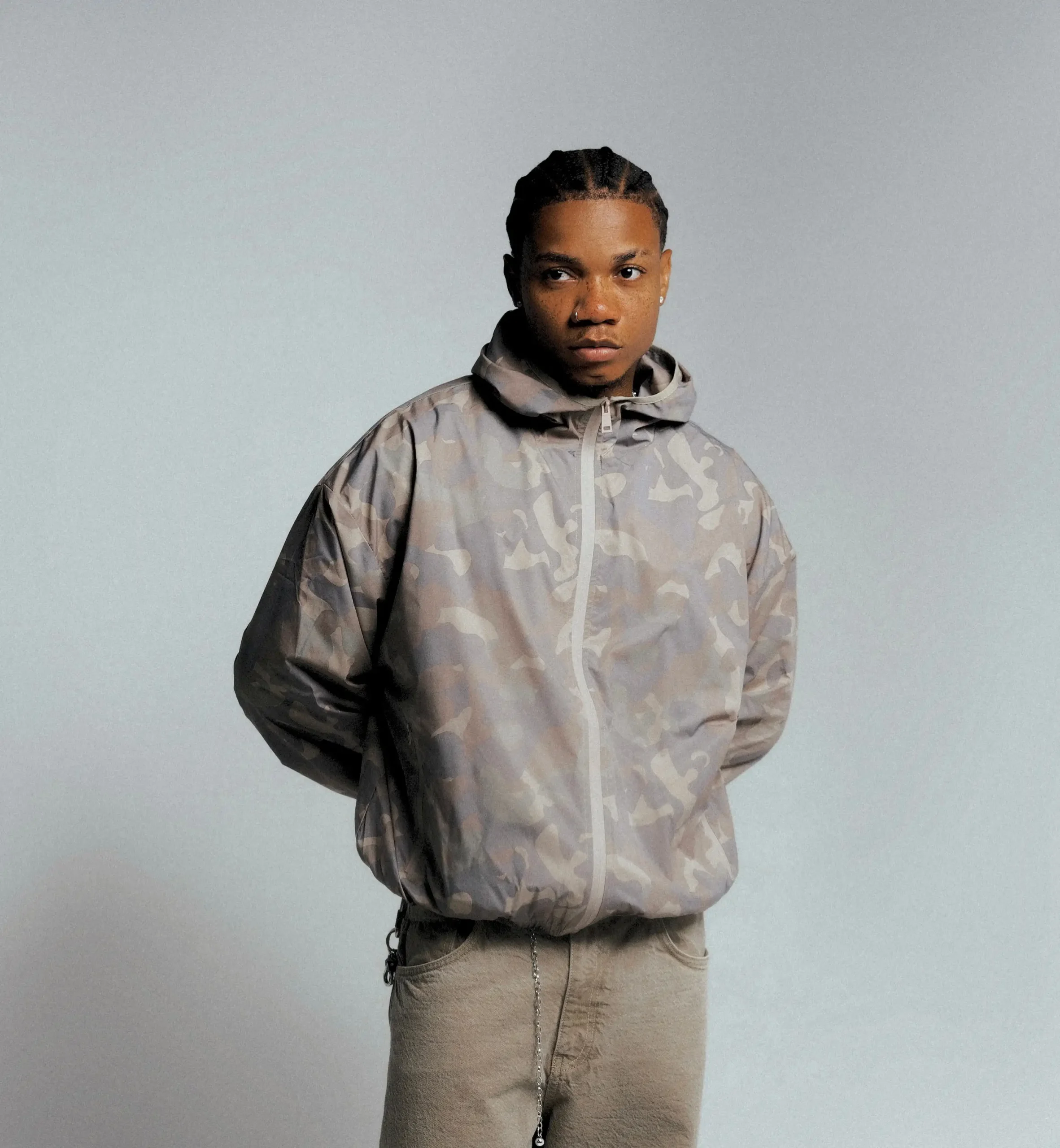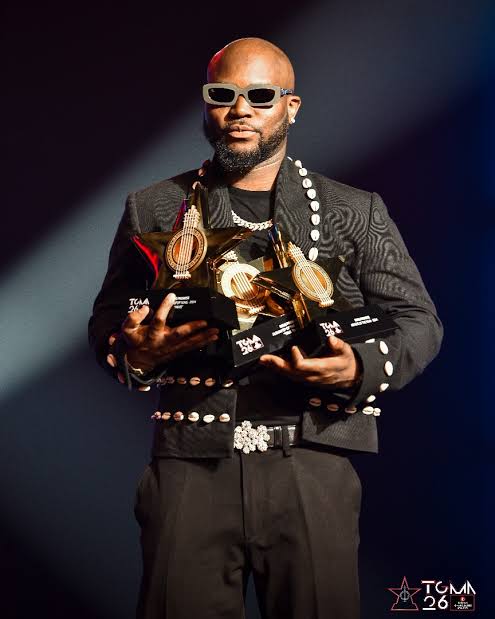
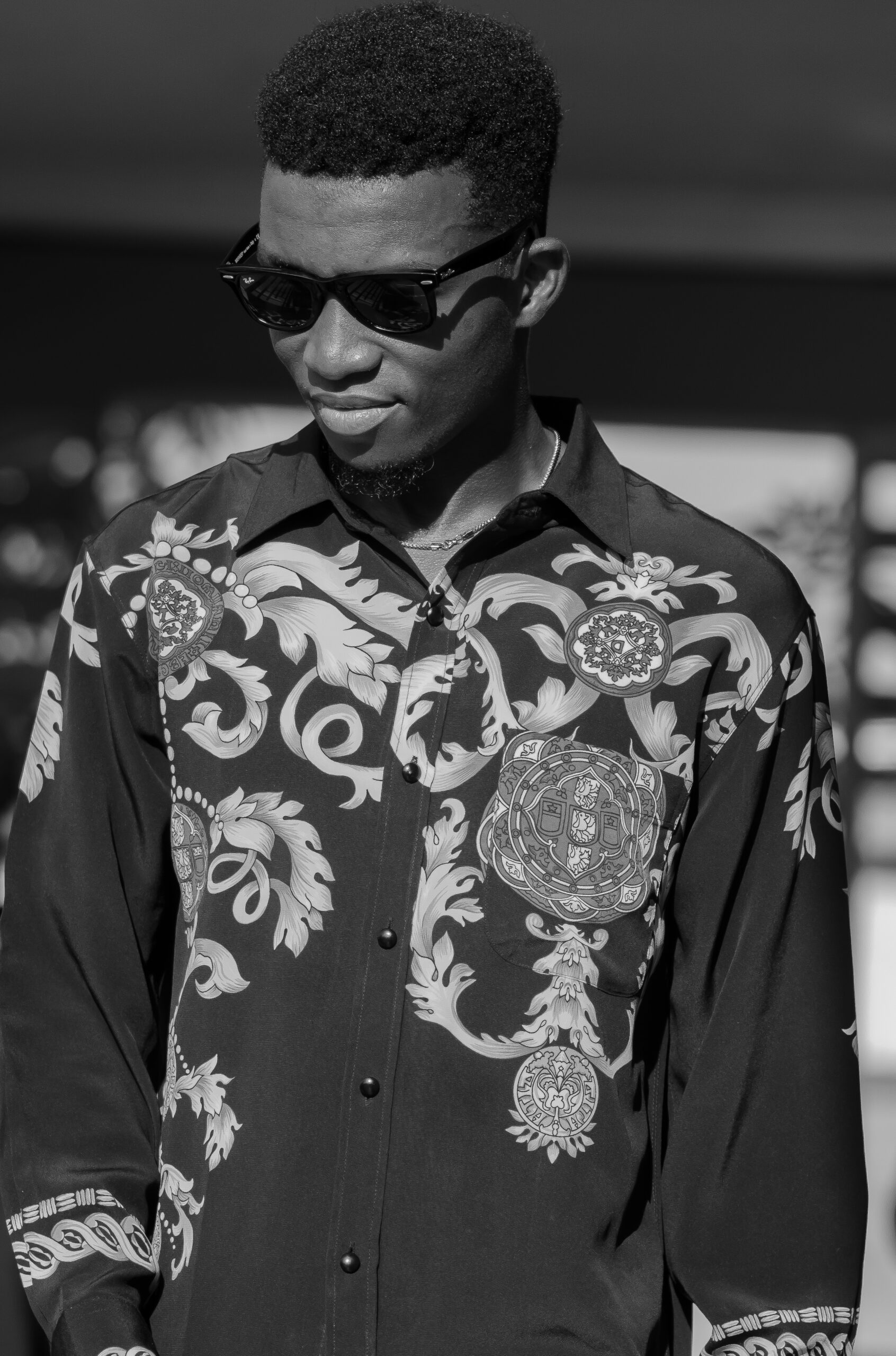
Martin King Arthur was born on 15 April 1990 in Effiakuma, Takoradi. He attended Takoradi Technical Institute and has never tried to be from anywhere else. Everything about the artist known as Kofi Kinaata, from the Fante lyrics to the subject matter to the collaborations he chooses, is grounded in the Western Region city that raised him. That rootedness is not a limitation. It has become the most consistent and recognisable thing about his work.
The Kaschari Battle
In 2009, after finishing secondary school, he entered Melody FM's Kaschari Battle, a radio rap competition in Takoradi. He won. The significance was in how he won: rapping entirely in Fante, using African proverbs and local idioms, on a platform that expected contestants to default to English or Twi. He chose not to, and the audience rewarded him for it. The decision to rap in Fante was not a gimmick. It was an artistic commitment that has held through every record he has released since.
Made in Taadi, Confession, Things Fall Apart
'Made in Taadi' arrived in late 2015 and became an anthem for Takoradi and for anyone from a secondary city who had been told that relevant Ghanaian music only came from Accra or Kumasi. 'Confession' followed in 2016, a track that found its way into political campaign material and football stadiums, which says something about how broadly it landed. 'Things Fall Apart' in 2019 went to number one on iTunes Ghana and trended on Twitter for days. Three songs, three different tones, all rooted in the same place and the same sensibility.
Three consecutive VGMA Songwriter of the Year awards
The VGMA Songwriter of the Year award arrived three years in a row. The recognition is specific: not best performer, not best song, but best songwriter. He writes the way someone who has spent years with Fante proverbs would write, with attention to what words mean rather than just how they sound. The craft required to win three consecutive songwriter awards is different from the craft required to produce radio hits. Kinaata has demonstrated both at the same time.
His nickname is the Fante Rap God. It is not wrong, but it undersells what he is. He is not just a rapper who happens to use Fante. He is a craftsman who chose Fante because it was the right tool for the stories he wanted to tell, and the results have been heard well beyond Takoradi, well beyond Ghana.