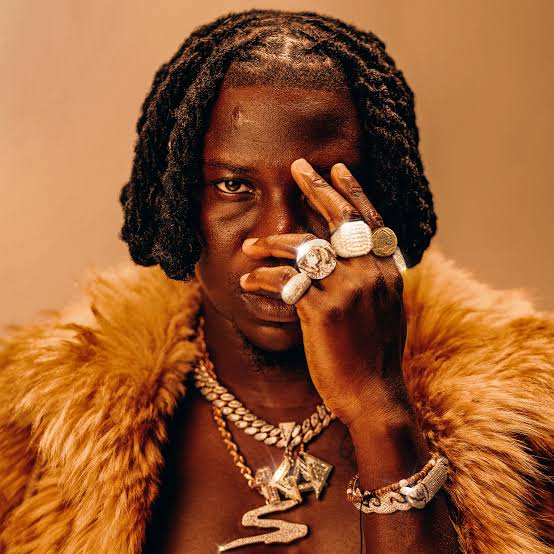

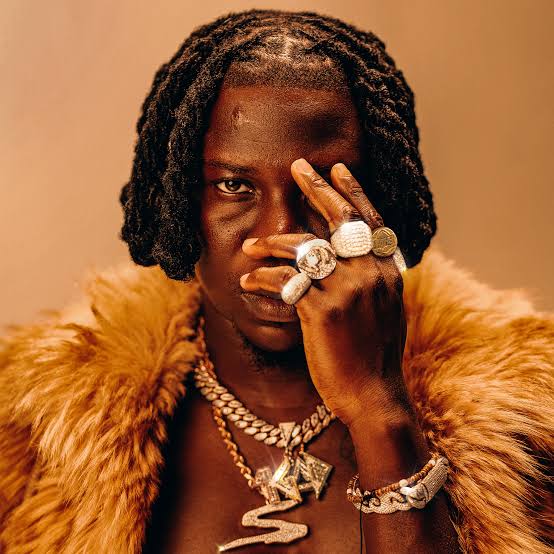
Livingstone Etse Satekla grew up in Ashaiman, one of the densely populated townships east of Accra, in a part of Ghana where music was everywhere but resources were limited. He turned both realities into material. The music he built as Stonebwoy draws on reggae and dancehall at its foundation, layering Ghanaian highlife and afrobeats elements over a rhythm section that is always disciplined, always deliberate. He did not arrive as a finished product. He arrived with a sound that needed refining and spent the better part of a decade refining it in public.
Apartment 101 and the foundation years
His early work, including the Apartment 101 EP, established him as a serious voice in Ghanaian reggae before the genre had found a stable commercial footing in the country. Sticking to a sound that was not the dominant commercial style of the moment takes a specific kind of confidence. Stonebwoy had it. The BHIM Nation brand he built around himself became not just a music label but a community: an audience that organised around his releases and events with the kind of commitment that most acts take years to develop.
BET Award and the continental breakthrough
In 2015 and 2019, Stonebwoy won the BET Award for Best New International Artist and Best International Flow respectively, placing him in front of a global audience that had previously known Ghanaian music primarily through Azonto and the wave of afrobeats that was crossing into mainstream Western markets. His wins made the case for a strand of Ghanaian music that does not always get the same platform as afrobeats. Dancehall has deep roots in West Africa, and Stonebwoy has been its most visible Ghanaian practitioner for more than a decade.
Anloga Junction and the mature catalogue
Anloga Junction, released in 2020, confirmed what his best previous work had suggested: a musician who had found a way to be distinctly Ghanaian and distinctly global at the same time. The album features collaborations with artists across the continent and beyond, each chosen because the combination produces something neither party would have made alone. That instinct for collaboration without compromise is part of what separates Stonebwoy from artists who globalise by smoothing off what makes them specific. He has kept the Ashaiman in the music, and the music has reached the world because of it, not despite it.