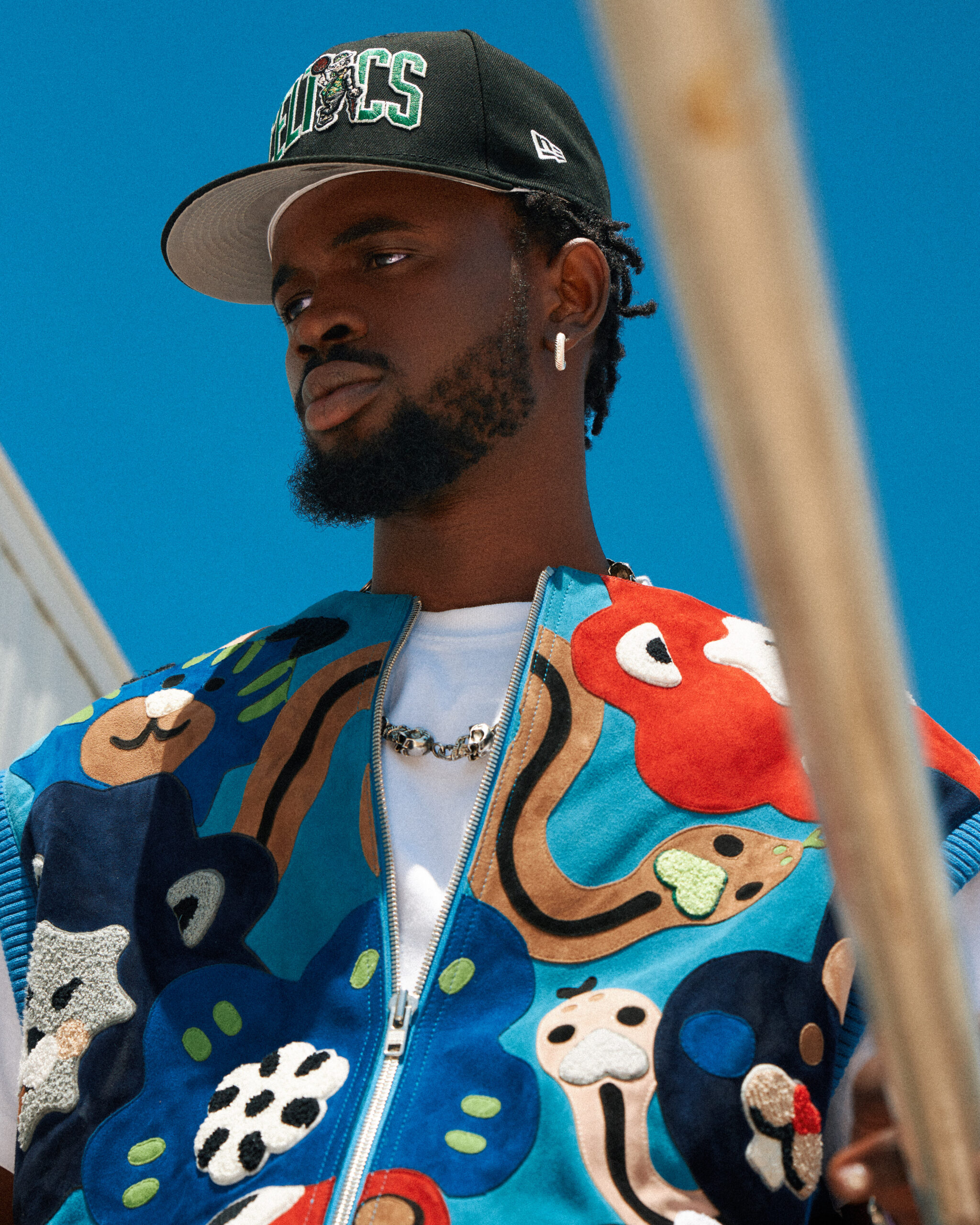

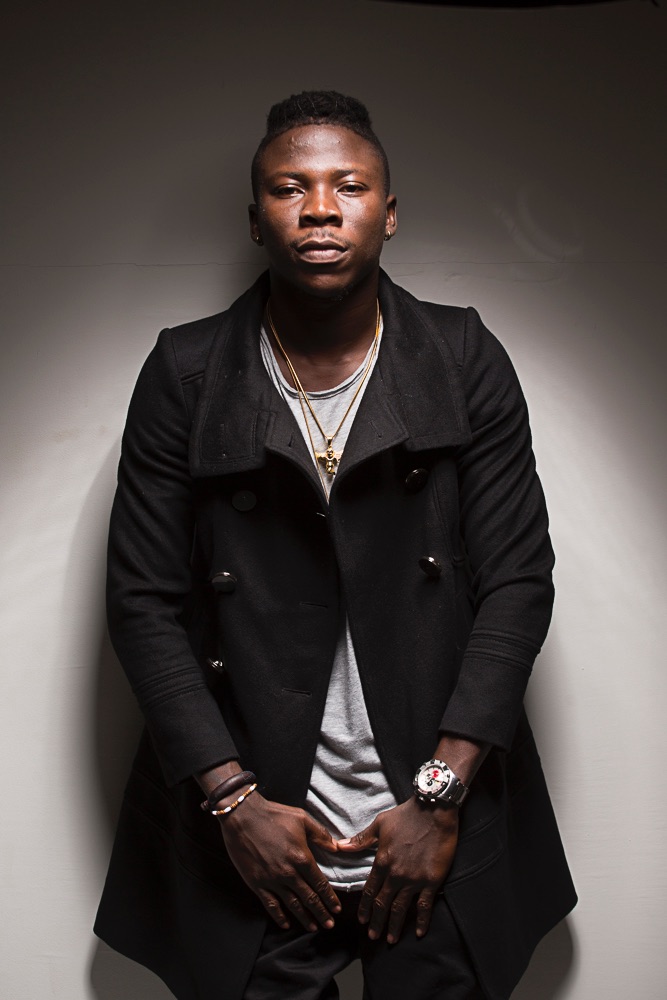
Stonebwoy has spent fifteen years building something that most artists in Ghana cannot claim: a genuinely international career, built on his own terms, in a genre (reggae and dancehall) that has no established Ghanaian commercial infrastructure to ride on. He created the infrastructure. BHIM Nation is a label, a fanbase, a lifestyle brand and a philosophy, all operating simultaneously, all carrying the name of a man born Livingstone Etse Satekla in Ashaiman.
Ashaiman to the world
He was born in 1988 in Ashaiman, a dense, working-class municipality east of Accra that sits alongside Tema. He began performing at school events and local concerts before building enough of a following to attract attention from Lynx Entertainment, the label that also manages KiDi and Kuami Eugene. His early releases fused reggae, dancehall and Afropop into a sound that was identifiably Ghanaian while appealing to audiences who had never been to Ghana.
BET Award and BHIM Nation
The BET Award for Best International Act: Africa in 2015 was the moment that confirmed his status outside Ghana. It was a competitive category and winning it made the argument for his international profile in a way that domestic awards had not quite managed. He won it again in subsequent years. BHIM Nation, the label he built around himself, gave him the infrastructure to develop other artists and expand his brand beyond his own recordings.
The Shatta Wale rivalry
His public rivalry with Shatta Wale, which has included a confrontation at the 2019 Ghana Music Awards that resulted in both artists being temporarily banned from the event, has been one of the defining storylines of Ghanaian music in the past decade. Depending on who you ask, it has either damaged or raised both their profiles. The data on streaming and concert attendance suggests the latter.
Net worth and business
His estimated net worth is $6 million, built on touring revenue, brand partnerships including Pepsodent and Telecel Ghana, BHIM Nation label income and music streaming. He tours internationally in a way that few Ghanaian artists have sustained for as long. His annual "Bhim Concert" in Accra regularly sells out.