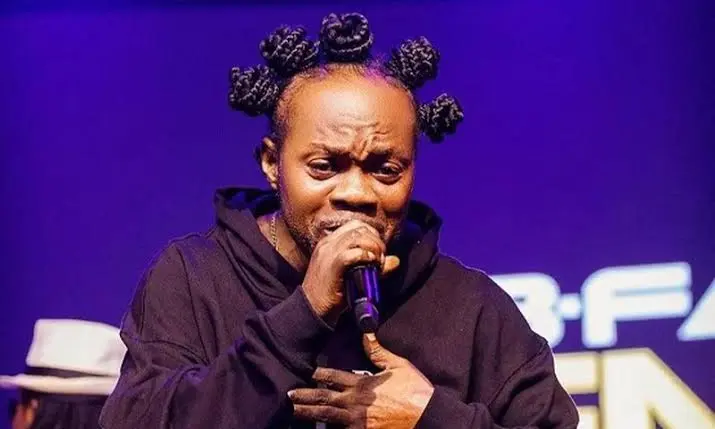
Charles Kwadwo Fosu did not plan to become the defining voice of Ghanaian highlife for four decades. He went to Europe in the 1980s to find his footing as a musician, a path that several Ghanaian artists of his generation took when the domestic industry offered limited infrastructure for recording and touring. What came out of those early years, in partnership with fellow Ghanaian musician Nana Acheampong, was a version of highlife that was modern enough to reach young audiences and rooted enough in tradition to satisfy the genre's core listeners. He came back to Ghana as Daddy Lumba, and Ghanaian music has not been the same since.
Aben Wo Ha and the 1990s dominance
The 1990s belonged to Daddy Lumba in a way that is difficult to overstate without sounding like nostalgia. 'Aben Wo Ha,' 'Odo Pa' and a run of albums that released consistently through the decade kept him at the top of the Ghana Music Awards and at the centre of what highlife meant to a generation of listeners. The songs did not chase trends. They extended what highlife was. His voice, which carries a quality of easy warmth that is immediately recognisable, combined with lyrical storytelling in Twi to produce records that still get played at funerals, weddings and family gatherings across Ghana and in the diaspora.
The Nana Acheampong partnership
His collaboration with Nana Acheampong produced music that felt like two voices completing sentences the other had started. The partnership introduced a model for highlife vocal arrangements that subsequent artists have tried to replicate without quite getting there. Beyond that collaboration, Daddy Lumba worked across generations, lending his voice to productions that ranged from traditional highlife to more contemporary arrangements. The willingness to engage with newer sounds without abandoning the discipline of the form is part of why the career has lasted as long as it has.
What forty years looks like
Very few Ghanaian musicians of any genre have sustained commercial and critical relevance across four decades. Daddy Lumba has. The industry has changed around him multiple times: from the analogue 1980s to the CD era of the 1990s to the streaming landscape that now dominates distribution. Through each transition, his catalogue has gained new listeners rather than losing old ones. That is the measure of a legacy that does not need anniversaries to make its case. It is made every time someone plays 'Aben Wo Ha' at a party and the room recognises it before the second bar.