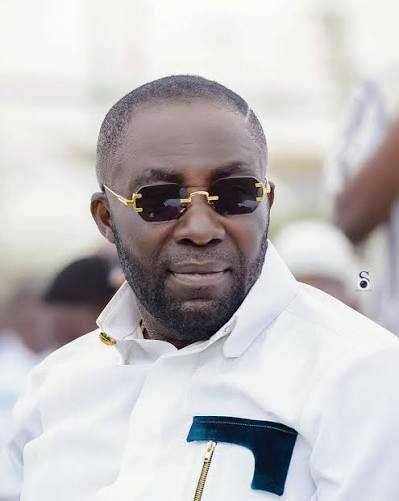

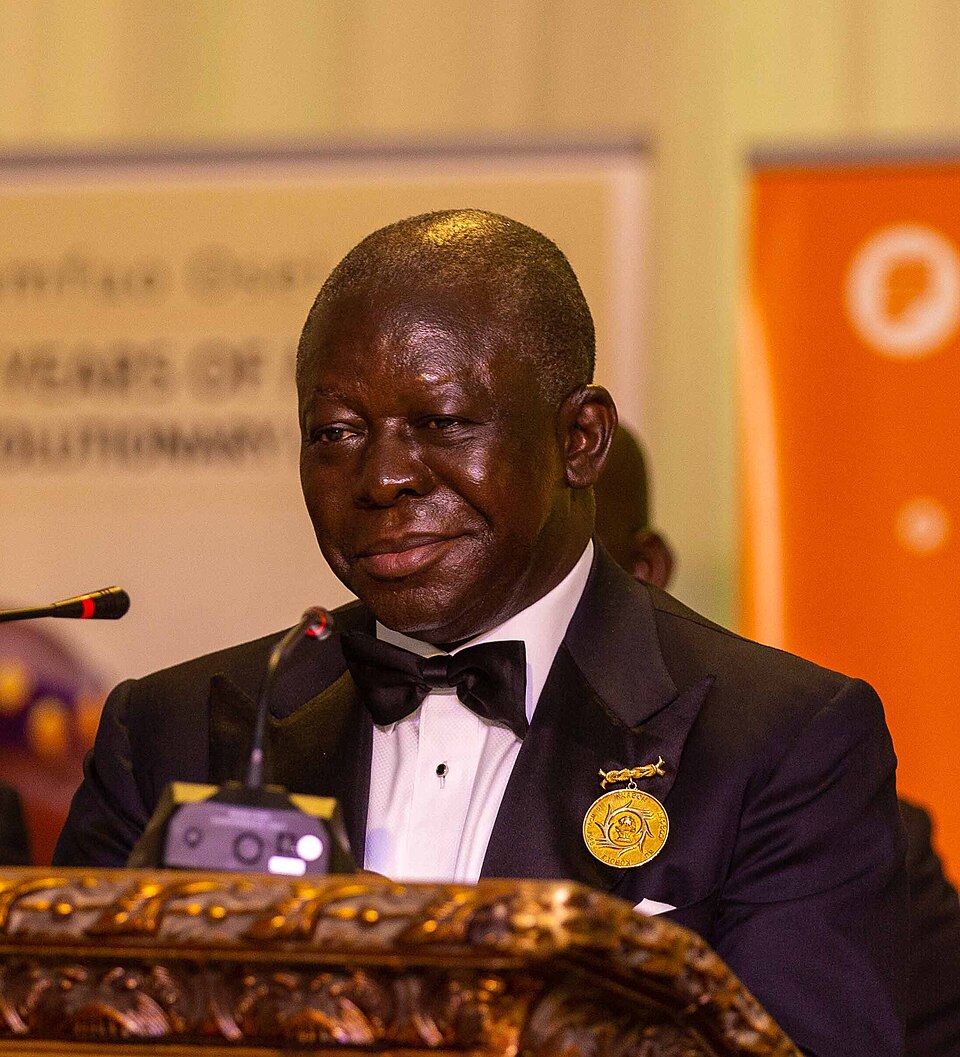
Ghana's traditional rulers are not decorative figures. They are holders of constitutional authority, custodians of land rights, arbiters of local disputes and cultural institutions with a reach into the daily lives of millions of Ghanaians that elected politicians can rarely match. The country's chieftaincy system, rooted in structures that predate the colonial era, has survived independence, military governments and democratic transitions, emerging in the twenty-first century as a pillar of Ghanaian governance that complements rather than competes with the formal state.
The Asantehene
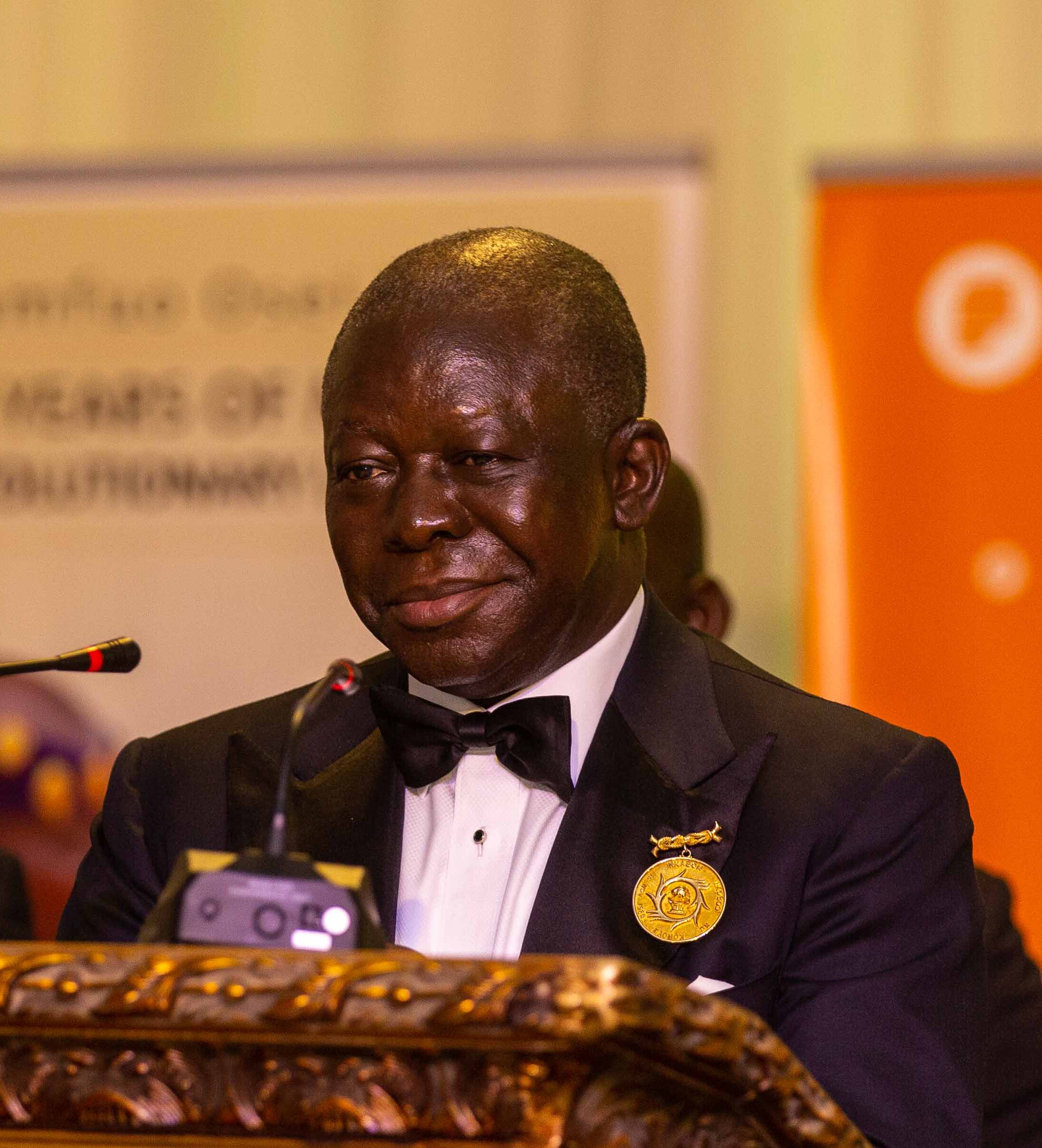
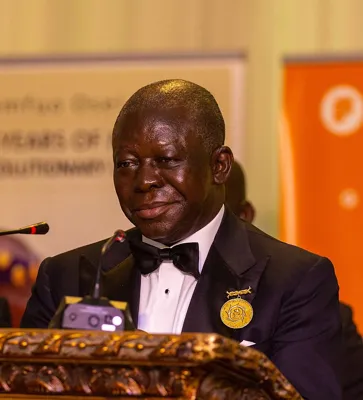
1Otumfuo Osei Tutu II
Otumfuo Osei Tutu II has been Asantehene since 1999 and is the most powerful traditional ruler in Ghana. His authority over the Ashanti Kingdom encompasses land, custom, dispute resolution and cultural diplomacy at a national and international level. His mediation in the 2000 election dispute and his consistent advocacy for education and development have made him a figure whose influence extends well beyond the boundaries of Ashanti. Read full profile →
The Agbogbome of Ho

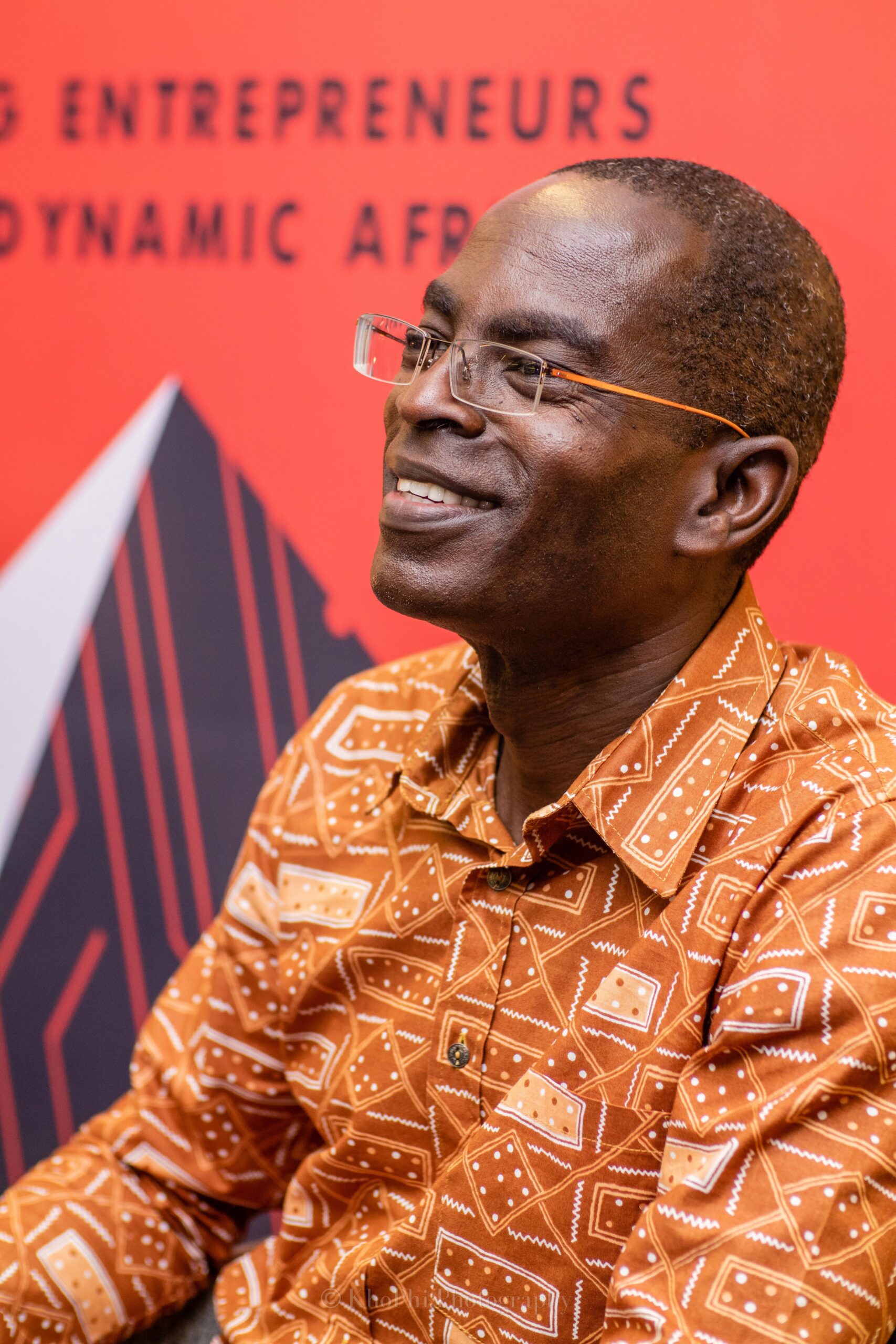
2Togbe Afede XIV
Togbe Afede XIV holds the dual distinction of being one of Ghana's most respected traditional rulers and its most prominent businessman. As Agbogbome of the Asogli State, he brings to his traditional role the strategic intelligence of a man who built the biggest privately owned business group in Ghana. His Asogli State and ADB Bank are both expressions of the same instinct for building institutions. Read full profile →
3Ogyeahoho Yaw Gyebi II
Ogyeahoho Yaw Gyebi II is the Paramount Chief of Sefwi Anhwiaso and a figure whose combination of traditional authority and contemporary business engagement reflects the model of chieftaincy that is building modern institutions from traditional foundations. Read full profile →
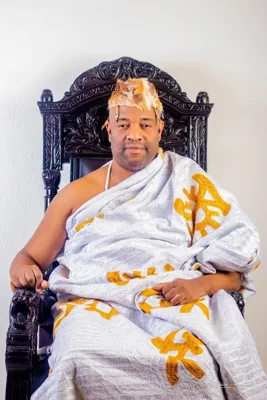
4King Tackie Teiko Tsuru II
King Tackie Teiko Tsuru II is the Ga Mantse, paramount chief of the Ga people of Accra. His authority over the indigenous custodians of the land on which Ghana's capital stands gives him a significance in Ghana's political life that his formal constitutional position understates. Read full profile →
The institution
Ghana's National House of Chiefs provides a formal constitutional role for traditional rulers in national governance, and its counterparts at the regional level deal with land disputes, development questions and the cultural ceremonies that bind communities across the country. The authority of a good chief is earned through service and expressed through the loyalty of the people who turn to the palace when the state is too slow, too far away or too unfamiliar with local realities to help. That combination of constitutional mandate and earned trust is what makes the Ghanaian chieftaincy system one of the more durable political institutions in West Africa.