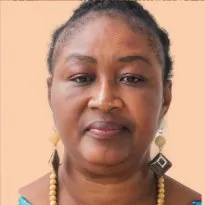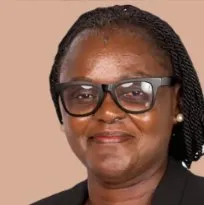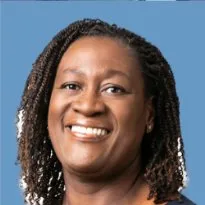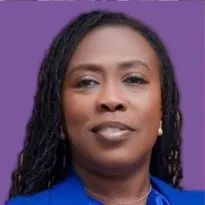
Each year, Avance Media publishes one of Ghana's most-watched corporate governance rankings. The 2026 edition of the Top 100 Ghana Women Board Directors brought the most detailed picture yet of where women sit in the governance structures of Ghana's leading public companies, state institutions, and major private enterprises. The findings confirmed progress, identified gaps, and named 100 women whose board work is shaping how Ghana's most consequential institutions are run.
What the 2026 ranking found
Women now occupy nearly 26 percent of board seats across the 100 organisations examined, a significant increase from 17.7 percent in 2023. The number of women serving as board chairs rose from 10 to 19. Both figures point in the same direction: Ghanaian women are entering the highest levels of corporate governance in greater numbers, and a growing share of them are occupying not just member seats but the most senior governance position on each board.
Of the 100 women recognised, 71 were new to the ranking in 2026, reflecting the depth of new talent entering board governance as Ghana's pool of executive-ready women continues to broaden. The ranking drew from banks, insurance companies, energy firms, regulatory bodies, listed companies, and state-owned enterprises, covering the institutional breadth of Ghana's formal economy.
Women dominating banking governance
The most striking concentration of recognised women was in Ghana's banking sector, where the regulatory minimum capital requirements of 2018 and 2019 and subsequent consolidation pushed boards toward governance reforms that created openings for new directors. Across commercial banks including Stanbic, Access Bank, Cal Bank, Ecobank, First Atlantic, Absa, FirstBank, OmniBSIC, Societe Generale, FNB Ghana, and Republic Bank, women board directors are now a consistent feature of governance structures that were once almost exclusively male.
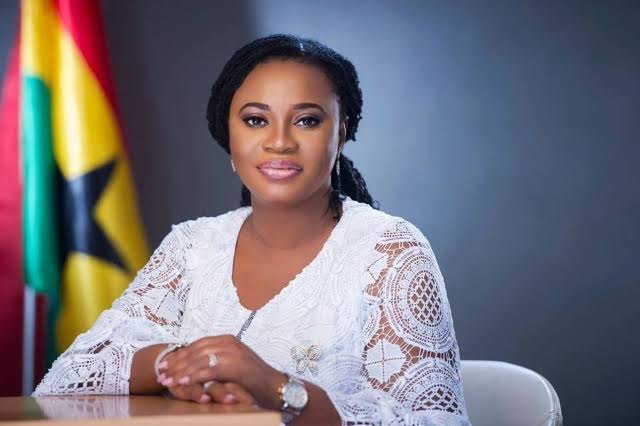
Charlotte Osei
$500,000 estimated net worth
Former Chairperson of the Electoral Commission of Ghana and one of the country's most prominent legal and governance figures. Now on the board of Stanbic Bank Ghana, she brings a record of leadership at the highest levels of public institutional governance. Full profile →

Mansa Nettey
$3 million estimated net worth
Former Managing Director of Standard Chartered Bank Ghana and one of Ghana's most accomplished banking chief executives. Now a board director at Zen Petroleum, she carries the distinction of having led one of the country's oldest international banks. Full profile →
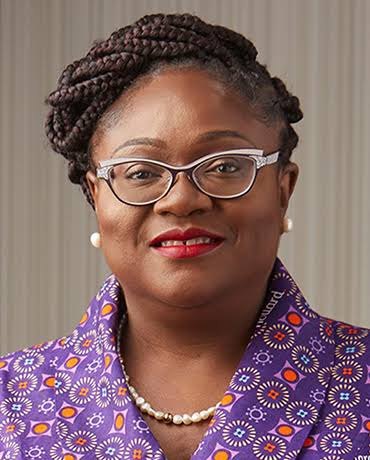
Patience Akyianu
$3 million estimated net worth
Former CEO of Absa Bank Ghana, she led the institution through the landmark rebrand from Barclays and built a record of corporate leadership that places her among Ghana's most senior banking executives. Full profile →
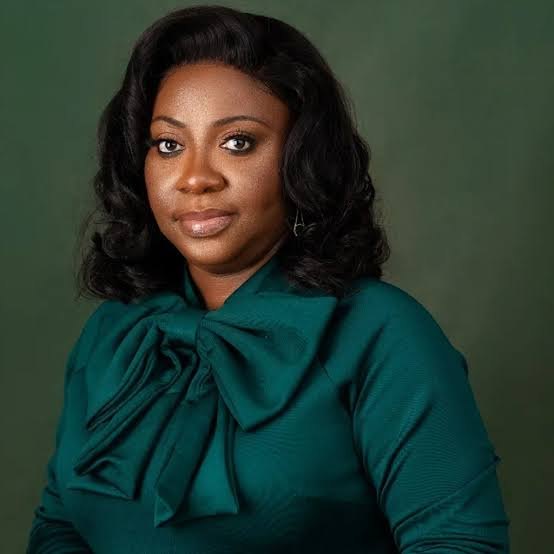
Patricia Obo-Nai
$3 million estimated net worth
Former CEO of Vodafone Ghana and an electrical engineer by training, her board role at Absa Bank Ghana combines telecoms operational experience with financial sector governance at a major international institution. Full profile →
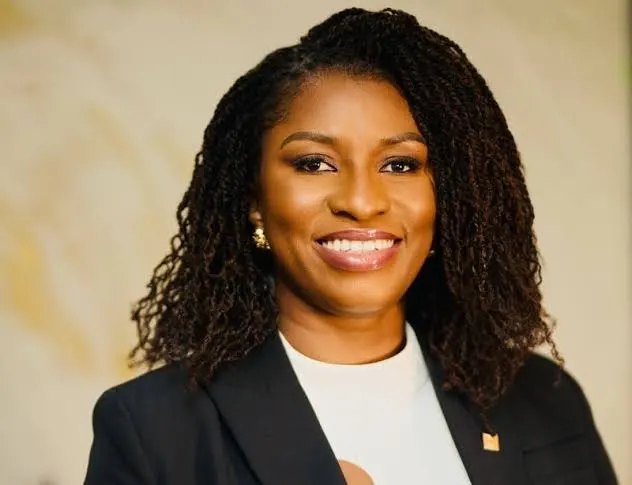
Pearl Nkrumah
$1 million estimated net worth
Board Chair of the Ghana Stock Exchange, she occupies the highest governance position at the institution that anchors Ghana's capital markets, with responsibility for oversight of an exchange whose depth and liquidity are fundamental to how Ghanaian companies access public capital. Full profile →
The tech and digital voices
Technology and digital expertise featured prominently among the 2026 cohort. Ghana's corporate boards have increasingly recognised that digital transformation is not a future consideration but a present governance requirement, and women with technology backgrounds were among the most distinctive additions to the list.
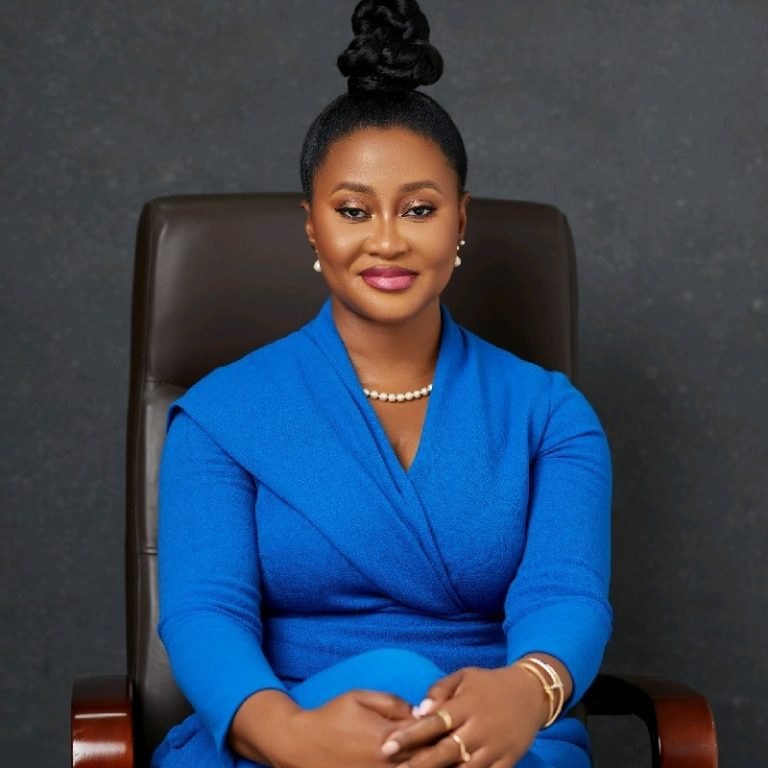
Angela Kyerematen-Jimoh
IBM Africa Chair and one of the most senior Ghanaian women in global technology. Her board and executive presence spans the continent's largest technology partnership relationships. Read full profile →
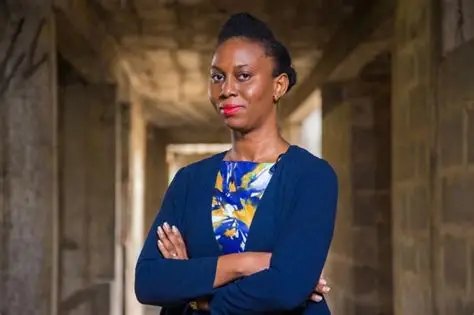
Ethel Cofie
Founder of EDEL Technology Consulting and one of Ghana's most recognised women in technology entrepreneurship, with an active social media presence that extends her voice well beyond the boardroom. Read full profile →
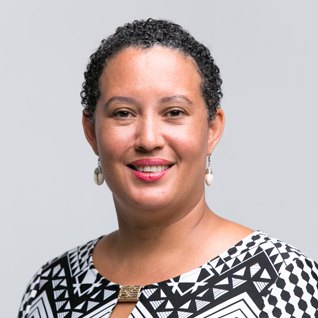
Estelle Akofio-Sowah
Senior Vice President at Google for Sub-Saharan Africa. Her board presence in Ghana connects Silicon Valley-level tech governance back to her home country's institutional landscape. Read full profile →
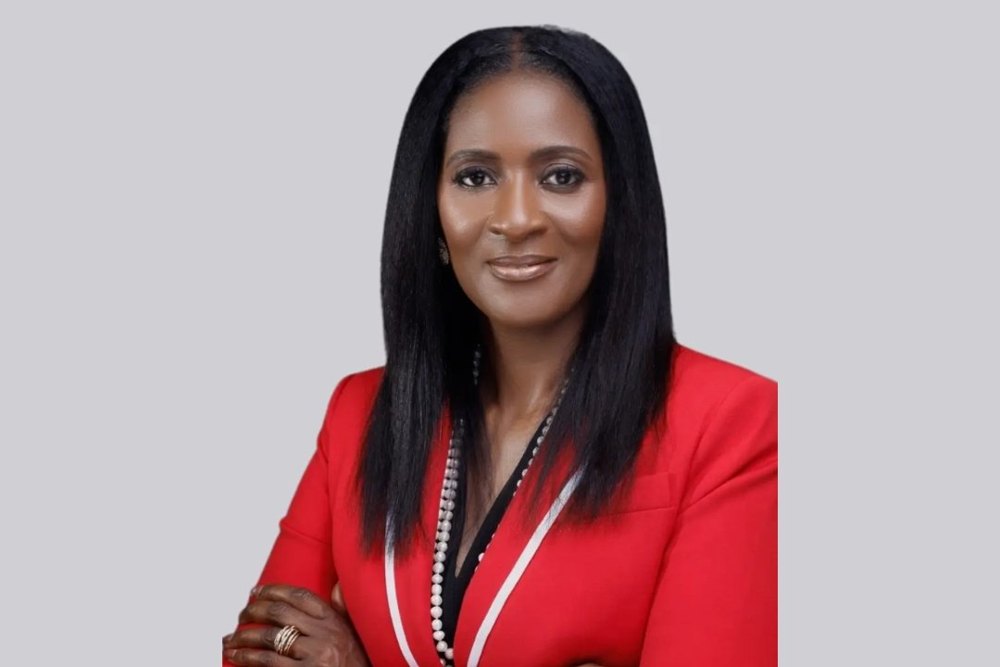
Linda Quaynor
President of Cisco for West Africa. Her position as the head of one of the world's largest networking companies' regional operations gives her a governance profile that few in Ghana can match for pure technology depth. Read full profile →
State institutions and public sector governance
The ranking did not limit itself to private sector boards. Regulatory bodies, state-owned enterprises, and public institutions were included, reflecting the reality that some of Ghana's most consequential governance happens outside the corporate sector entirely. The Social Security and National Insurance Trust, the National Petroleum Authority, the Volta River Authority, the Ghana Post Company, the Minerals Income Investment Fund, and the Environmental Protection Authority all appeared in the ranking's scope, with women board directors whose governance contributions carry public accountability that private sector roles rarely match.
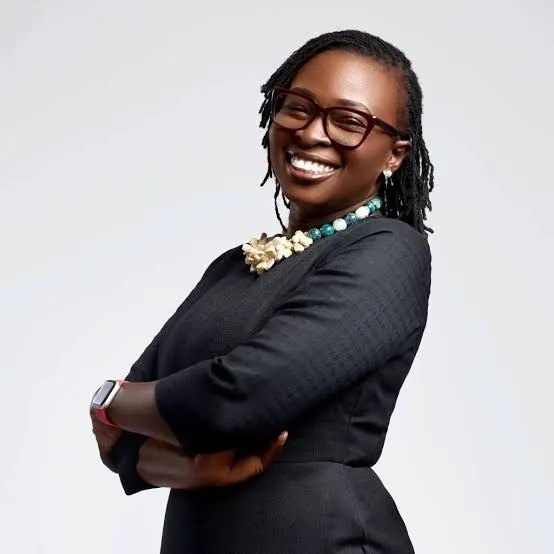
Petra Aba Asamoah
Board Chair of Ghana Post Company Limited, she leads the governance of an institution working to transform its legacy postal infrastructure into a relevant logistics and digital services business. Read full profile →
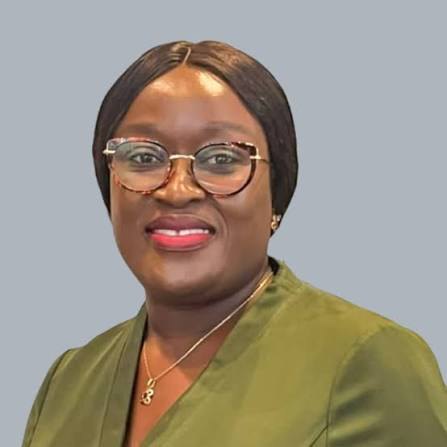
Yaa Asantewaa Asante
Board director at the Minerals Income Investment Fund, contributing to governance of the institution mandated to manage Ghana's mineral revenue equity stakes and royalty streams for long-term national benefit. Read full profile →
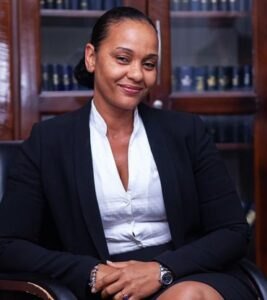
Sanja Anita Morrison
Board director at the National Petroleum Authority, contributing to oversight of the institution that regulates Ghana's downstream petroleum sector, including fuel pricing, import licensing, and product quality standards. Read full profile →
Women who hold multiple board seats
Several of the 100 recognised women hold board positions at more than one institution, a pattern that reflects both the depth of their governance expertise and the extent to which a relatively small pool of highly qualified women is being called on to serve across multiple boards simultaneously. Rosie Ebe-Arthur chairs FirstBank Ghana while also sitting on the MTN Ghana board. Setutsi Goka Ivowi holds board positions at both Unilever Ghana and Enterprise Trustees. Suweibatu Adam serves on both the Environmental Protection Authority and the Ghana Tourism Authority. These multi-board profiles underscore the breadth of governance engagement that the ranking's most active participants bring to Ghana's institutional governance ecosystem.
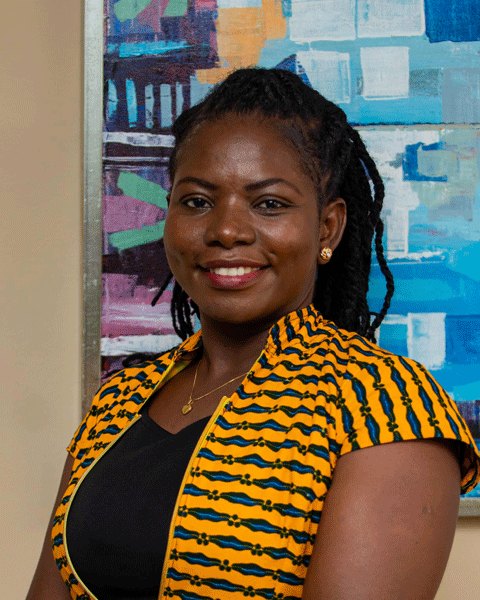
Rosie Ebe-Arthur
Board Chair of FirstBank Ghana and non-executive director at MTN Ghana. Her dual board presence spans banking and telecommunications, two sectors whose convergence through mobile money makes her combined governance experience particularly relevant. Read full profile →
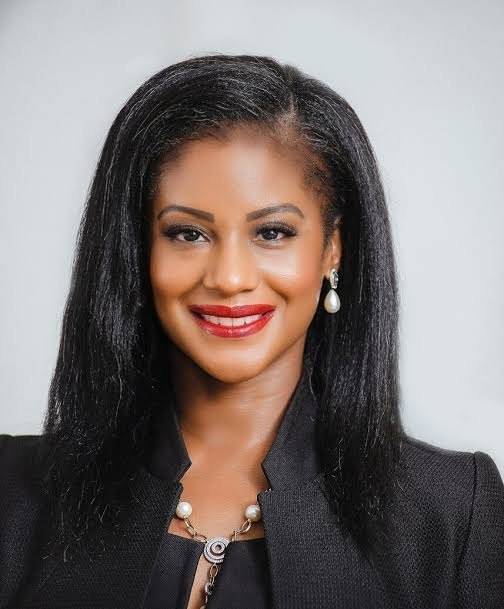
Setutsi Goka Ivowi
Board director at both Unilever Ghana PLC and Enterprise Trustees, bringing governance engagement that spans consumer goods and pension fund management. Read full profile →
What the ranking means for Ghana's governance trajectory
Ghana has made measurable progress on board gender diversity, but 26 percent female board representation is still far below parity, and the concentration of women in member rather than chair roles means that the most decisive governance positions are still held predominantly by men. The 2026 ranking's finding that 19 of the 100 organisations reviewed now have women in the chair position is genuinely significant as a directional indicator, but it also means that 81 of those organisations still do not.
The quality argument for board gender diversity has become well established in governance research: boards with diverse compositions make better decisions, engage with a wider range of risks and opportunities, and are less susceptible to groupthink than homogeneous ones. Ghana's leading institutions that are still running all-male or predominantly male boards are, in this light, not just failing on equity grounds; they are accepting a governance quality deficit that has a real cost to institutional performance.
The 100 women named in the 2026 Avance Media ranking are not waiting for that argument to be accepted universally. They are doing the governance work, sitting on the boards, asking the questions, challenging the management accounts, and contributing to decisions that shape how Ghana's most important institutions are run. Their profiles are on Agyedin.
Full profiles on Agyedin
All 100 women recognised in the 2026 Avance Media Top 100 Ghana Women Board Directors ranking have full profiles on Agyedin, with career biographies, board roles, and background detail. Browse them below or search by name.