
Ghana's banking sector is where the 2026 Avance Media Top 100 Women Board Directors ranking has the most concentration of recognised women. From the Ghana Stock Exchange to Stanbic Bank, Access Bank, Cal Bank, OmniBSIC, FirstBank, Ecobank, First Atlantic, Absa, Societe Generale, FNB Ghana, and Republic Bank, women board directors are now a consistent feature of governance structures across almost every significant bank in the country.
This is not coincidental. The Bank of Ghana's banking sector cleanup of 2017 and 2018, which revoked licences of insolvent banks and mandated higher minimum capital requirements, triggered a wave of board reconstitutions across the sector. Institutions that survived needed governance reforms, and many chose that moment to diversify their boards in ways that had not previously been prioritised. Women with executive banking backgrounds who had been overlooked for board positions found themselves in demand.
The former CEOs now in the boardroom
Among the most prominent women in Ghana's banking governance are those who ran major banks as chief executives and have since moved into non-executive board roles, bringing operational experience of a depth that few board directors can match.

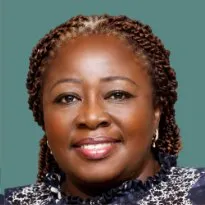
Mansa Nettey
$3 million estimated net worth
Former Managing Director and CEO of Standard Chartered Bank Ghana PLC. Her leadership of one of Ghana's oldest international banks during the most turbulent period in the sector's modern history, the cleanup of 2017 and 2018, gives her operational credibility that is foundational to her subsequent board roles. Full profile →

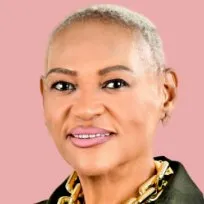
Patience Akyianu
$3 million estimated net worth
Former CEO of Absa Bank Ghana, she led the institution through the landmark rebrand from Barclays Bank Ghana to Absa, a strategic transformation that involved not just a name change but a repositioning of the bank's market identity and operational culture. Full profile →
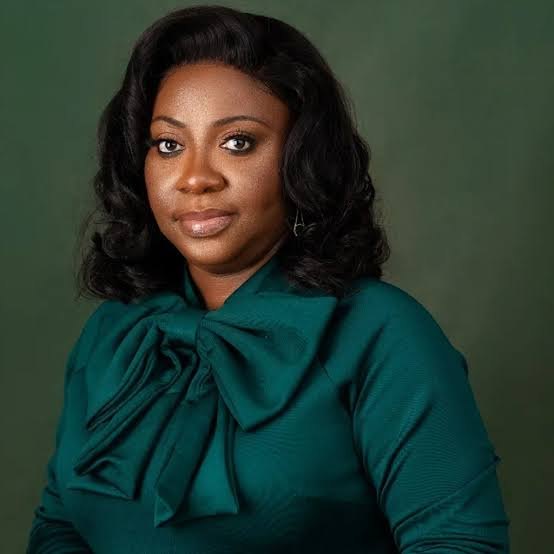
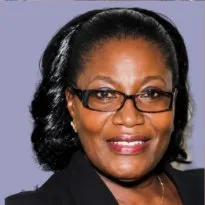
Patricia Obo-Nai
$3 million estimated net worth
Former CEO of Vodafone Ghana who has moved into banking board governance at Absa Bank Ghana. Her engineering background and telecoms operational experience add a technical dimension to banking governance that is increasingly valuable as banks invest in digital infrastructure. Full profile →
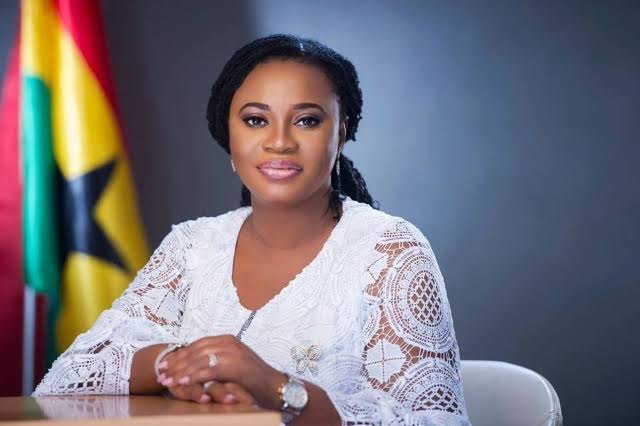
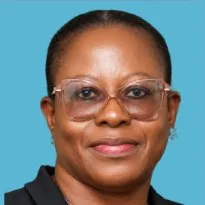
Charlotte Osei
$500,000 estimated net worth
Former Chairperson of Ghana's Electoral Commission, her board role at Stanbic Bank Ghana connects the public sector governance experience of leading one of Ghana's most scrutinised state institutions to financial sector oversight. Full profile →
The capital markets and investment banking voices
Beyond commercial banking, the 2026 ranking recognised women in governance roles across the institutions that sit at the heart of Ghana's capital markets and investment ecosystem.
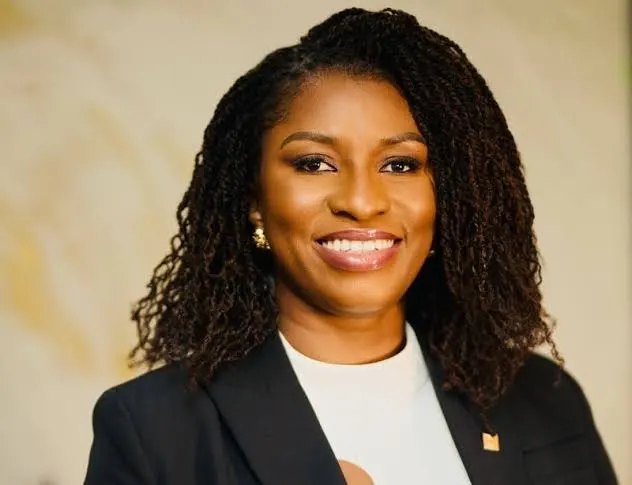
Pearl Nkrumah
Board Chair of the Ghana Stock Exchange. Her chairship leads governance of the exchange through which Ghanaian companies access public equity capital and through which investors trade listed securities. The depth and liquidity of Ghana's capital markets are, in part, a function of how well the exchange is governed. Read full profile →
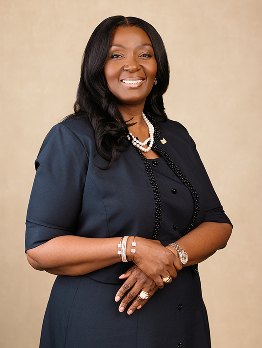
Ama Sarpong Bawuah
Head of Client Coverage for Africa at Standard Chartered, she represents the face of one of the continent's largest international banks to its most significant African corporate clients. Her profile combines investment banking expertise with an Africa-wide client relationship footprint that few can match. Read full profile →

Karen Akiwumi-Tanoh
Group Head of the Ecobank Transnational Incorporated network in English-speaking West Africa. Her operational responsibility spans the Ghanaian subsidiary and the broader West African network of one of Africa's most extensive banking groups. Read full profile →
The new generation: digital and global banking profiles
Several women in the 2026 cohort represent a newer generation of banking governance talent, shaped by careers in digital transformation, global banking networks, and the intersection of financial services and technology.
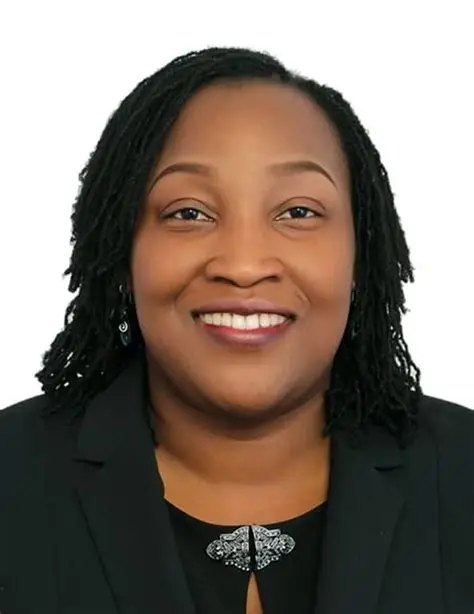
Irene Baaba Hagan
A Ghanaian banking executive whose board work contributes to the governance of financial institutions at a time when the distinction between banking and technology is blurring rapidly. Read full profile →
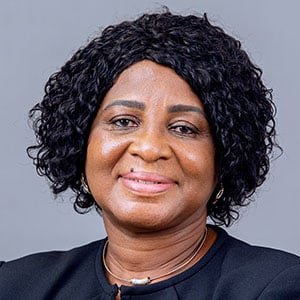
Sarah-Mary Frimpong
Board director at Stanbic Bank Ghana, the Ghanaian subsidiary of Standard Bank Group, one of Africa's largest financial institutions by total assets. Her board service contributes to governance of a bank that serves some of Ghana's most significant corporate relationships. Read full profile →
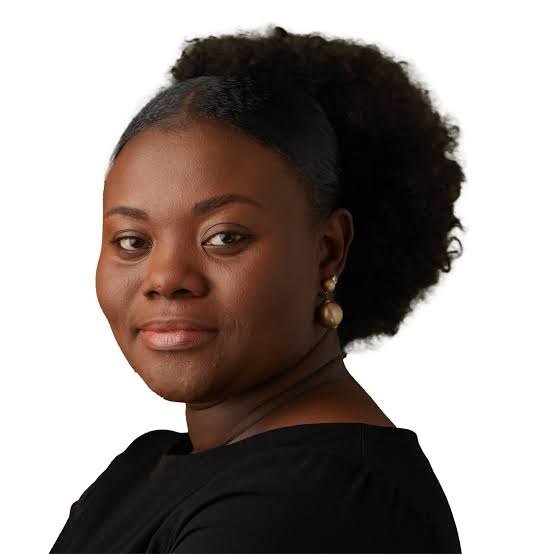
Yvonne Ofosu-Appiah
Board director at Cal Bank, one of Ghana's established listed commercial banks with a particular focus on SME lending and relationship banking for Ghanaian businesses. Read full profile →
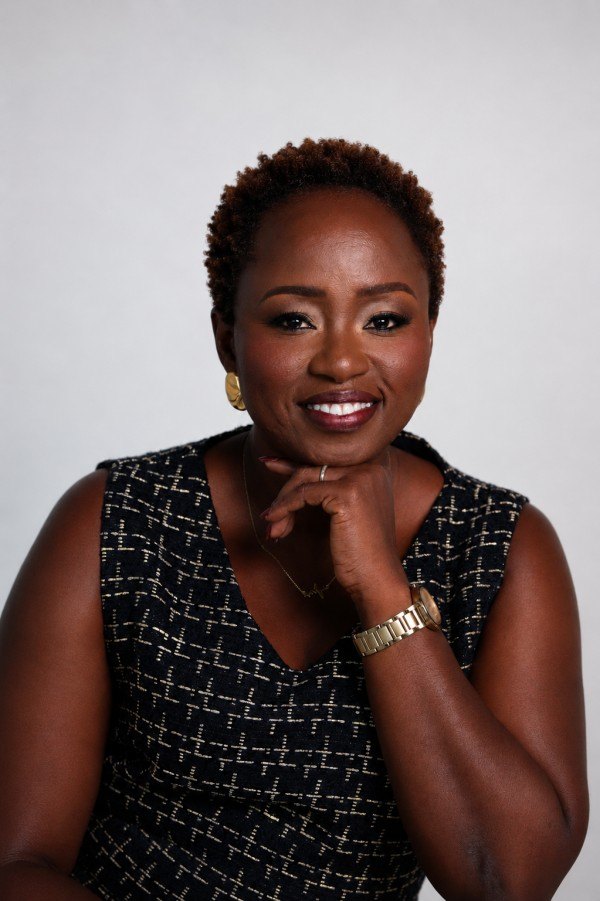
Thelma Efua Quaye
Board director at First Atlantic Bank, a homegrown Ghanaian commercial bank that has built its competitive position through corporate banking and trade finance over more than two decades. Read full profile →
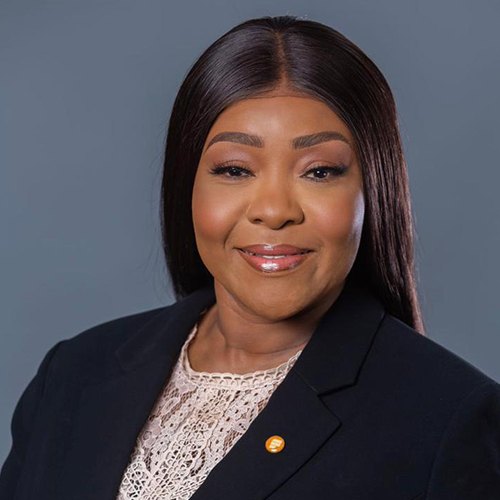
Dr. Shirley-Ann Awuletey-Williams
Board director at Ecobank Ghana, the Ghanaian subsidiary of the pan-African banking group with operations across 33 African countries. Her doctoral qualification adds academic rigour to board deliberation on risk, strategy, and financial governance. Read full profile →
Banking governance as an accountability function
Bank boards carry accountability obligations that go beyond those of most other corporate boards. They oversee institutions that hold depositors' money, manage credit risk across loan portfolios, operate payment systems that are critical national infrastructure, and are subject to regulatory supervision that is more intensive than in almost any other sector. Women who sit on bank boards are not just participating in corporate governance; they are serving as part of the accountability architecture for institutions whose failure can have systemic consequences for the financial system and the people who depend on it.
Ghana's banking sector cleanup demonstrated what happens when that accountability architecture fails: depositors lose access to their savings, workers lose their jobs, and the government has to deploy public resources to manage the fallout. The quality of board governance in Ghana's banks is not a secondary concern; it is foundational to the stability of the financial system that every Ghanaian business and household depends on.
The women recognised in the 2026 Avance Media ranking are doing that governance work across Ghana's most significant banking institutions. Their profiles, board positions, and career biographies are on Agyedin.