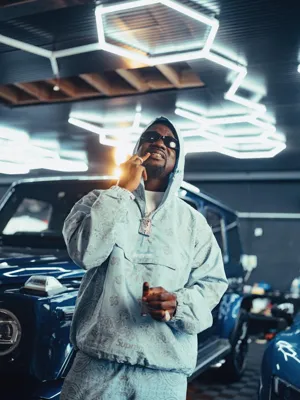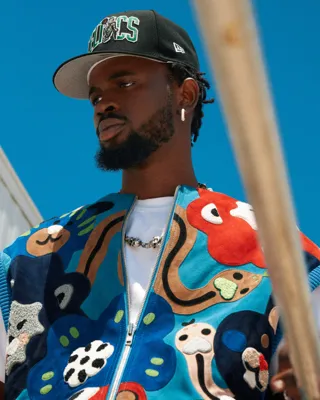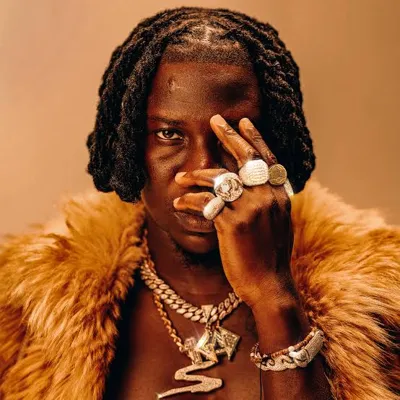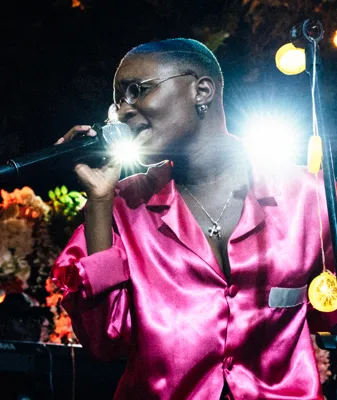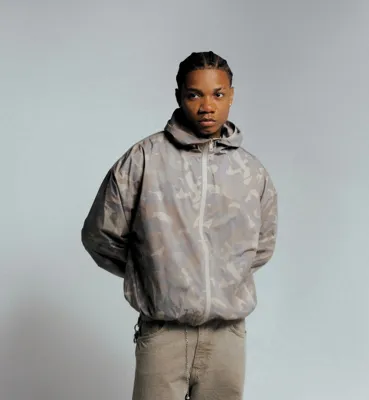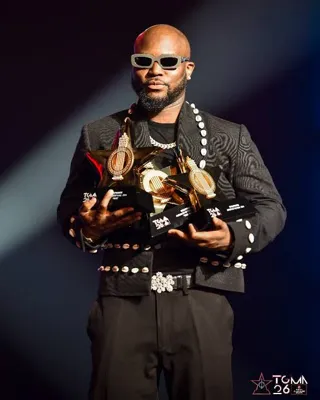

The story of Ghanaian music in the 2020s is the story of a small country punching well above its cultural weight, with artists who have built audiences across Africa, Europe and the Americas without abandoning the sounds and sensibilities that make Ghanaian music distinctive. This is not a Nigerian story, though Nigeria dominates the Afrobeats conversation. It is a Ghanaian story, and it deserves to be told on its own terms.
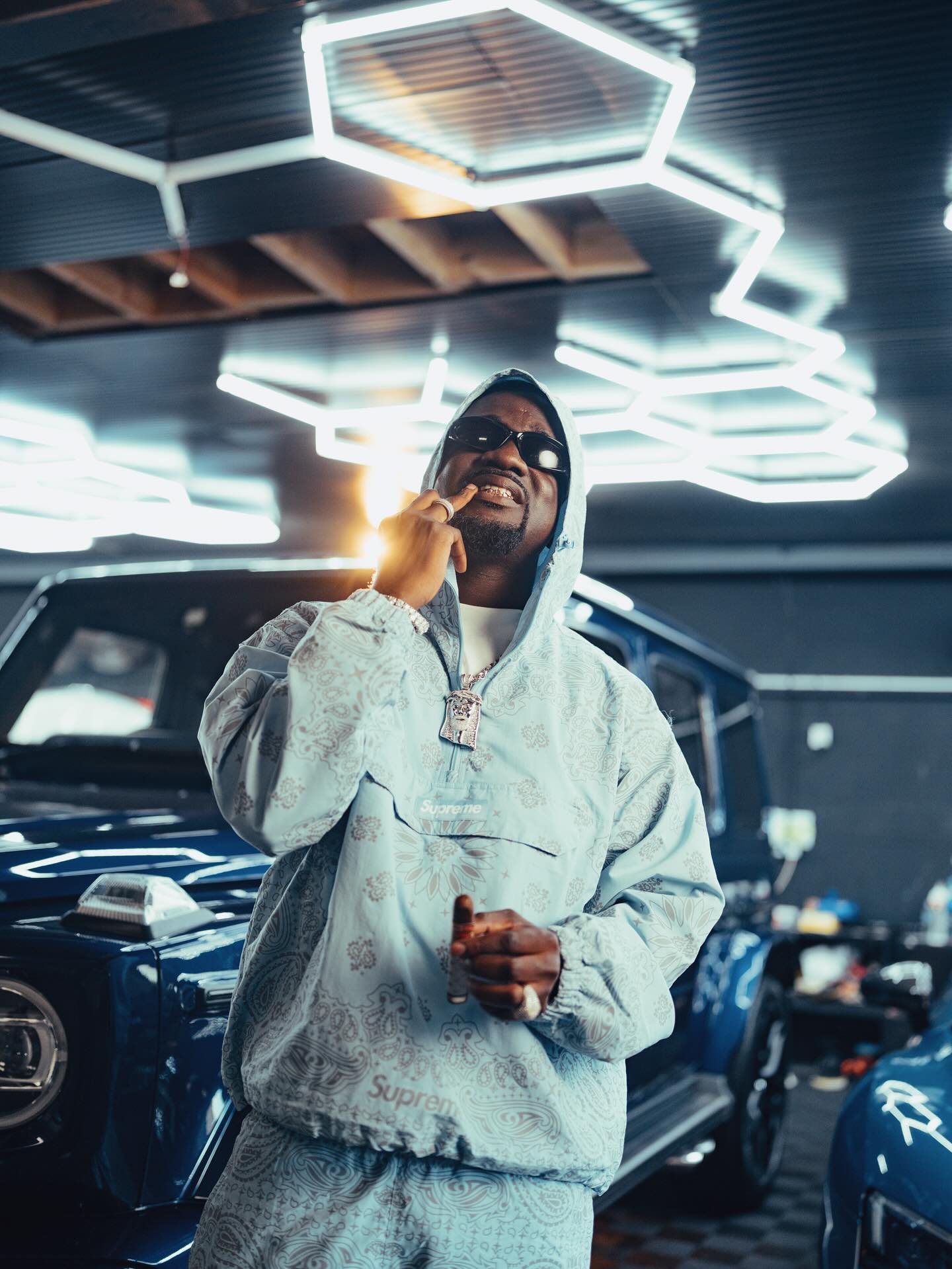
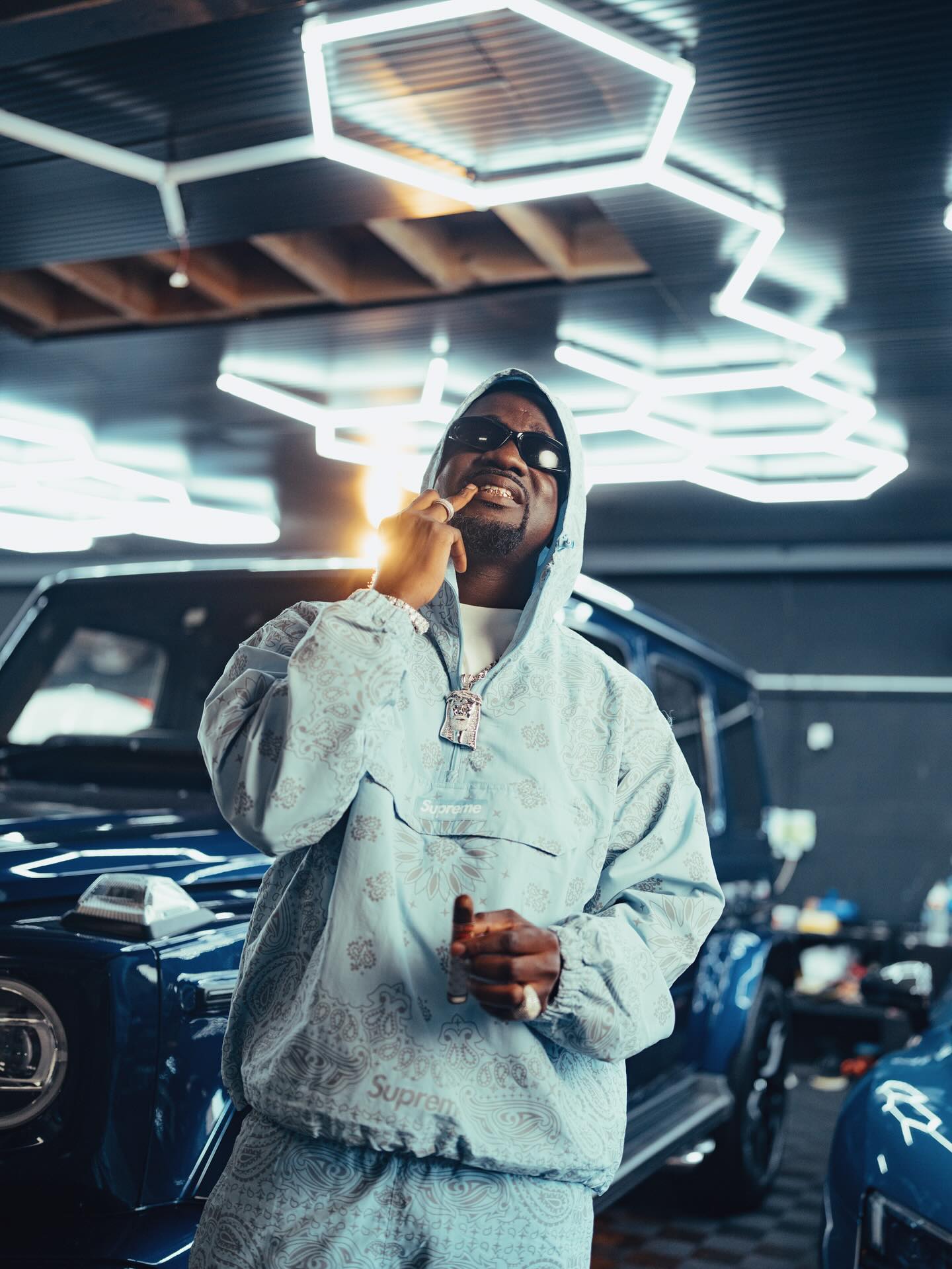
Sarkodie
Sarkodie remains the anchor of Ghanaian music's international story. His collaborations with Nigerian, UK and American artists, and his consistent touring across Africa and the diaspora, have made him the most globally recognised Ghanaian rapper of any era. Read full profile →
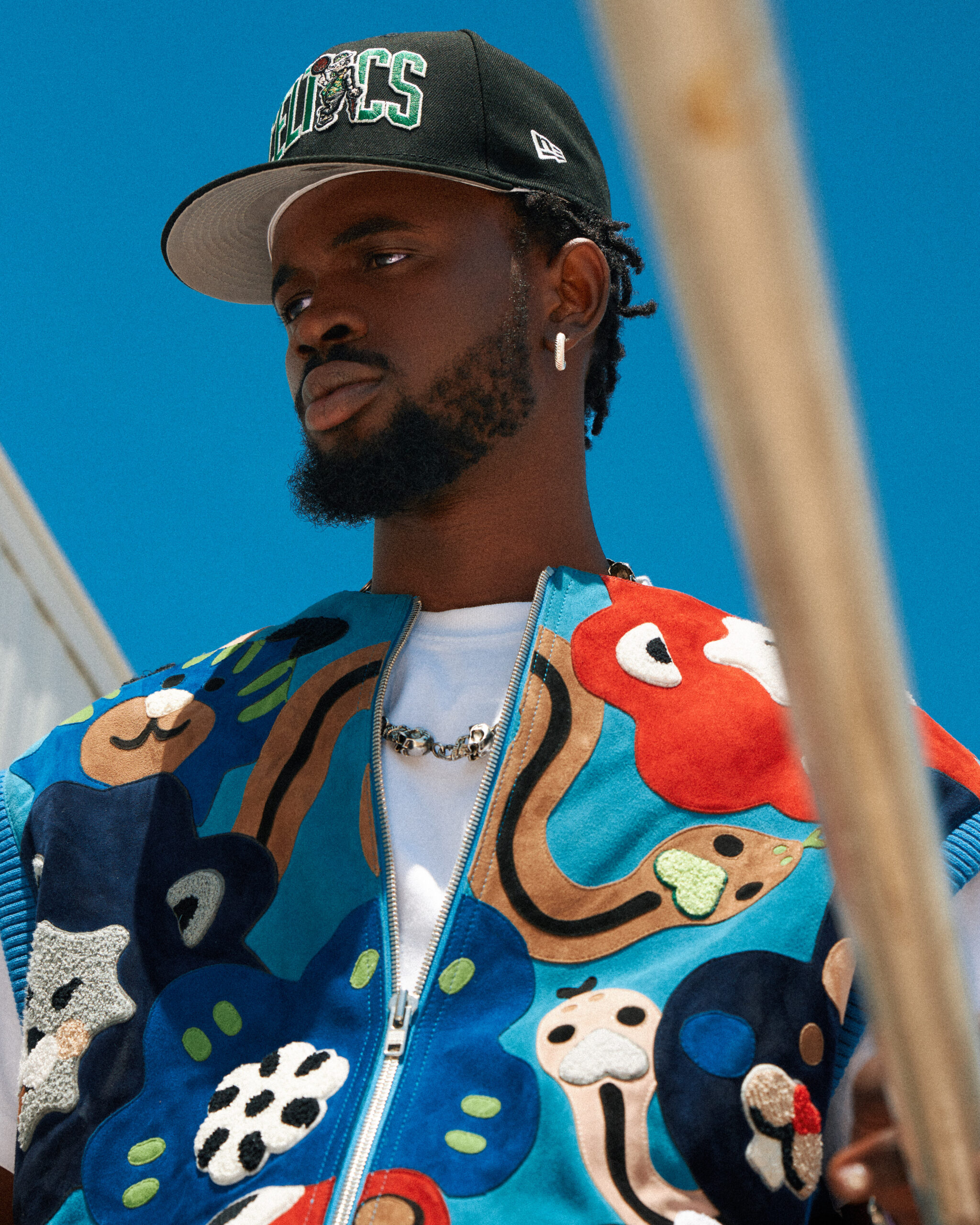
Black Sherif
Black Sherif crossed over from Ghana into the broader African music market with Second Sermon and its remix with Burna Boy, establishing him as one of the continent's most watched young artists. His sound bridges Ghanaian drill, highlife and afrobeats in ways that defy easy categorisation. Read full profile →
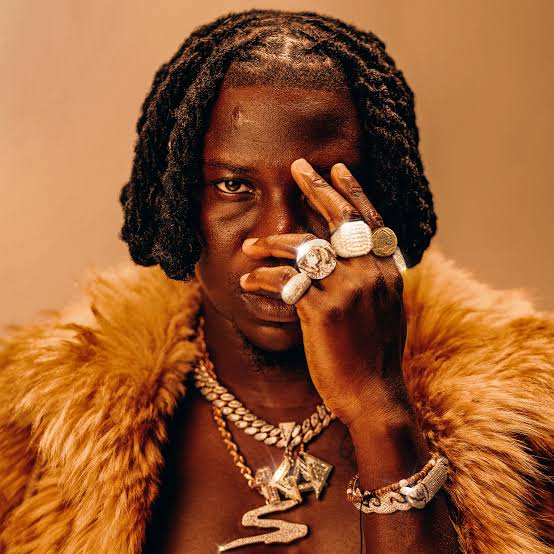
Stonebwoy
Stonebwoy's Afrobeats and reggae fusion has built him a following that extends from Ghana into Nigeria, East Africa and the UK. His BHIM Nation movement has become a genuine community, not just a brand. Read full profile →
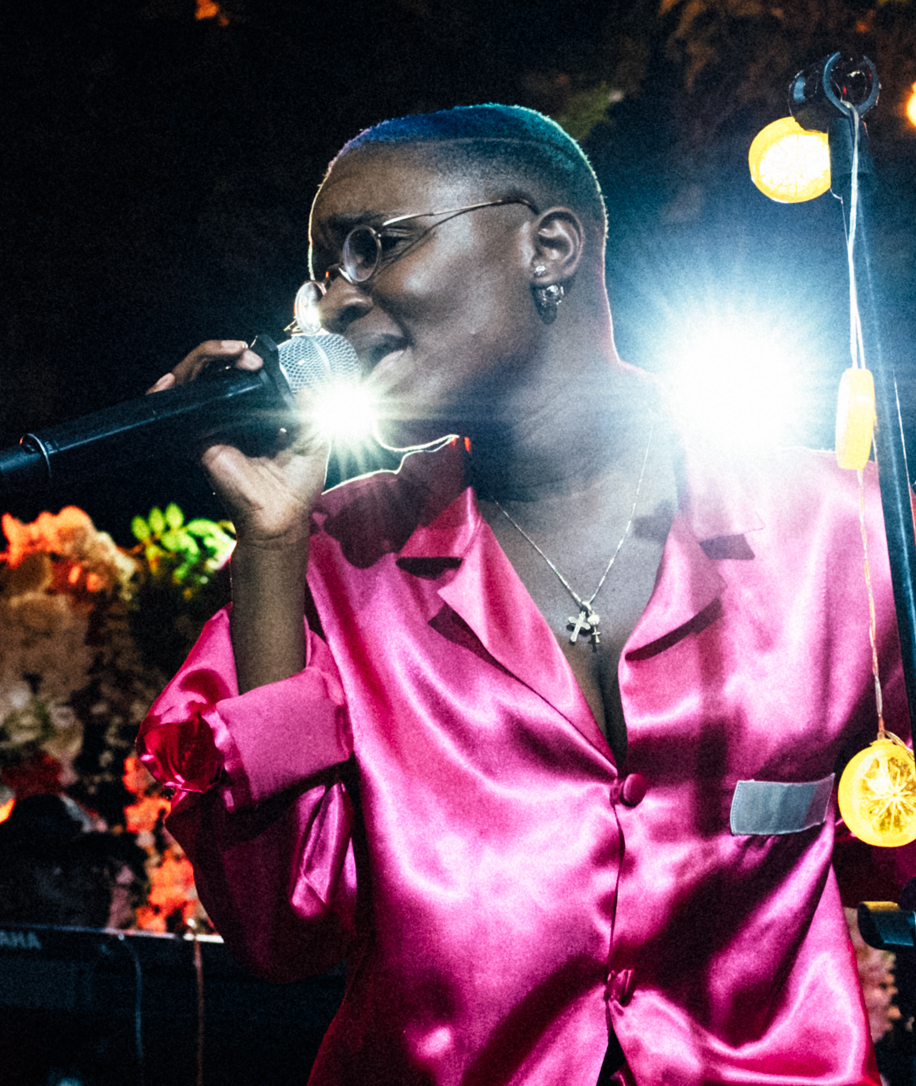
Amaarae
Amaarae built a global audience through a sound that blended afropop with alternative electronic production in ways that attracted attention from the UK and US music press, landing features with artists like Kali Uchis and helping to redefine what Ghanaian pop could sound like. Read full profile →
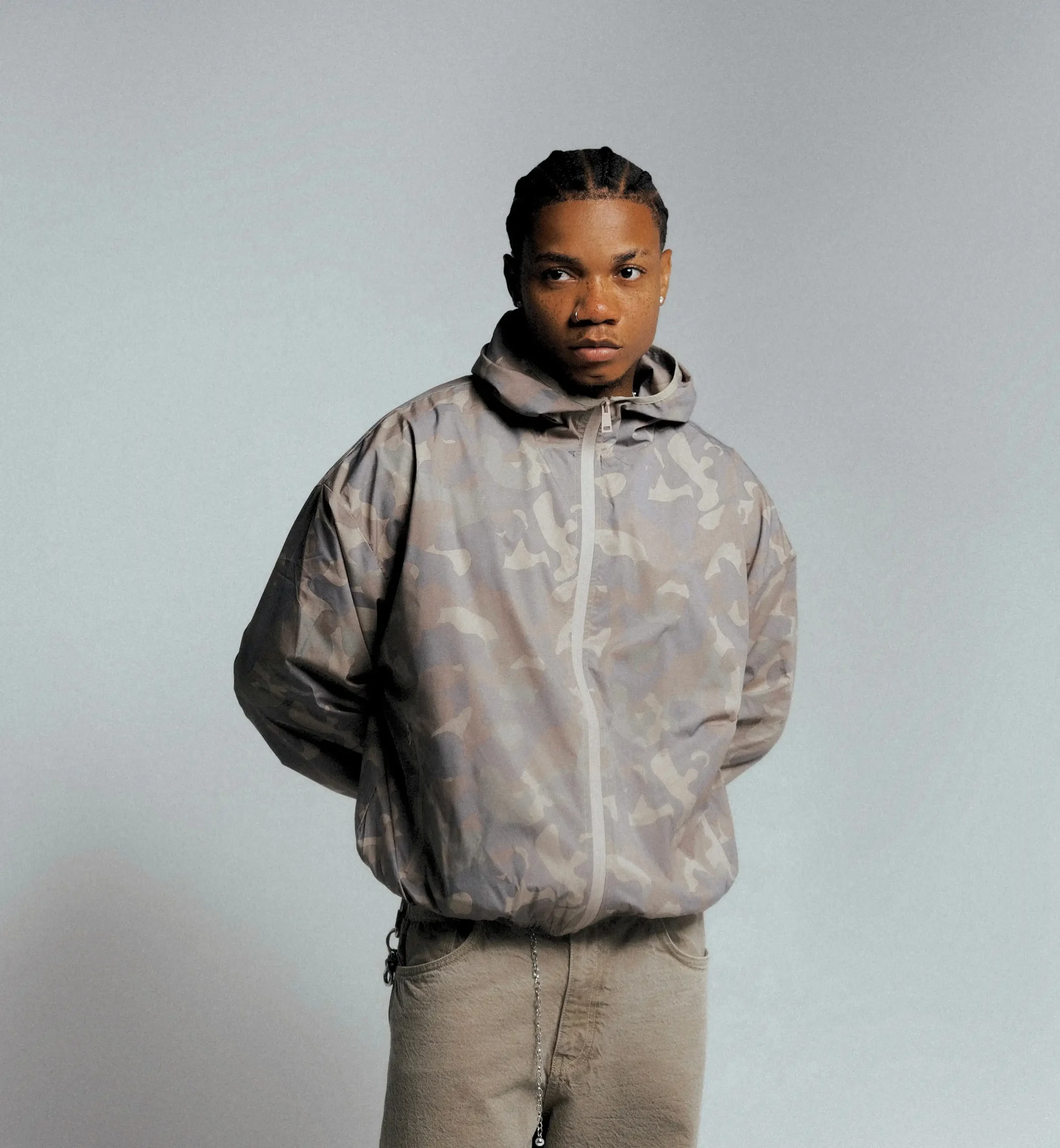
KiDi
KiDi's Golden Boy era produced one of the most widely distributed Ghanaian pop songs of the early 2020s in Touch It, a track that crossed genre lines and generated mainstream attention outside the usual Afrobeats circuits. Read full profile →
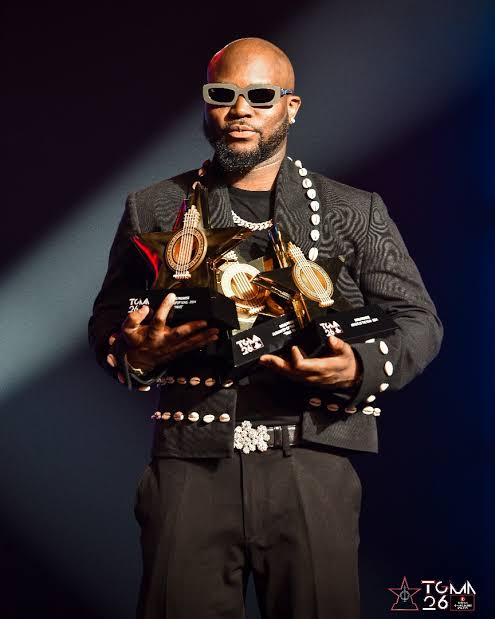
King Promise
King Promise's soulful afrobeats sound has made him a consistent presence in pan-African playlists and earned him collaborations that reflect his standing among the continent's most respected music voices. Read full profile →
The structural shift
What has changed for Ghanaian music in the 2020s is not the talent, which was always there, but the infrastructure: streaming platforms that allow a track made in Accra to reach Lagos, London and Los Angeles simultaneously, social media that turns a viral moment into a career, and a generation of Ghanaian listeners who have grown up understanding that their country's music deserves to be heard alongside anyone else's. The artists listed above are the names, but the shift they represent is structural, and it is not going back.