Every year, Ghanaians argue about who really runs the country. Politicians point to election results. Music fans point to streaming numbers. Business people point to net worth. Two of the most visible attempts to answer that question come from Agyedin and Avance Media, and comparing them says a lot about how Ghana defines power in 2025 and 2026.
Two Lists, Two Philosophies
Agyedin’s ranking puts President John Mahama at number one and Vice President Jane Naana Opoku Agyemang at number two. The logic is straightforward: political authority is the most direct form of influence in any country. The president controls the budget, appoints ministers, sets policy, and represents Ghana internationally. No celebrity, no matter how globally famous, can do those things.
Avance Media takes a different approach. Their Power 100 lists figures alphabetically rather than by rank. This sidesteps the thorny question of who is more influential than whom, but it also means the list reads more like a directory than a power map. Both approaches have merit. The alphabetical format avoids the controversy of ranked comparisons. The ranked format forces a clearer argument about where power actually sits.
The Names Both Lists Agree On
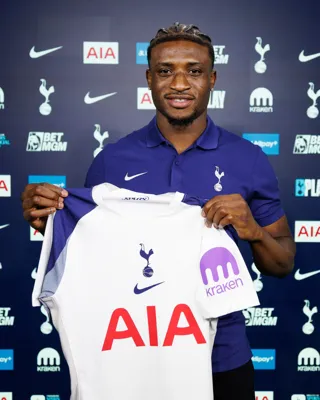
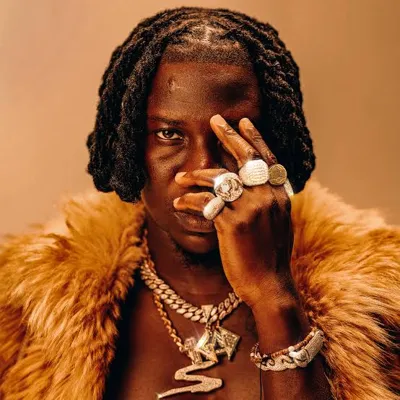
Despite the structural differences, there is significant overlap in who makes both lists. President Mahama and Vice President Naana Jane appear on both, as does Finance Minister Cassiel Ato Forson, whose control over Ghana’s public finances has made him one of the most consequential figures in the country’s economic recovery story. Mohammed Kudus, now playing for Tottenham Hotspur after his breakout at West Ham, represents football’s place in Ghana’s national identity. Sarkodie and Stonebwoy anchor the music side, two artists whose influence extends well beyond Ghanaian borders into African and global markets.
The shared names reflect a consensus on what the floor of Ghanaian influence looks like. Getting past that floor is where the two lists diverge.
What Does Influence Actually Mean?
The word gets stretched in three directions in Ghana. Political influence is the most legible: it comes with an office, a budget line, and a security detail. Ato Forson negotiating with the IMF has influence that no musician can replicate. But cultural influence reaches places political power cannot. When Stonebwoy performs in Germany or Sarkodie collaborates with artists from across Africa, they are carrying Ghanaian identity into spaces where no minister travels.
Business influence sits somewhere in between. Someone like Kwame Despite built an empire in media, food production, and entertainment that touches Ghanaian daily life in ways most politicians only dream about. His TV stations shape what millions of people watch and how they understand the world around them. That is a form of power that does not appear on any ballot.
The Gender Question
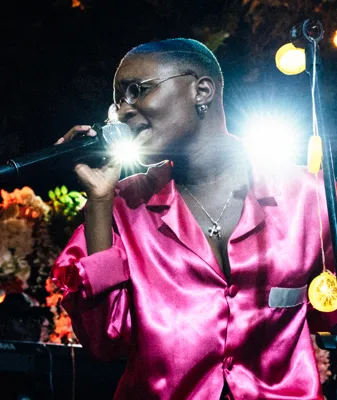
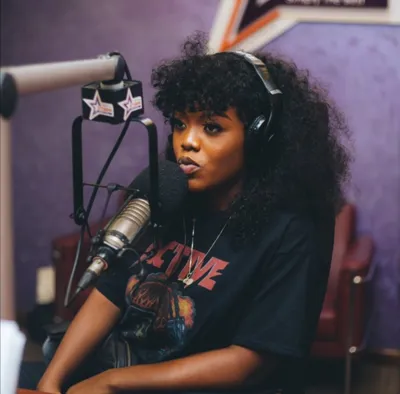
Both lists reflect a Ghana that is still working through questions of gender representation at the top. Naana Jane Opoku Agyemang is the most prominent woman in both rankings, and her ascent to the vice presidency in 2025 was historic. But beyond her, women are still underrepresented in both the political and business tiers of these lists. The cultural tier is somewhat different: female artists like Gyakie and Amaarae have built genuinely global profiles, even if their placement on influence lists tends to lag behind male counterparts with comparable reach.
Who Gets Left Out
The most revealing thing about any ranking is who does not make it. Traditional rulers hold enormous influence in specific communities and regions, but they rarely appear on national power lists despite their role in land governance, chieftaincy disputes, and cultural authority. Religious leaders, particularly in a country as devoutly Christian and Muslim as Ghana, shape the values and votes of millions, but their influence is diffuse and hard to rank. Diaspora Ghanaians who hold positions at international institutions are another gap: figures like Shirley Ayorkor Botchwey, now Commonwealth Secretary-General, wield influence on a global scale that few Accra-based politicians can match.
Why the Comparison Matters
Agyedin and Avance Media are both doing something valuable: forcing a public conversation about who Ghana should pay attention to and why. The disagreement between a ranked list and an alphabetical one is not just a formatting choice. It reflects a genuine tension in how Ghanaians think about achievement, power, and recognition. A country that is still building its institutions, still negotiating the relationship between elected government and traditional authority, still watching its musicians outpace its politicians on the global stage, needs exactly this kind of argument.
There is no final answer to who Ghana’s most influential figure is. But the attempt to answer it, year after year, is itself a sign that Ghana is paying attention to its own story.