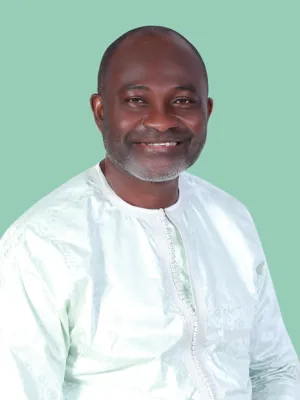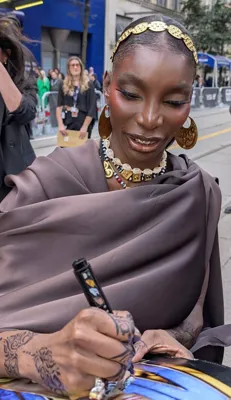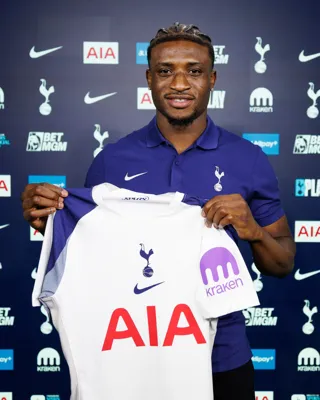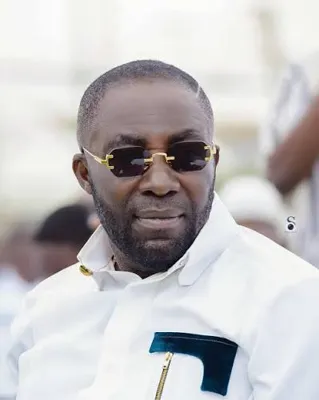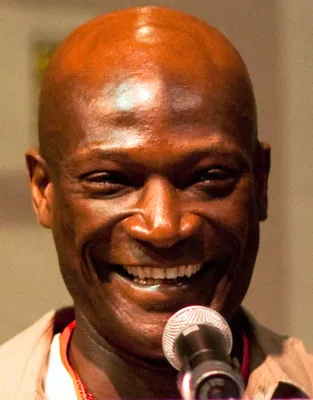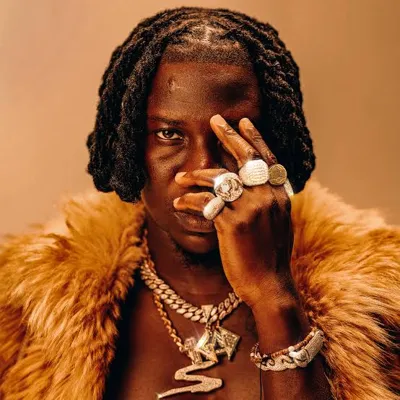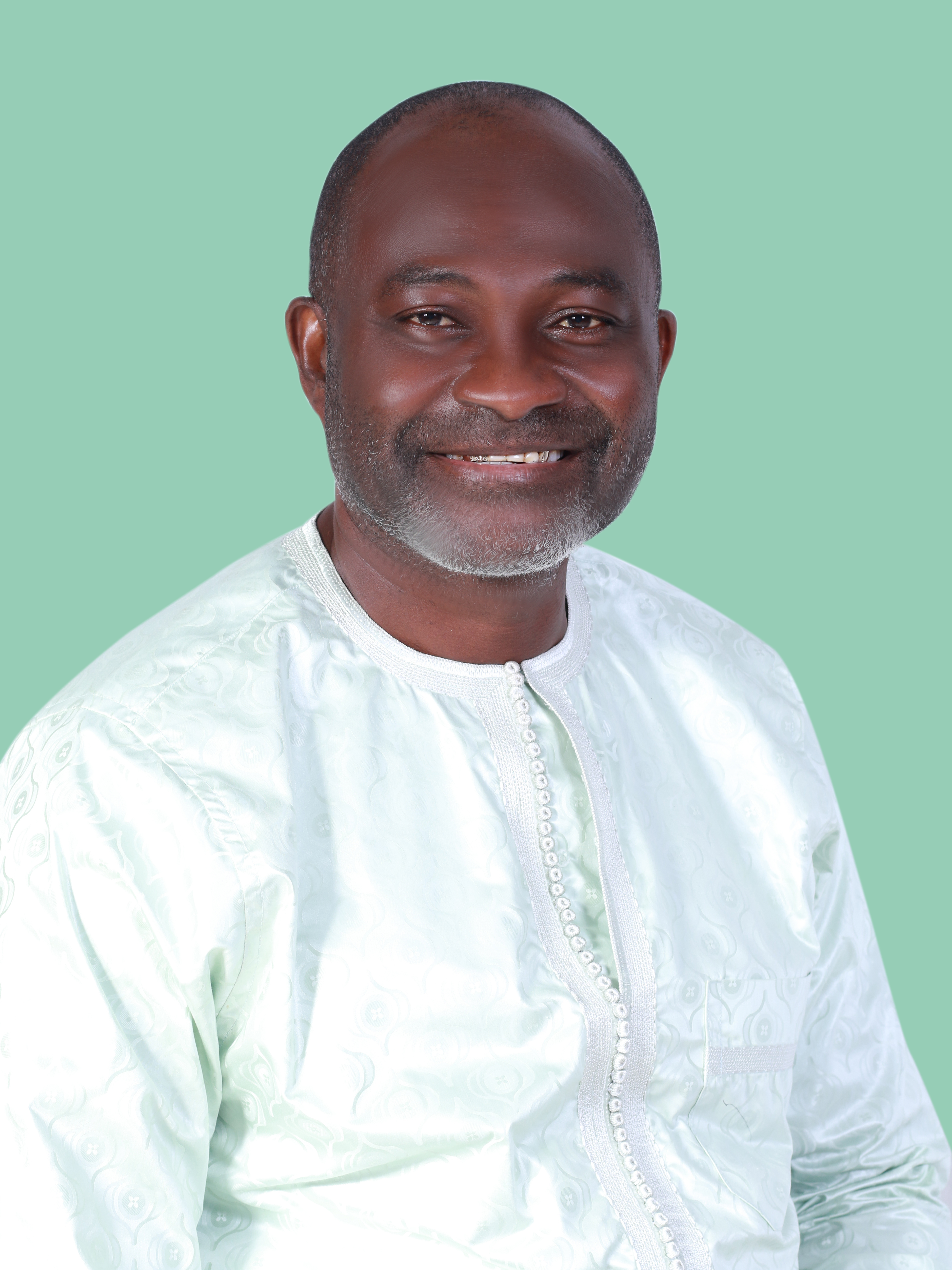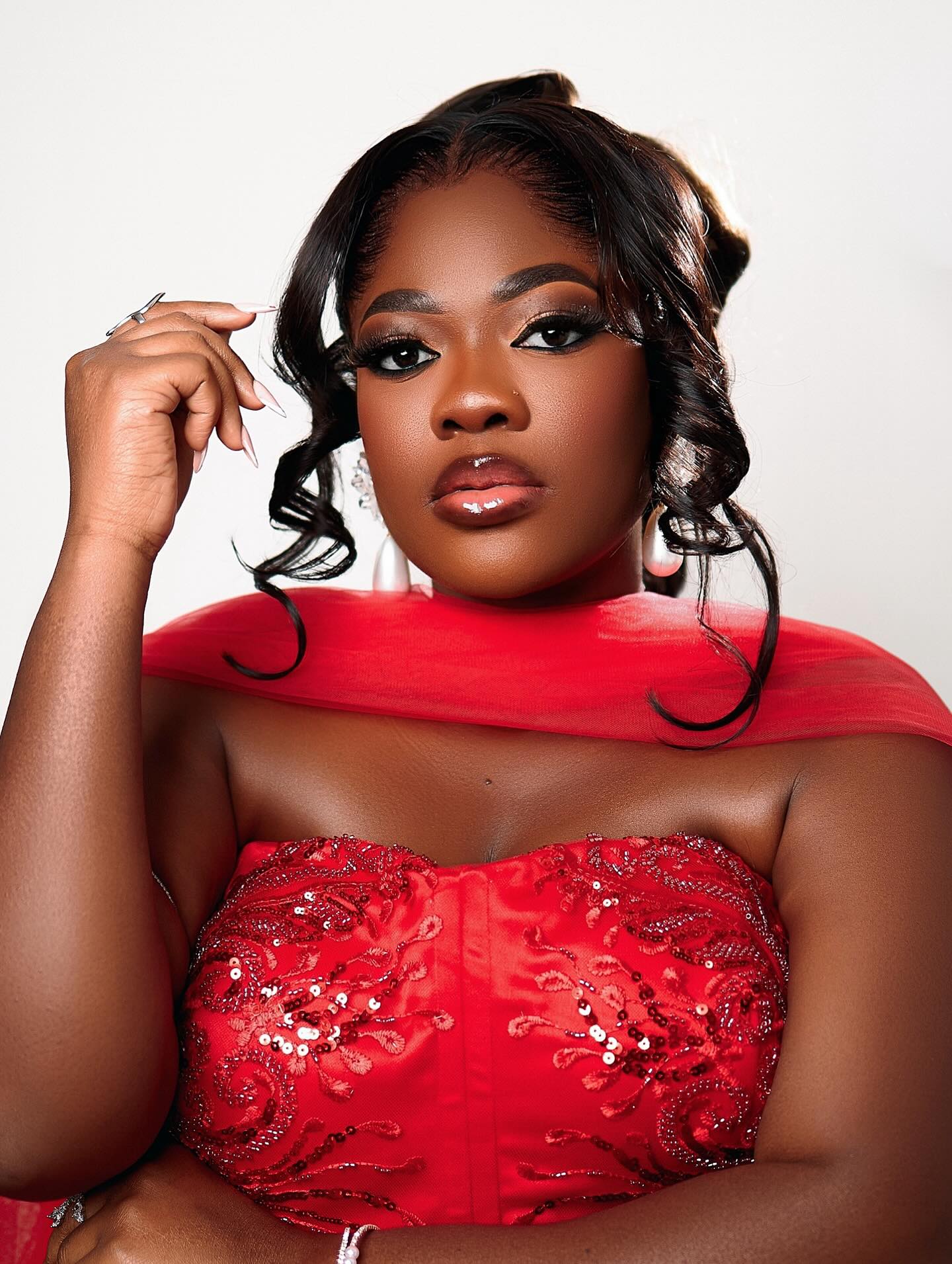
Every year, Agyedin compiles the Power 100: a ranking of the Ghanaian public figures whose decisions, talents and voices carry the most weight in the country's life. The list is not a popularity contest, and it is not a wealth ranking. It is an attempt to answer a harder question: whose actions actually shape what happens in Ghana and how the world sees the country? The 2026 edition covers politics, business, music, sport, media and culture, drawing from a pool of hundreds of profiles to identify the hundred people whose influence is broadest and deepest right now.
How the list is compiled
The editorial team at Agyedin assesses influence across five dimensions: reach (how many people a figure's decisions or output affect), visibility (how prominently they register in public conversation), impact (whether their work produces measurable change), longevity (whether the influence is sustained or a single moment), and global footprint (whether it extends beyond Ghana's borders). No single dimension is decisive. A musician with a smaller domestic following but an international touring career may score higher overall than a politician with a large constituency following but no reach beyond it. Equally, a businessperson who shapes thousands of jobs but avoids public life can outrank a celebrity whose visibility exceeds their actual impact.
The political tier
Politics dominates the top of the list in any year, and 2026 is no exception. President John Mahama returned to power in January 2025 following the NPP's defeat in the December 2024 election, and his administration's economic programme sets the national agenda in a way that no other individual's decisions can match. Below him, Finance Minister Ato Forson and Speaker Alban Bagbin represent the legislative and fiscal power that shapes daily governance. The opposition is represented most prominently by Kennedy Agyapong, whose media empire and parliamentary record give him influence that survives electoral cycles.
Business and media
Osei Kwame Despite is the highest-ranked businessperson in the 2026 list, his estimated $1.4 billion in assets and his control of Peace FM, Okay FM and UTV giving him a reach into Ghanaian households that most politicians would envy. The business tier reflects Ghana's diversifying economy: real estate developers, technology entrepreneurs and media owners now sit alongside the mining executives and trading magnates who dominated earlier editions.
Music and sport
Sarkodie and Stonebwoy anchor the music section of the list, their international profiles and domestic commercial dominance giving them a combined reach that rivals any political figure for raw audience size. In sport, Mohammed Kudus at West Ham United is the standout active footballer, while the influence of Abedi Pele on two generations of Ghanaian football earns him a place that honorary rankings are made for. Diana Hamilton represents the gospel music community, whose cultural weight in a deeply religious society is consistently underestimated in influence rankings.
The global dimension
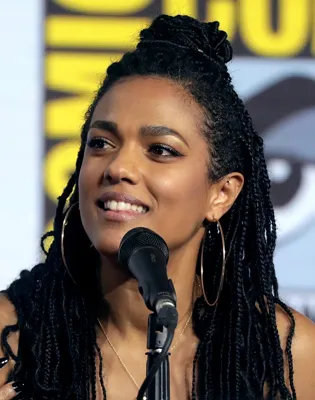
One of the clearest trends in the 2026 list is the growing importance of Ghanaians building careers outside the country. Michaela Coel, writer and star of I May Destroy You, carries Ghana's name into rooms that most of the list will never enter. Freema Agyeman and Peter Mensah represent a generation of British and American-based Ghanaian-heritage performers whose profiles reflect back on the country and shape how it is perceived internationally. The full Power 100 is available on Agyedin, with individual profiles for every entry on the list.