

The women on this list built careers in a Ghanaian music industry that was not always built for them. Some pushed through structural barriers, some created their own lanes entirely. All of them left the music better than they found it. This ranking weighs impact, awards, longevity and cultural footprint across different eras of the industry.

1Efya
Jane Awindor won four consecutive VGMA Best Female Vocal Performance awards between 2011 and 2014, a run no other female vocalist in Ghana has matched. Working across jazz, soul and Afrobeats, she placed herself at an intersection of sounds that felt entirely her own. The four-year dominance at the awards set the standard for what a female voice could achieve in Ghanaian music. Read full profile →
2Adina
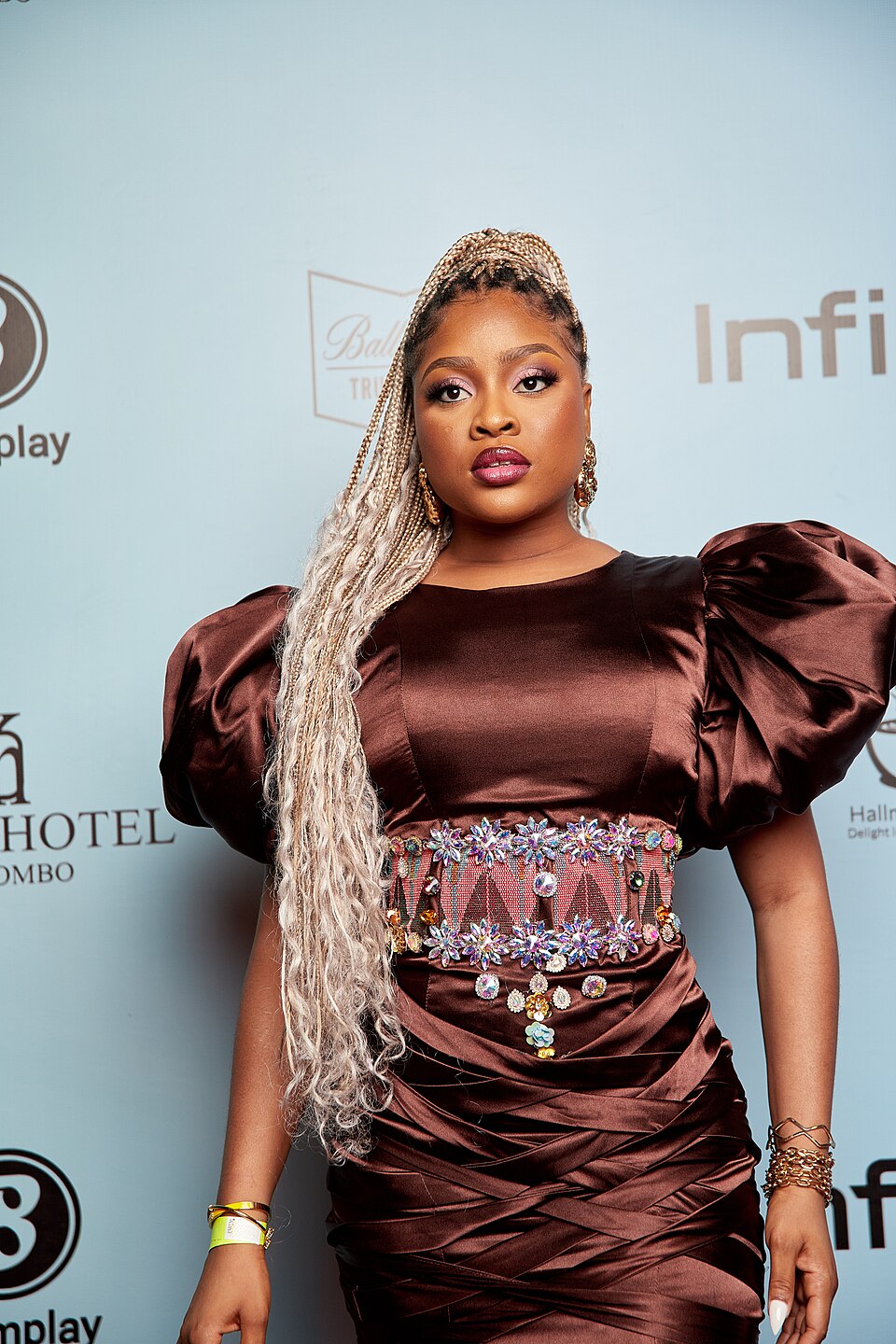
Adina Thembi Ndamse won Stars of the Future in 2008 and spent the next decade building one of Ghana's most consistent female careers. 'Too Late' won her Record of the Year and Best Female Vocalist at the 2018 VGMAs. Her album Araba took Album of the Year at the 22nd VGMAs. Moving between Afrobeats, R&B and highlife without ever sounding stretched, she has demonstrated rare versatility at the highest level of Ghanaian music. Read full profile →
3Mzbel
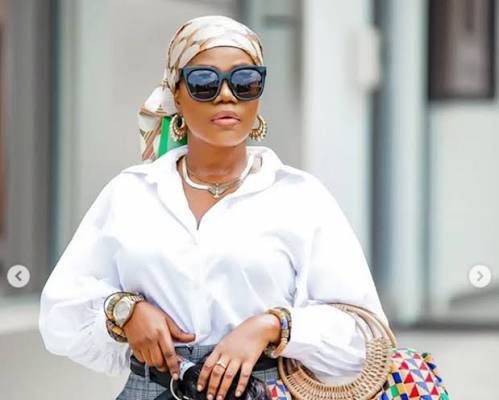
Mzbel arrived in Ghanaian pop in the early 2000s with a level of confidence and self-presentation the industry had not seen from a female artist before. Her music was direct, her public persona unapologetic. She remains one of the most influential female figures from that era, having opened space for the female artists who followed her into a male-dominated industry. Read full profile →

4Akosua Agyapong
Akosua Agyapong has been making highlife music longer than most names on this list have been performing. Her career as a pioneer for women in Ghanaian highlife created possibilities that subsequent female artists built on. The contribution is partly musical and partly structural: she demonstrated that a woman could lead a highlife career in Ghana and sustain it across decades. Read full profile →
5Deborah Vanessa
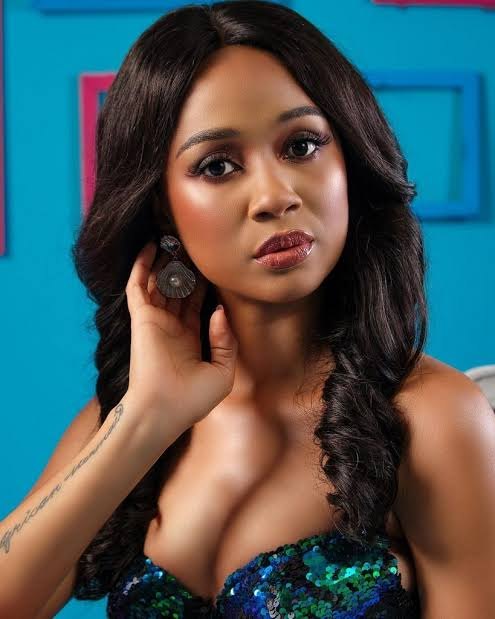
Deborah Vanessa, known as Sister Derby, built a career on her own terms. She moves between music, acting and creative direction in a way that resists easy categorisation. The music reflects that independence: experimental, confident, shaped by a creative vision that has never looked to the mainstream for validation. Read full profile →
6Sista Afia
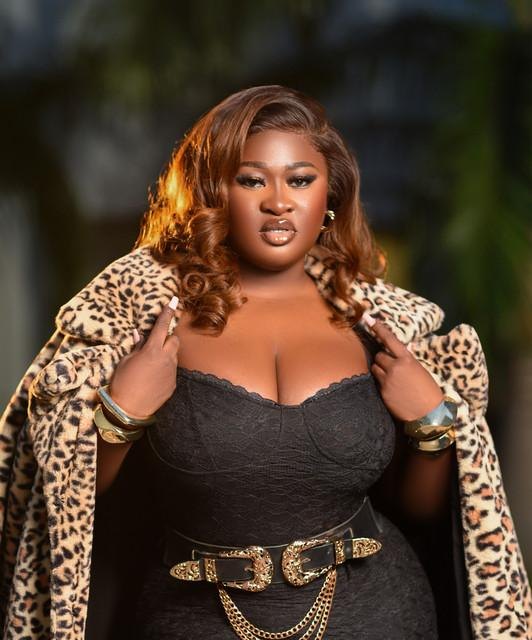
Sista Afia established herself as one of Ghana's most consistent female artists with hits including 'Jeje' and a discography that spans Afropop and female rap. She has competed in a space where female artists have historically needed to work harder for equivalent recognition, and she has won repeatedly regardless. Read full profile →
7Feli Nuna
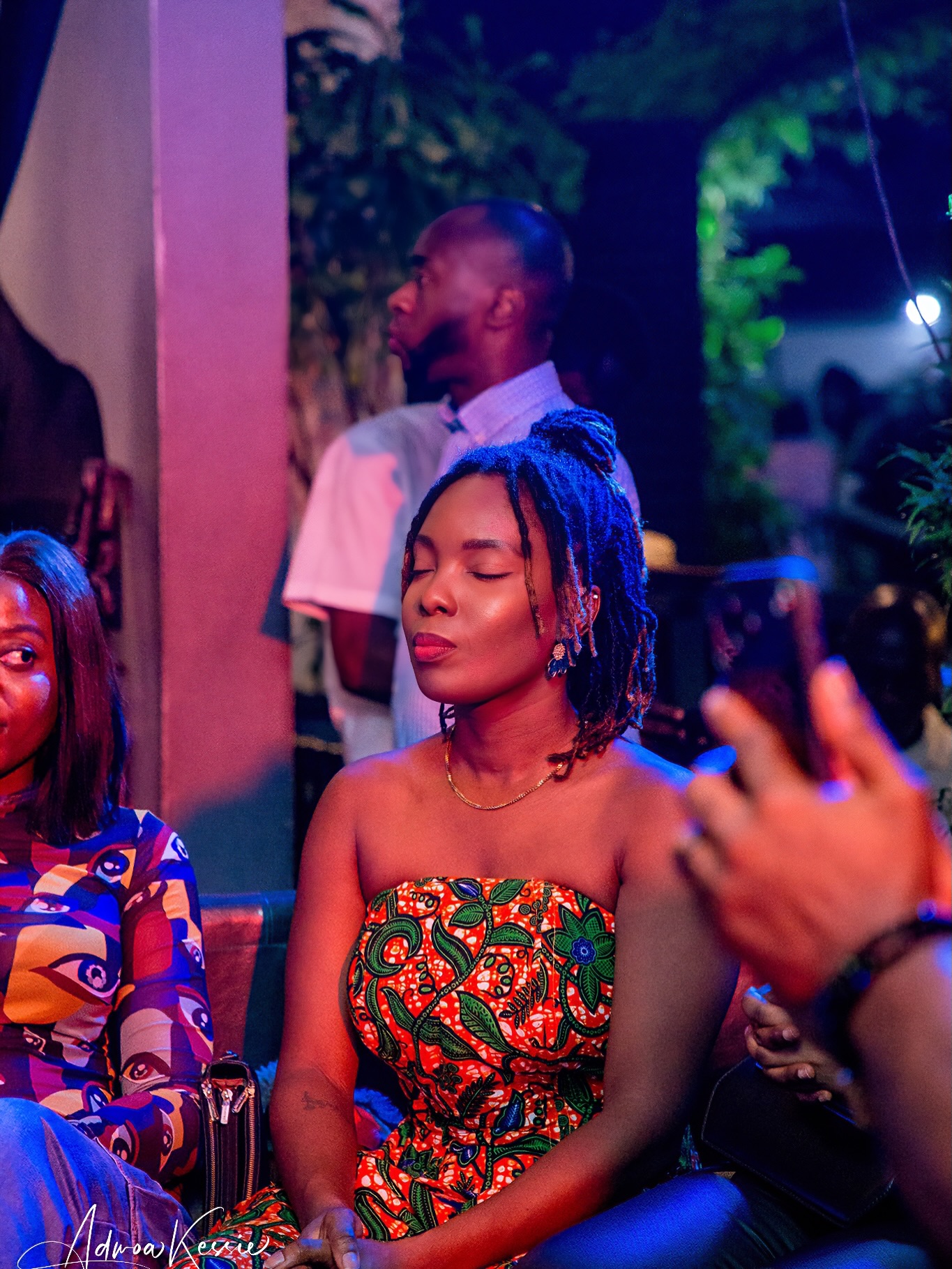
Feli Nuna brings a neo-soul sensibility to Ghanaian pop that distinguishes her work from the Afrobeats mainstream. Her singles including 'Yawa' and 'Touch' built a following that responds to the emotional precision of her writing and the warmth of her voice. Read full profile →
8Joyce Blessing
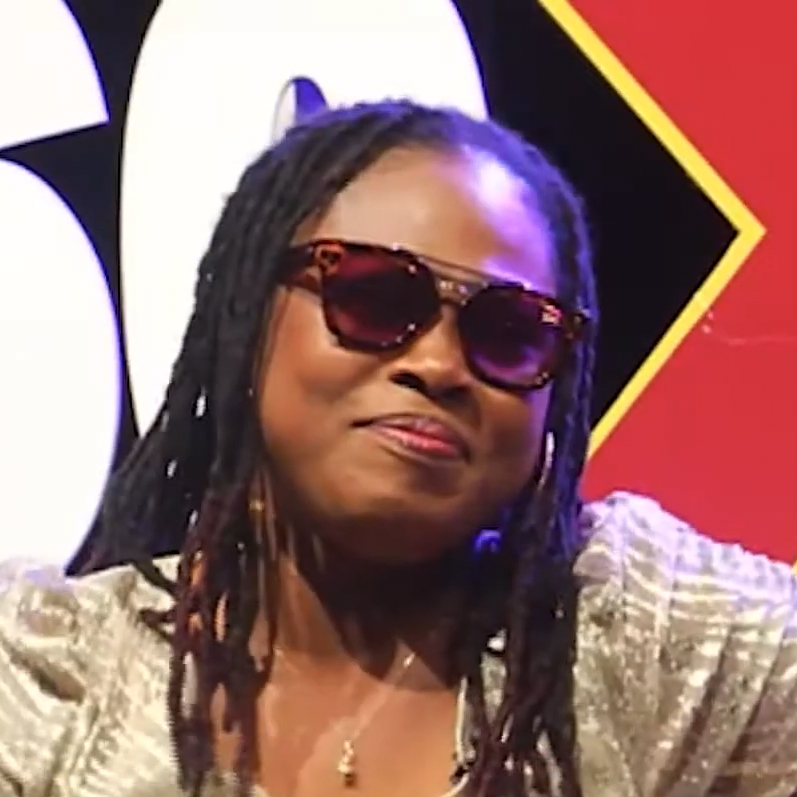
Joyce Blessing occupies a space in Ghanaian gospel that reaches well beyond the church. Her music travels across communities and platforms, and her ability to make songs that feel simultaneously personal and broadly shared is the quality that has sustained a following across multiple years of the industry's evolution. Read full profile →
9Eazzy
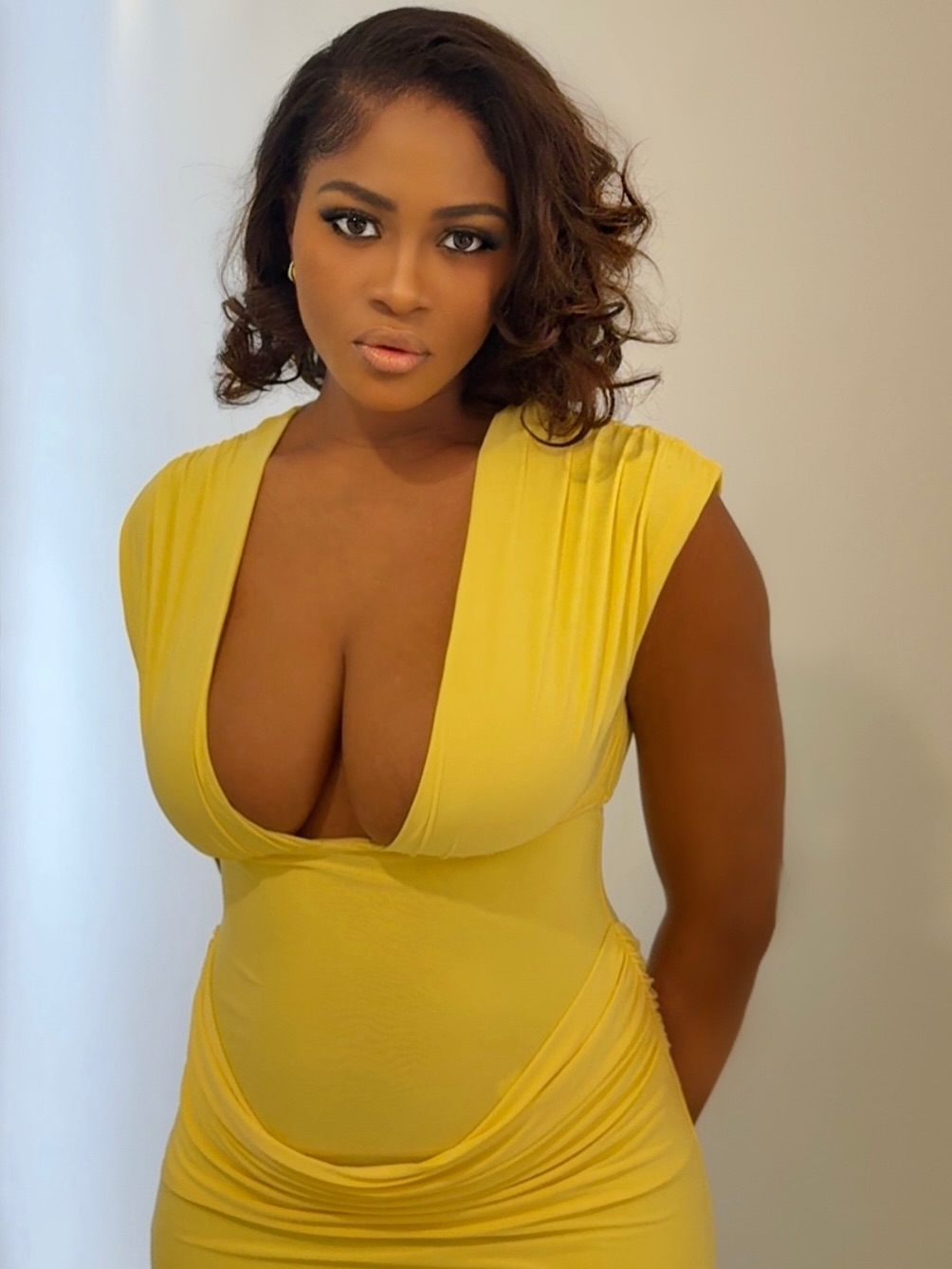
Eazzy was one of the defining female voices of Ghanaian Afropop in the early 2010s. Songs including 'Pipi N'asa' and 'Daavi' placed her at the centre of a movement that was shaping what the music sounded like during a significant transitional period in the industry. Read full profile →
10Freda Rhymz
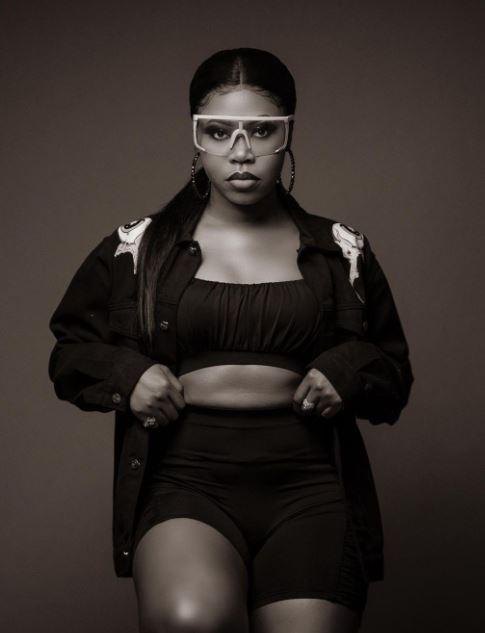
Freda Rhymz carried the flag for female rap in Ghana through a period when space for women in hip-hop was considerably narrower than it should have been. Her consistency and refusal to compromise her output earned her recognition as one of the most credible female rappers the country has produced. Read full profile →
Ghanaian female musicians have operated with fewer structural resources than their male counterparts for most of the industry's history. The ten above built meaningful careers in that environment. That achievement deserves its own ranking.