There was a time when Ghanaian music travelled by cassette tape, carried across borders in the bags of traders and relatives. That world is gone. In 2025, a song made in a home studio in Accra can reach a playlist in Stockholm, a TikTok feed in São Paulo, and a club in Toronto within hours of release. The artists who grew up watching that transformation happen are now the ones driving it.
From Hiplife to Afrobeats: How the Sound Changed
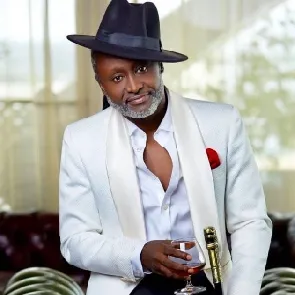
Hiplife was Ghana’s original fusion, a blend of highlife melodies and hip-hop production that Reggie Rockstone brought back from the United Kingdom in the mid-1990s. For a decade, hiplife defined what contemporary Ghanaian music sounded like. Names like Obrafour, Okomfo Kwadee, and later Sarkodie and R2Bees built careers on it.
The shift toward what gets broadly labelled Afrobeats, a genre that blends West African rhythms with electronic production, dancehall, and R&B elements, happened gradually and then all at once. By the early 2020s, the lines between Ghanaian Afrobeats, Afropop, and the Nigerian sound that dominated global playlists had blurred enough that Ghanaian artists were operating in the same conversations as their counterparts in Lagos, rather than in a separate national lane. That was new. That was significant.
Stonebwoy: The Dancehall Standard-Bearer
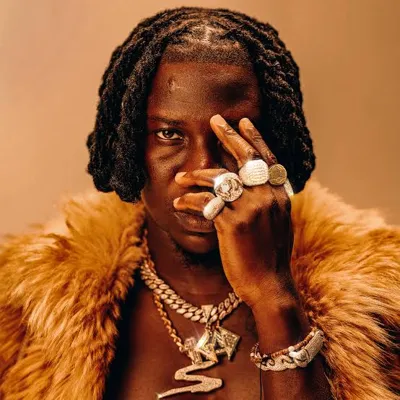
Stonebwoy has been building his career since the early 2010s, and in 2025 he remains one of Ghana’s most consistent international performers. His combination of reggae and dancehall with Ghanaian rhythms and Ewe-language lyrics has given him a distinct identity in a crowded market. He has won multiple Ghana Music Awards including Artist of the Year, performed at major festivals across Europe and North America, and collaborated with international artists from Damian Marley to Kranium.
What makes Stonebwoy notable in the current landscape is his longevity. Music cycles move faster than they ever have, and staying relevant across more than a decade requires constant reinvention. He has managed it without abandoning the sound that made him recognisable in the first place.
Black Sherif: The Breakout That Changed Everything
When Black Sherif released Second Sermon in 2021, the response was unlike anything Ghanaian music had seen in years. The song, a brooding mix of drill, highlife, and spoken word, spread across social media faster than the conventional music industry could track. It was remixed by Burna Boy, which brought it to an even larger audience, but the original had already made its point: here was a sound that was completely Ghanaian and completely global at the same time.
Black Sherif’s debut album, The Villain I Never Was, released in 2022, cemented his position. By 2025, he is performing at major venues internationally and charting on platforms and in markets that Ghanaian artists had rarely reached. He speaks openly about growing up in Konongo in the Ashanti Region and about the economic struggles that shaped his lyrics. That specificity, rather than diluting his appeal, has been central to it.
KiDi and Kuami Eugene: The Highlife Revival
While drill and Afrobeats attract most of the international attention, KiDi and Kuami Eugene have led a quiet highlife revival that has resonated enormously with Ghanaian audiences at home and in the diaspora. KiDi’s Touch It became a viral sensation in 2021, soundtracking a global dance challenge and introducing his smooth Afropop sound to listeners who had never heard of him before. Kuami Eugene, signed to Lynx Entertainment alongside KiDi, has taken a similar path: melodic, guitar-inflected songs that sit in the highlife tradition while sounding entirely contemporary.
Both artists have talked about the deliberate choice to anchor their music in Ghanaian musical heritage rather than chasing whatever international sound is currently dominant. That decision has paid off commercially and critically.
Gyakie and Amaarae: Two Roads to Global Recognition
Gyakie’s Forever, released in 2020, became one of the most discussed songs in African music that year. The remix featuring Omah Lay took it to a new level, and by 2021 it had been streamed tens of millions of times and covered by artists across Africa and beyond. Gyakie’s voice, warm and controlled, sits perfectly in the Afropop lane that connects with streaming audiences across multiple continents.
Amaarae represents something different. Her 2021 album, The Angel You Don’t Know, was a critical sensation that drew comparisons to artists working in experimental pop, R&B, and electronic music internationally. Her falsetto voice and willingness to blend genres in unexpected ways has made her a favourite of music critics in publications that rarely cover African artists. She splits her time between Ghana and the United States, and her fan base is genuinely international in a way that reflects streaming culture rather than traditional diaspora networks.
Darkua and the New Wave
The generation behind Black Sherif and Amaarae is already making noise. Darkua, signed to a major label, has developed a sound that draws on highlife, Afrobeats, and contemporary pop in roughly equal measure. Her voice and stage presence have drawn comparisons to some of the biggest names in African music, and her rise suggests that the pipeline of Ghanaian talent reaching international audiences is not slowing down.
Accra has always made music. What has changed in 2025 is that the world is finally listening at scale.