

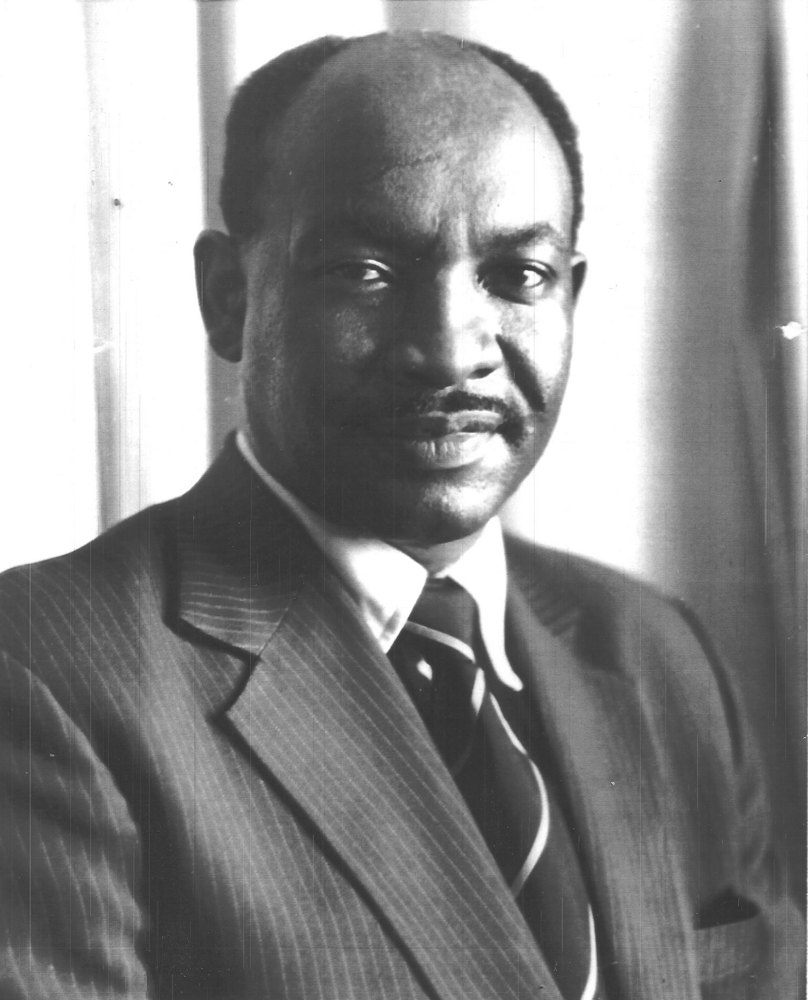
 Photo: upload.wikimedia.org
- Identity confirmed
- Date of birth checked
- Career history reviewed
- Awards & achievements audited
Joseph W. S. de Graft-Johnson
Former Vice-President of Ghana, Engineer • Politician
About Joseph W. S. de Graft-Johnson
Joseph William Swain de Graft-Johnson was an engineer and academic who became the first Vice-President of Ghana, under President Hilla Limann from 1979 to 1981. He was born in Cape Coast on 6 October 1933 and died in London on 22 April 1999.
He went to Mfantsipim School and studied civil engineering at the University of Leeds, took a master's in highway engineering at Birmingham and a PhD in soil mechanics at the University of California, Berkeley, in 1965. He lectured at KNUST, becoming an associate professor in 1968, and directed the Building and Road Research Institute from 1969. He was a founding member of the Ghana Institution of Engineers and its president in 1977 and 1978, when professional bodies led opposition to continued military rule.
He sat in the Constituent Assembly that wrote the 1979 Constitution, joined the People's National Party and became Vice-President when it won that year. After the coup of 31 December 1981 he went into exile in London. He was married to Lily Anna Sekyi and had five children, and is buried in Cape Coast.
Frequently asked questions about Joseph William Swain de Graft-Johnson
How old is Joseph W. S. de Graft-Johnson?
Joseph W. S. de Graft-Johnson is 92 years old, born October 6, 1933.
What is Joseph W. S. de Graft-Johnson known for?
Joseph W. S. de Graft-Johnson is a Former Vice-President of Ghana, Engineer.
What is Joseph W. S. de Graft-Johnson's nationality?
Joseph W. S. de Graft-Johnson is Ghanaian.
Personal Information
- Full Name
- Joseph William Swain de Graft-Johnson
- Date of Birth
- 6 October 1933
- Date of Death
- 22 April 1999
- Nationality
- Ghanaian
- Region
- Central
Offices Held
Related Personalities
 EBENEZER PRINCE ARHIN
Member of Parliament
EBENEZER PRINCE ARHIN
Member of Parliament
 John Setor Dumelo
Deputy Minister for Food & Agriculture
John Setor Dumelo
Deputy Minister for Food & Agriculture
 Cassiel Ato Baah Forson
Finance Minister, Member of Parliament
Cassiel Ato Baah Forson
Finance Minister, Member of Parliament
 Sebastian Ngmenenso Sandaare
Member of Parliament
Sebastian Ngmenenso Sandaare
Member of Parliament
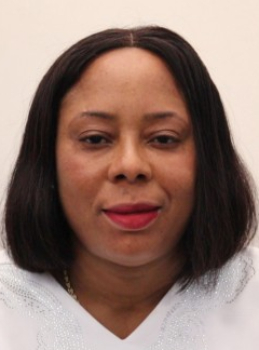 Linda Obenewaa Akweley Ocloo
Greater Accra Regional Minister
Linda Obenewaa Akweley Ocloo
Greater Accra Regional Minister
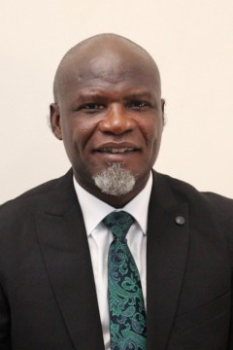 Philip Fiifi Buckman
Member of Parliament
Philip Fiifi Buckman
Member of Parliament
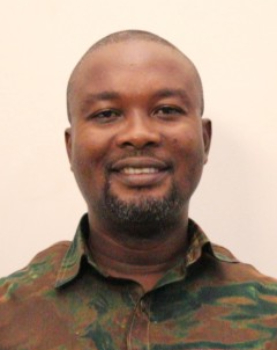 Othniel Ekow Kwainoe
Member of Parliament
Othniel Ekow Kwainoe
Member of Parliament
Compare Joseph W. S. de Graft-Johnson
Schools
Sources & References
Profile compiled from publicly available records. See our full source methodology →