

 Photo: yen.com.gh (Sirr Joe/Facebook)
- Identity confirmed
- Date of birth checked
- Career history reviewed
- Awards & achievements audited
Ammonia the Historian
Sports Historian, Radio Personality
About Ammonia the Historian
Richard Darko, popularly known as Ammonia the Historian, was a Ghanaian sports historian and radio personality. He was a familiar voice on Kumasi sports radio, appearing on Nhyira FM and Angel FM, where listeners knew him for his detailed recall of Ghanaian and African football history.
Broadcasting
Ammonia built his reputation as a guest and pundit who could recount old matches, line-ups and scorelines from memory, especially from the history of Asante Kotoko and the Black Stars. His final known public appearance was an interview on Nhyira FM on 7 October 2026, in which he discussed why Ghana struggles against smaller nations in AFCON qualifiers and revisited Kotoko's defeat to ASEC Mimosas in Kumasi in 1994.
Death
On 15 October 2026 broadcaster Sirr Joe announced on Facebook that Ammonia had died, writing: "Oh my God, Richard Darko, popularly known as Ammonia the 'Historian', is gone." Reports said he had recently returned to Ghana from Canada to focus on farming. The date, place and cause of his death were not made public.
This profile will be updated with funeral arrangements and further details as they become available.
Frequently asked questions about Richard Darko
What was Ammonia the Historian known for?
Ammonia the Historian was a Sports Historian, Radio Personality.
What was Ammonia the Historian's nationality?
Ammonia the Historian was Ghanaian.
Personal Information
- Full Name
- Richard Darko
- Date of Death
- October 2026
- Nationality
- Ghanaian
Related Personalities
 Attractive Mustapha
Entertainment Journalist, Blogger
 Berla Mundi
Media Personality, TV Presenter, Voice Actor
 Bola Ray
Broadcaster, CEO of EIB Network
 Deloris Frimpong Manso
Entrepreneur, Media Personality, Women's Advocate
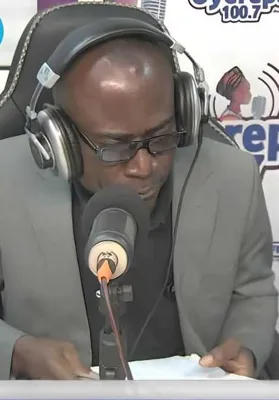 Elder Eric Koranteng
Radio Host, Sabbath Hour Presenter, Seventh-day Adventist Teacher
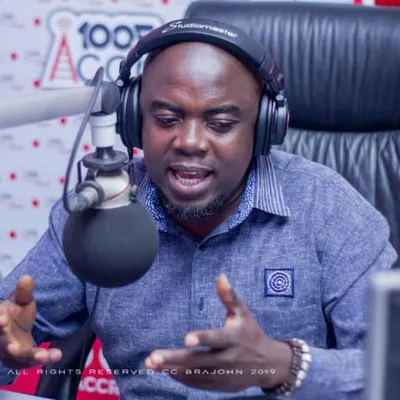 Kwabena Bobie Ansah
Radio Presenter, Accra FM Host, Broadcaster
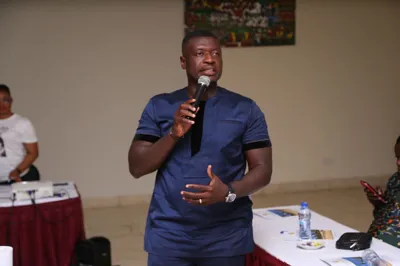 Lexis Bill
TV and Radio Presenter
Compare Ammonia the Historian
Sources & References
- "Richard Darko Ammonia Historian Popular Ghanaian Radio Personality Reportedly Passes Away". YEN.com.gh.
- "Ammonia Historian Veteran Radio Personalitys Public Appearance Death Emerges". YEN.com.gh.
Profile compiled from publicly available records. See our full source methodology →