

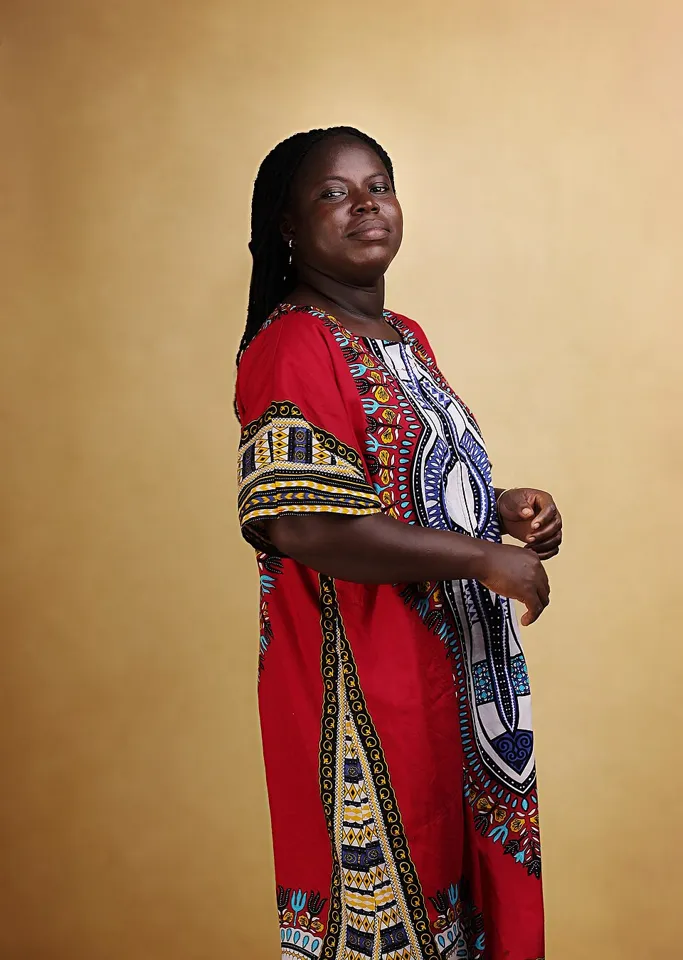
- Identity confirmed
- Date of birth checked
- Career history reviewed
- Awards & achievements audited
Anna Nana Ama Dadzie
Backing Vocalist, Singer, Composer
About Anna Nana Ama Dadzie
When Stevie Wonder played Accra in 2004, Nana Ama was one of his backing singers. By then she had sung on dozens of the hiplife and highlife records that defined the era, and she has since appeared on more than 100 songs.
Career
Anna Nana Ama Dadzie, also known as Adadziewaa, was born in Dansoman, Accra, on 20 October 1979. After Winneba Secondary School she studied music with the National Symphony Orchestra. From 1999, after vocal coaching from Nesbit Hanson Addy, she sang radio jingles, including Top Radio's, and then turned to session work full time; the producers who used her included Hammer, Zapp Mallet, Jay Q and Morris Babyface. In 2006 she sang on Grace Ashy's anthem for the Black Stars' World Cup campaign.
Her solo career began in October 2020, and her album The Lost Files of Nana Ama followed two years later. As PRO of the Ghana Background Vocalists Association she campaigns for fair pay, credits and royalties for session singers. The 3Music Women's Brunch gave her a lifetime achievement award in 2021. She is married to Obofour Raphel.
Frequently asked questions about Anna Nana Ama Dadzie
How old is Anna Nana Ama Dadzie?
Anna Nana Ama Dadzie is 47 years old, born October 20, 1979.
What is Anna Nana Ama Dadzie known for?
Anna Nana Ama Dadzie is a Backing Vocalist, Singer, Composer.
What is Anna Nana Ama Dadzie's nationality?
Anna Nana Ama Dadzie is Ghanaian.
Where did Anna Nana Ama Dadzie study?
Anna Nana Ama Dadzie studied at Winneba Secondary School.
Personal Information
- Date of Birth
- 20 October 1979
- Nationality
- Ghanaian
- Region
- Greater Accra
Education
- Winneba Secondary School
Awards & Achievements
Related Personalities






Compare Anna Nana Ama Dadzie
Sources & References
- "Anna Nana Ama Dadzie". Wikipedia.
- "Wikidata entry Q136831409". Wikidata.
Profile compiled from publicly available records. See our full source methodology →