

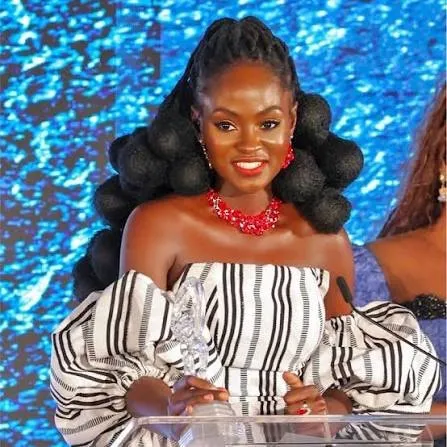
 Photo: web
- Identity confirmed
- Date of birth checked
- Career history reviewed
- Awards & achievements audited
Hamamat Montia
Entrepreneur and Model
About Hamamat Montia
Hamamat Montia is a Ghanaian model, entrepreneur and cultural advocate best known for her work promoting Ghanaian shea butter. Born on 22 July 1988 in Bolgatanga in the Upper East Region, she describes herself as a seventh-generation custodian of shea butter heritage.
Modelling
Montia attended Achimota School. She won Miss Malaika Ghana in 2006 and was crowned Model of Africa Universe in 2007. Essence magazine once included her in a list of the ten most beautiful women, and she built a strong following as a model who celebrated African beauty on her own terms.
Shea butter
Growing up, she saw how rural women in the north depended on shea butter production to survive while receiving little recognition or fair reward for their work. After modelling she turned to that industry, building a natural beauty business and establishing the Shea Butter Village and the Shea Butter Museum, initiatives that promote locally made products and traditional production methods.
Cultural ambassador
In February 2026 the Ministry of Tourism, Culture and Creative Arts appointed Montia as Ghana's Cultural Ambassador for Shea Butter. Pulse Ghana has described her as the woman redefining Ghana's shea butter heritage for the world, a fitting summary of a career that runs from pageant stages to the processing centres of the north.
Frequently asked questions about Hamamat Montia
How old is Hamamat Montia?
Hamamat Montia is 38 years old, born July 22, 1988.
What is Hamamat Montia known for?
Hamamat Montia is a Entrepreneur and Model.
What is Hamamat Montia's nationality?
Hamamat Montia is Ghanaian.
Personal Information
- Full Name
- Hamamat Montia
- Date of Birth
- 22 July 1988
- Nationality
- Ghanaian
- Region
- Upper East
Related Personalities
 Harold Norman
Businessman
 Harrison Boadu Barnoh
CEO of Eye360 Security
 Helen Amarquaye
Insurance Executive, Board Director
 Herbert Mensah
President of Rugby Africa, Businessman, Sports Administrator
 Hilda Nimo-Tieku
CEO of Jobberman Ghana
 Hillary Adare
CEO of Wonfliki
 Ibrahim Mahama
Businessman, CEO of Engineers and Planners
Compare Hamamat Montia
Schools
Sources & References
- "Hamamat Montia". Wikipedia.
Profile compiled from publicly available records. See our full source methodology →