

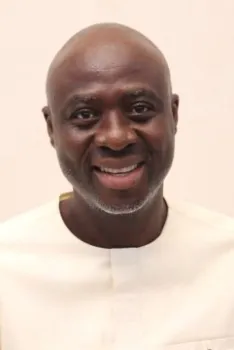
- Identity confirmed
- Date of birth checked
- Career history reviewed
- Awards & achievements audited
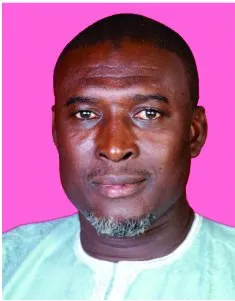
Isaac Boamah-Nyarko
Member of Parliament
About Isaac Boamah-Nyarko
Isaac Yaw Boamah-Nyarko is a Ghanaian lawyer, tax specialist and politician born on 22 March 1979 in Effiduase in the Western Region, who serves as the Member of Parliament for the Effia constituency. A member of the New Patriotic Party who won the seat in December 2024 after defeating the incumbent Minister for Public Enterprises in the party's primary, he brings one of the more extensively credentialled legal and tax professional backgrounds of any first-term MP in the Ninth Parliament to the representation of a constituency in the Effia-Kwesimintsim Municipal District of the Western Region.
Education
Boamah-Nyarko received his secondary education at two of Ghana's most prominent schools. He completed his Ordinary Level at Adisadel College in 1994 and his Advanced Level at Prempeh College in 1996, before entering the University for Development Studies where he earned a Bachelor of Arts in Integrated Development Studies in 2002. He subsequently obtained a Master of Science in Development Planning and Management from the Kwame Nkrumah University of Science and Technology in 2007, extending his academic formation into the applied disciplines of urban and rural development management. He then pursued a legal education, obtaining a Bachelor of Laws from the University of London and completing his professional legal training at the Ghana School of Law in 2015, qualifying him as a practising lawyer in Ghana.
Professional background and political career
He specialised in taxation and worked as an employee of the Ghana Revenue Authority, Ghana's principal tax collection and administration agency, where he also served as board secretary. His tax law expertise and his Ghana Revenue Authority experience gave him deep knowledge of Ghana's revenue systems and fiscal administration, expertise directly relevant to parliamentary oversight of public finance. He contested the NPP's parliamentary primaries for Effia in January 2024 and defeated the sitting Member of Parliament Joseph Cudjoe, who had been serving as Minister for Public Enterprises, a significant primary result that required him to build a constituency-wide delegate coalition against a ministerially incumbent MP. He won the Effia seat in December 2024, assuming office on 7 January 2025 on the NPP's minority bench.
Political Legacy
Isaac Boamah-Nyarko's multi-disciplinary academic background spanning development studies, planning and law, combined with his practical tax administration experience at the GRA, gives his parliamentary career a technical depth unusual among first-term MPs. His primary defeat of an incumbent minister gives his entry to Parliament an additional credential of competitive political performance.
Frequently asked questions about Isaac Boamah-Nyarko
What is Isaac Boamah-Nyarko's net worth?
Isaac Boamah-Nyarko has an estimated net worth of $500,000 (estimated).
How old is Isaac Boamah-Nyarko?
Isaac Boamah-Nyarko is 47 years old, born March 22, 1979.
What is Isaac Boamah-Nyarko known for?
Isaac Boamah-Nyarko is a Member of Parliament.
What is Isaac Boamah-Nyarko's nationality?
Isaac Boamah-Nyarko is Ghanaian.
Where did Isaac Boamah-Nyarko study?
Isaac Boamah-Nyarko studied at Ghana School of Law: Bachelor of Law University of London: Barchelor of Law (LLB) KNUST: MSc Development Planning and Management University for Development Studies: BA Integrated Development Studies Ghana School of Law: BL Prempeh College: A Level Adisadel College: O Level.
Personal Information
- Date of Birth
- 22 March 1979
- Nationality
- Ghanaian
- Constituency
- Effia
- Political Party
- New Patriotic Party
- Region
- Western
- Religion
- Christianity
Education
Connections
How Isaac Boamah-Nyarko is linked to other figures on Agyedin.
Related Personalities
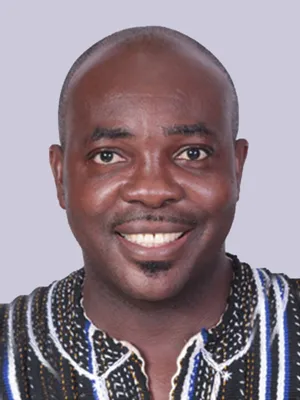 Isaac Kwame Asiamah
Former Member of Parliament
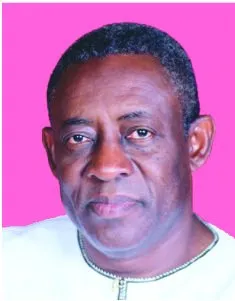 Isaac Osei
Former Member of Parliament
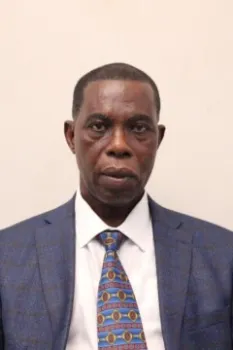 Isaac Yaw Opoku
Member of Parliament
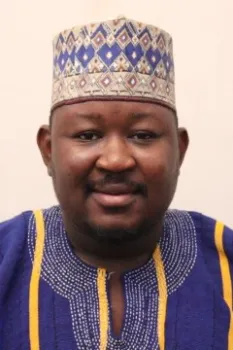 Issah Atta
Member of Parliament, Accountant
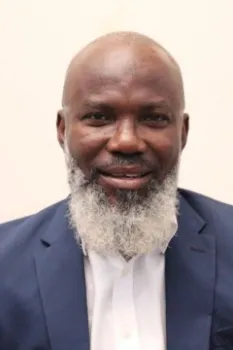 Issah Salifu Taylor
Member of Parliament for Tarkwa-Nsuaem, Miner
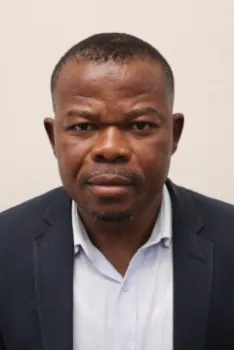 Issifu Mahmoud
Member of Parliament
 Issifu Pangabu Mohammed
Former Member of Parliament
Compare Isaac Boamah-Nyarko
Schools
Sources & References
- "Boamah Nyarko Isaac". GhanaMPs.
Profile compiled from publicly available records. See our full source methodology →