

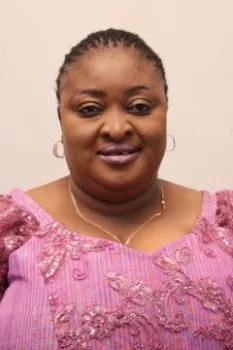
- Identity confirmed
- Date of birth checked
- Career history reviewed
- Awards & achievements audited
Theresa Lardi Awuni
Member of Parliament
About Theresa Lardi Awuni
Theresa Lardi Awuni won Okaikwei North for the NDC in 2020 after three terms as the constituency's women's organiser.
Background
Born on 2 January 1979, she traces her roots to Winkongo in the Upper East. She earned a BSc in project management at GIMPA in 2018 and a master's from Liverpool John Moores University, in international relations, in 2023. She worked as a principal disaster control officer at NADMO and runs Langdi Enterprise.
Politics
She was women's commissioner of TEIN, the NDC's tertiary wing, at GIMPA. In the August 2019 primary she took 342 of the 866 votes cast, beating three rivals, and she took the seat in the December 2020 election.
Frequently asked questions about Theresa Lardi Awuni
What is Theresa Lardi Awuni's net worth?
Theresa Lardi Awuni has an estimated net worth of $500,000 (estimated).
How old is Theresa Lardi Awuni?
Theresa Lardi Awuni is 47 years old, born January 2, 1979.
What is Theresa Lardi Awuni known for?
Theresa Lardi Awuni is a Member of Parliament.
What is Theresa Lardi Awuni's nationality?
Theresa Lardi Awuni is Ghanaian.
Where did Theresa Lardi Awuni study?
Theresa Lardi Awuni studied at GIMPA: BSc Project Management (2018) Liverpool John Moores University: MSc International Relations (2023).
Personal Information
- Date of Birth
- 2 January 1979
- Nationality
- Ghanaian
- Constituency
- Okaikwei North
- Political Party
- National Democratic Congress
- Region
- Greater Accra
- Religion
- Christian
Education
- GIMPA: BSc Project Management (2018)
- Liverpool John Moores University: MSc International Relations (2023)
Connections
How Theresa Lardi Awuni is linked to other figures on Agyedin.
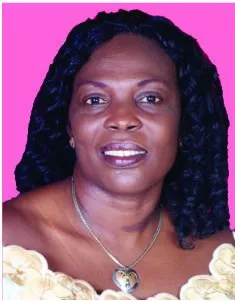

Related Personalities
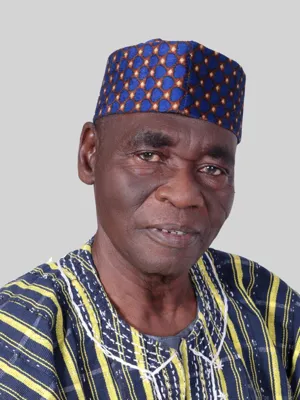 Thomas Adda Dalu
Former Member of Parliament
 Thomas Donkor Ogajah
Former Member of Parliament
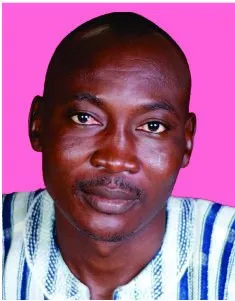 Thomas Kwesi Nasah
Former Member of Parliament
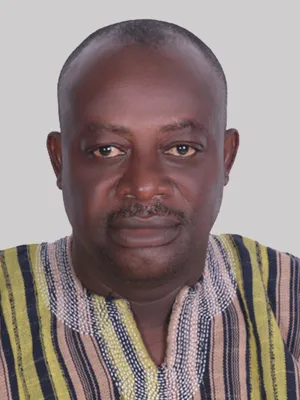 Thomas Mbomba
Former Member of Parliament
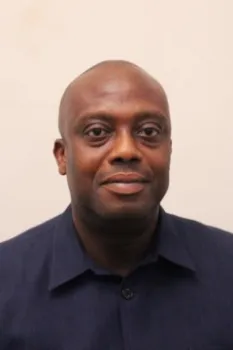 Thomas Nyarko Ampem
Deputy Minister for Finance
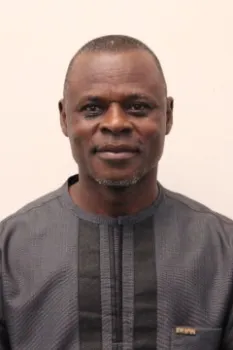 Thomas Winsum Anabah
Member of Parliament
 Thomas Worlanyo Tsekpo
Member of Parliament for Hohoe
Compare Theresa Lardi Awuni
Schools
Sources & References
- "Theresa Lardi Awuni". Wikipedia.
- "Theresa Lardi Awuni". GhanaMPs.
Profile compiled from publicly available records. See our full source methodology →