

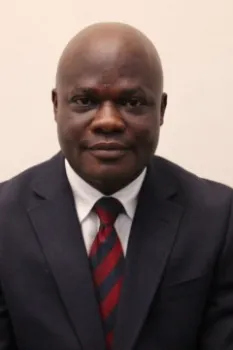
- Identity confirmed
- Date of birth checked
- Career history reviewed
- Awards & achievements audited
Ahmed Ibrahim
Minister for Works, Housing & Water Resources
About Ahmed Ibrahim
Ahmed Ibrahim is a Ghanaian political scientist, businessman and politician born on 6 May 1974, who serves as the Member of Parliament for the Banda constituency in the Bono Region and as Minister for Local Government, Chieftaincy and Religious Affairs in the government of President John Dramani Mahama. One of the NDC's most durable parliamentary figures in the Bono Region, he has held the Banda seat across multiple terms since 2009 and was rewarded for that longevity with a full cabinet appointment on the party's return to power in 2025.
Education
Ibrahim earned a Bachelor of Arts degree in Political Science and Philosophy from the University of Ghana in 2001, an academic formation in political theory and practical governance that has shaped his approach to parliamentary work across more than fifteen years. He subsequently obtained a Master of Business Administration degree with a specialisation in Finance from the Ghana Institute of Management and Public Administration in 2019, adding a postgraduate qualification in financial management to his existing expertise in political science as his ministerial responsibilities grew broader and more complex.
Parliamentary career
He was first elected Member of Parliament for Banda in the 2008 general elections, assuming office in January 2009 as part of the NDC's parliamentary intake that accompanied John Evans Atta Mills's presidential victory. He won re-election in 2012, 2016, 2020 and 2024, making him a five-term parliamentarian with continuous representation of the Banda constituency across what amounts to a generation of Ghanaian parliamentary life. Before his ministerial appointment, he served as the Deputy Minority Chief Whip in Parliament, a parliamentary management role that gave him oversight responsibility for the NDC caucus's attendance, discipline and procedural conduct during the party's opposition years.
As Minister for Local Government, Chieftaincy and Religious Affairs
On 24 January 2025, President Mahama appointed and swore him in as Minister for Local Government, Chieftaincy and Religious Affairs, a broad and politically sensitive portfolio covering the decentralisation of governance to Ghana's 261 districts, the management of the country's complex relationship between the state and traditional authority, and the government's engagement with the country's diverse religious communities. His academic background in political science and his decades of experience navigating constituency and parliamentary politics in the Bono Region made him a credible appointment for a ministry where political sensitivity, community relationships and administrative capacity all matter enormously.
Political Legacy
Ahmed Ibrahim's parliamentary longevity and his elevation to a full cabinet role represent the reward of sustained commitment to a single constituency across multiple electoral cycles. His career embodies the patient accumulation of political trust that durable parliamentary service requires.
Frequently asked questions about Ahmed Ibrahim
How old is Ahmed Ibrahim?
Ahmed Ibrahim is 52 years old, born May 6, 1974.
What is Ahmed Ibrahim known for?
Ahmed Ibrahim is a Minister for Works, Housing & Water Resources.
What is Ahmed Ibrahim's nationality?
Ahmed Ibrahim is Ghanaian.
Where did Ahmed Ibrahim study?
Ahmed Ibrahim studied at Sunyani Secondary School: W.a.e.c/gce/ "o" and "a" University of Ghana: BA Political Science GIMPA: MBA.
Personal Information
- Date of Birth
- 6 May 1974
- Nationality
- Ghanaian
- Constituency
- Banda
- Political Party
- National Democratic Congress
- Region
- Bono
- Religion
- Christian
Education
- Sunyani Secondary School: W.a.e.c/gce/ "o" and "a"
- University of Ghana: BA Political Science
- GIMPA: MBA
Related Personalities
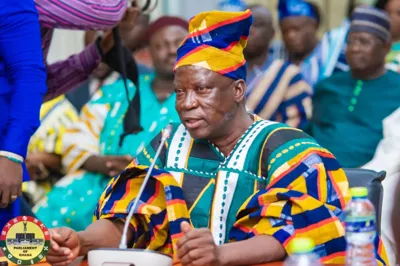 Akamugri Donatus Atanga
Upper East Regional Minister
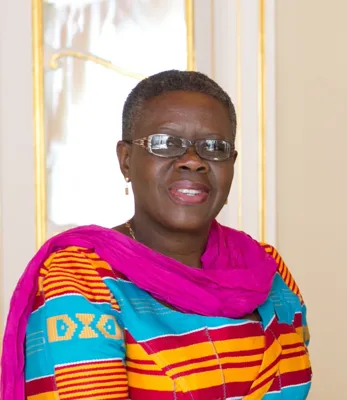 Akua Sena Dansua
Former Minister, Former Member of Parliament
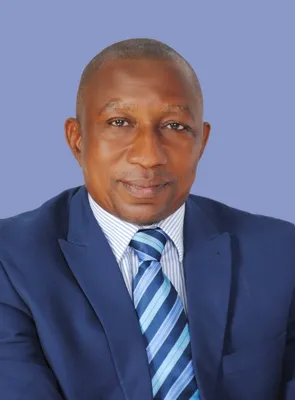 Akuka Albert Alalzuuga
Former Member of Parliament
 Akwasi Afrifa
Former Head of State, Army General
 Akwasi Darko Boateng
Former Member of Parliament
 Akwasi Gyamfi Onyina-Acheampong
Member of Parliament, Agribusiness Executive
 Akwasi Konadu
Member of Parliament
Compare Ahmed Ibrahim
Schools
Sources & References
- "Ibrahim Ahmed". GhanaMPs.
Profile compiled from publicly available records. See our full source methodology →