

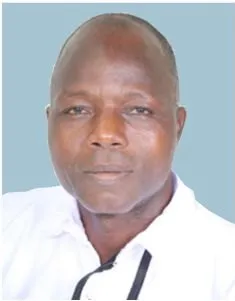
 Photo: ghanamps.com
- Identity confirmed
- Date of birth checked
- Career history reviewed
- Awards & achievements audited
Charles Binipom Bintin
Former Member of Parliament
About Charles Binipom Bintin
Charles Binipom Bintin is a teacher and New Patriotic Party (NPP) politician who represented Saboba in the Northern Region and served in the Kufuor government as a district chief executive and deputy regional minister. He was born on 22 August 1964 at Kuntuli-Saboba.
Bintin studied adult education at the University of Ghana and did postgraduate work at the University of Cape Coast. He taught at Evangelical Presbyterian Secondary School from 1999 to 2001, then served as District Chief Executive for Saboba-Chereponi and as Deputy Northern Regional Minister from 2003 to 2005. He first won Saboba in 2004 and was elected again in 2016. He is married with three children. Joseph Bukari Nikpe of the NDC holds the seat today.
Frequently asked questions about Charles Binipom Bintin
How old is Charles Binipom Bintin?
Charles Binipom Bintin is 62 years old, born August 22, 1964.
What is Charles Binipom Bintin known for?
Charles Binipom Bintin is a Former Member of Parliament.
What is Charles Binipom Bintin's nationality?
Charles Binipom Bintin is Ghanaian.
Where did Charles Binipom Bintin study?
Charles Binipom Bintin studied at University of Cape Coast University of Ghana.
Personal Information
- Full Name
- Charles Binipom Bintin
- Date of Birth
- 22 August 1964
- Nationality
- Ghanaian
- Constituency
- Saboba
- Political Party
- New Patriotic Party
- Region
- Northern
- Religion
- Christian
Education
Connections
How Charles Binipom Bintin is linked to other figures on Agyedin.
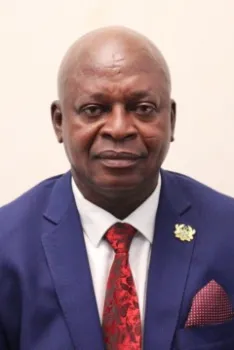
Related Personalities
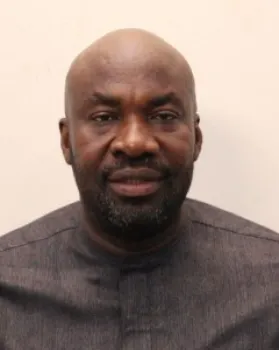 Charles Forson
Member of Parliament
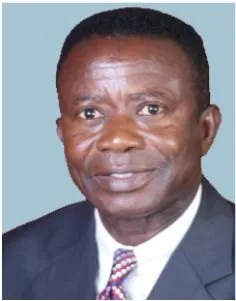 Charles Hodogbey
Former Member of Parliament
 Charles Konadu-Yiadom
Former Member of Parliament
 Charles Lwanga Puozuing
Upper West Regional Minister
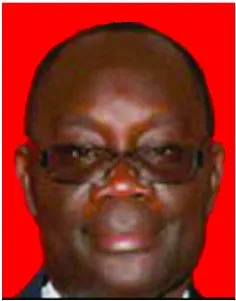 Charles Obeng-Inkoom
Former Member of Parliament
 Christian Corleytey Otuteye
Former Member of Parliament
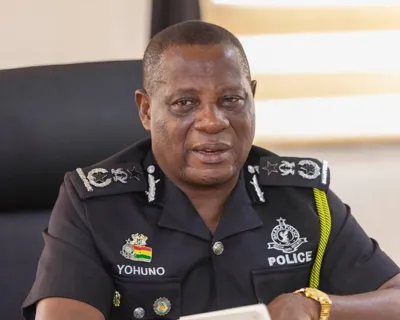 Christian Tetteh Yohuno
Inspector General of Police
Compare Charles Binipom Bintin
Schools
Sources & References
- "Charles Binipom Bintin". Wikipedia. Archived from the original on 10 December 2024.
- "List of MPs elected in the 2024 Ghanaian general election". Wikipedia. Archived from the original on 9 January 2026.
Profile compiled from publicly available records. See our full source methodology →