

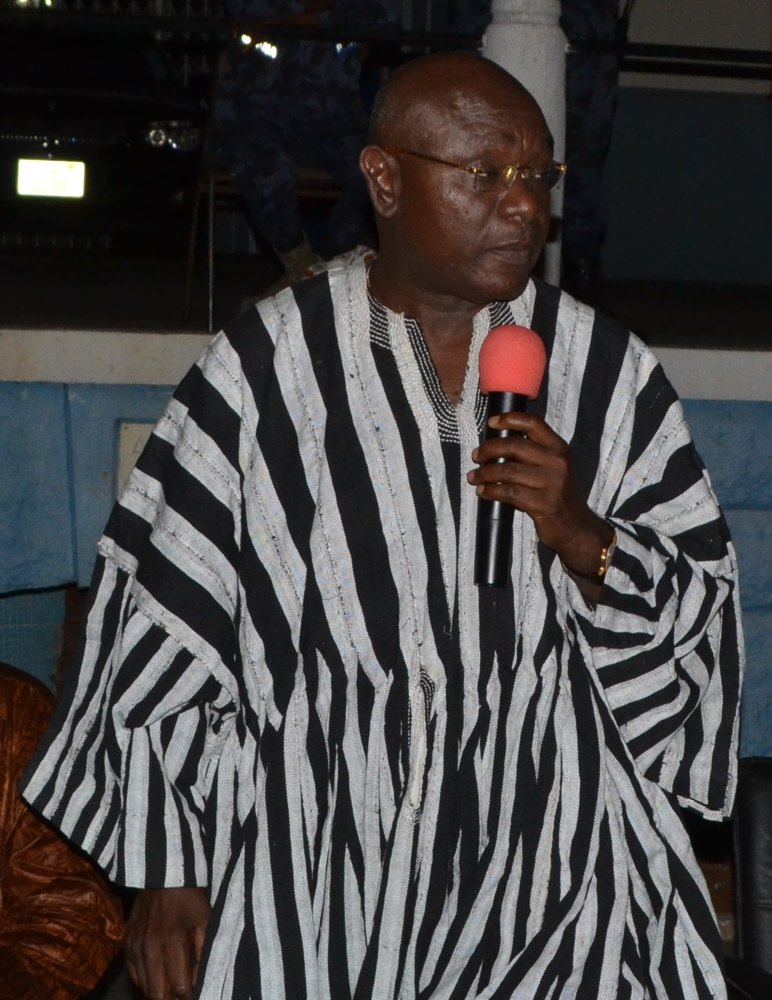
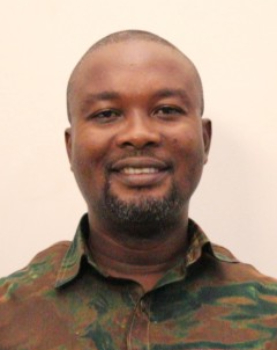
 Photo: upload.wikimedia.org
- Identity confirmed
- Date of birth checked
- Career history reviewed
- Awards & achievements audited
Edward Doe Adjaho
Former Member of Parliament • Politician
About Edward Doe Adjaho
Edward Doe Adjaho is a lawyer who was Speaker of Ghana's Parliament from 2013 to 2017, the first Speaker of the Fourth Republic elected from among sitting MPs. Before that he represented Avenor-Ave, later Akatsi South, in the Volta Region for the National Democratic Congress (NDC) for twenty years. He was born on 3 January 1957.
Twenty years in the House
Adjaho attended Accra Academy, studied law at the University of Ghana and was called to the Bar in 1986, working at the Attorney-General's Department. He won his seat in the 1992 election and held it through the first five parliaments of the Fourth Republic, one of the few MPs to do so. From 2009 to 2013 he was First Deputy Speaker, and he was also a member of the Pan-African Parliament.
Speaker
On 7 January 2013 he was elected Speaker, succeeding Joyce Bamford-Addo, and became the fifth Speaker of the Fourth Republic. Under the Constitution he gave up his seat, and Bernard Ahiafor won the by-election that followed. He served as Speaker until January 2017.
Frequently asked questions about Edward Korbly Doe Adjaho
How old is Edward Doe Adjaho?
Edward Doe Adjaho is 69 years old, born January 3, 1957.
What is Edward Doe Adjaho known for?
Edward Doe Adjaho is a Former Member of Parliament.
What is Edward Doe Adjaho's nationality?
Edward Doe Adjaho is Ghanaian.
Personal Information
- Full Name
- Edward Korbly Doe Adjaho
- Date of Birth
- 3 January 1957
- Nationality
- Ghanaian
- Constituency
- Akatsi South
- Political Party
- National Democratic Congress
- Region
- Volta
Connections
How Edward Doe Adjaho is linked to other figures on Agyedin.
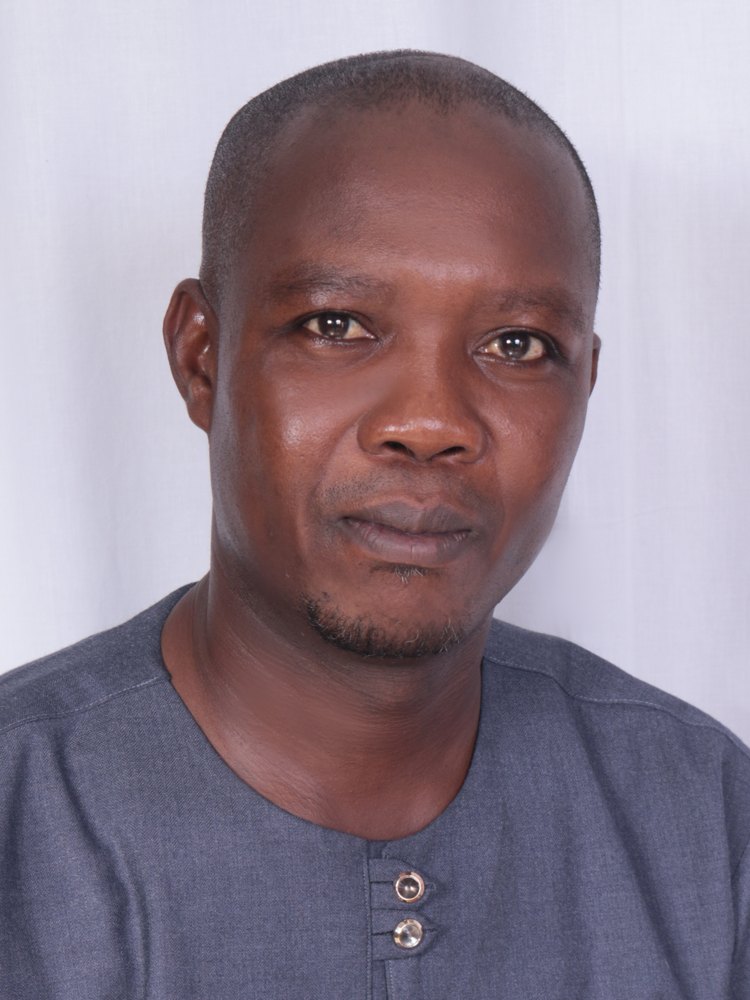
Related Personalities
 EBENEZER PRINCE ARHIN
Member of Parliament
EBENEZER PRINCE ARHIN
Member of Parliament
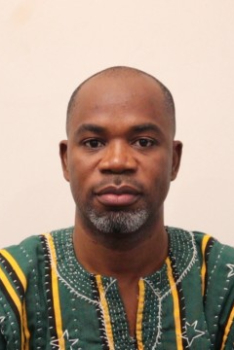
 Sebastian Ngmenenso Sandaare
Member of Parliament
Sebastian Ngmenenso Sandaare
Member of Parliament
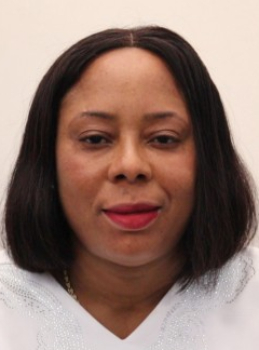 Linda Obenewaa Akweley Ocloo
Greater Accra Regional Minister
Linda Obenewaa Akweley Ocloo
Greater Accra Regional Minister
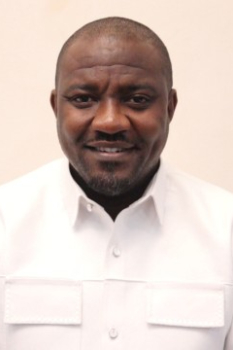 John Setor Dumelo
Deputy Minister for Food & Agriculture
John Setor Dumelo
Deputy Minister for Food & Agriculture
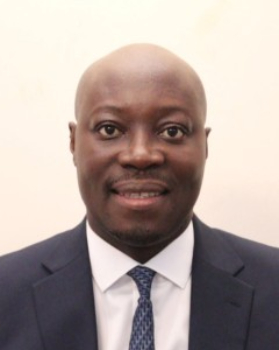 Cassiel Ato Baah Forson
Finance Minister, Member of Parliament
Cassiel Ato Baah Forson
Finance Minister, Member of Parliament
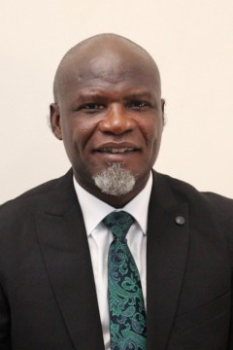 Philip Fiifi Buckman
Member of Parliament
Philip Fiifi Buckman
Member of Parliament
 Othniel Ekow Kwainoe
Member of Parliament
Othniel Ekow Kwainoe
Member of Parliament
Compare Edward Doe Adjaho
Sources & References
- https://en.wikipedia.org/wiki/Edward_Adjaho
- https://en.wikipedia.org/wiki/List_of_MPs_elected_in_the_2024_Ghanaian_general_election
Profile compiled from publicly available records. See our full source methodology →