


- Identity confirmed
- Date of birth checked
- Career history reviewed
- Awards & achievements audited
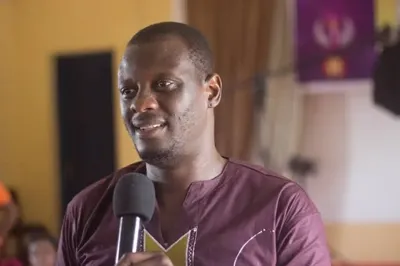
Kwesi Arthur
Rapper, Singer
About Kwesi Arthur
Kwesi Arthur finished school at Tema Secondary in 2013 and could not afford university; he was about to take a job as a security guard. Four years later "Grind Day" made him a star, and its remix brought in Sarkodie and Medikal.
Background
Emmanuel Kwesi Danso Arthur was born on 18 December 1999 and grew up in Tema Community 9, the second of four children; his brother Dayonthetrack is also a musician. He started writing raps after hearing Drake's Thank Me Later.
Music
"Grind Day" led his debut EP, Live from Nkrumah Krom (2017), released independently with support from the GroundUp Chale movement. The sequel EP in 2019 passed 2 million streams in its first week. The BET Awards shortlisted him for its viewers' choice international act prize in 2018, and he was later picked for a BET Hip Hop Awards cypher. The Ghana Music Awards gave him their hip-hop song prize two years running, in 2018 and 2019, and has worked with KiDi, Stonebwoy, Shatta Wale and Nasty C. "Live from the 233" (2020) was among the most-streamed African songs on Apple Music.
Frequently asked questions about Emmanuel Kwesi Danso Arthur
What is Kwesi Arthur's net worth?
Kwesi Arthur has an estimated net worth of $1 million (estimated).
How old is Kwesi Arthur?
Kwesi Arthur is 26 years old, born December 18, 1999.
What is Kwesi Arthur known for?
Kwesi Arthur is a Rapper, Singer.
What is Kwesi Arthur's nationality?
Kwesi Arthur is Ghanaian.
Where did Kwesi Arthur study?
Kwesi Arthur studied at Tema Secondary School (2013).
Personal Information
- Full Name
- Emmanuel Kwesi Danso Arthur
- Date of Birth
- 18 December 1999
- Nationality
- Ghanaian
- Region
- Greater Accra
- Religion
- Pentecostalism
Education
- Tema Secondary School (2013)
Awards & Achievements
Related Personalities






Compare Kwesi Arthur
Sources & References
- "Kwesi Arthur". Wikipedia.
Profile compiled from publicly available records. See our full source methodology →