

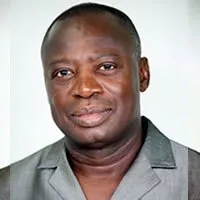
 Photo: ghanamps.com
- Identity confirmed
- Date of birth checked
- Career history reviewed
- Awards & achievements audited
Francis Bawaana Dakura
Former Member of Parliament
About Francis Bawaana Dakura
Dr Francis Bawaana Dakura is an academic and National Democratic Congress (NDC) politician who represented Jirapa in the Upper West Region from 2017 to 2021. He was born on 17 October 1961.
Dakura was educated largely in the United Kingdom: a BA from Havering College, a master's degree from Goldsmiths College, University of London, and an MLitt and PhD from the University of St Andrews in Scotland. He is also a chartered secretary. He won Jirapa in 2016 with 59 percent of the vote. Cletus Seidu Dapilah of the NDC holds the seat today.
Frequently asked questions about Francis Bawaana Dakura
How old is Francis Bawaana Dakura?
Francis Bawaana Dakura is 65 years old, born October 17, 1961.
What is Francis Bawaana Dakura known for?
Francis Bawaana Dakura is a Former Member of Parliament.
What is Francis Bawaana Dakura's nationality?
Francis Bawaana Dakura is Ghanaian.
Where did Francis Bawaana Dakura study?
Francis Bawaana Dakura studied at University of St Andrews University of London Havering College of Further and Higher Education Institute of Social Sciences.
Personal Information
- Full Name
- Francis Bawaana Dakura
- Date of Birth
- 17 October 1961
- Nationality
- Ghanaian
- Constituency
- Jirapa
- Political Party
- National Democratic Congress
- Region
- Upper West
Education
- University of St Andrews
- University of London
- Havering College of Further and Higher Education
- Institute of Social Sciences
Connections
How Francis Bawaana Dakura is linked to other figures on Agyedin.
Related Personalities
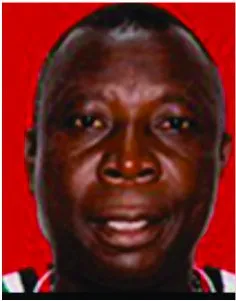 Francis Kabenlah Anaman
Former Member of Parliament
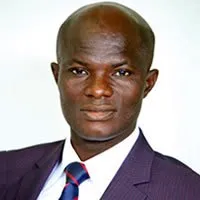 Francis Kingsley Ato Codjoe
Former Member of Parliament
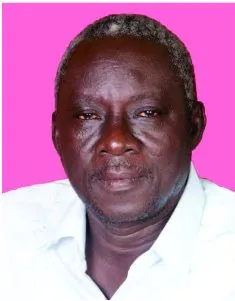 Francis Kojo Arthur
Former Member of Parliament
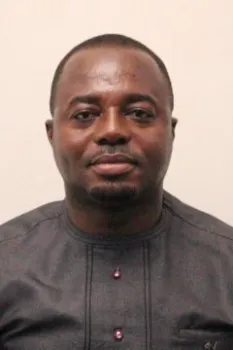 Francis Kwabena Berepong Owusu-Akyaw
Member of Parliament, Minerals Consultant
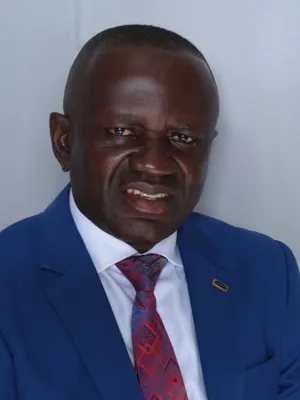 Francis Manu-Adabor
Former Member of Parliament
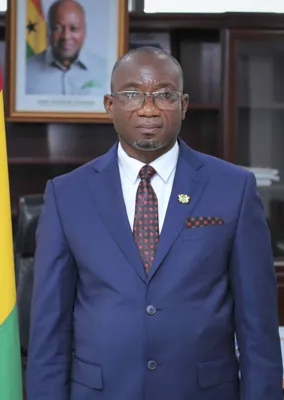 Francis Owusu Antwi
Bono East Regional Minister
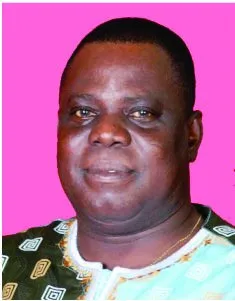 Francis Yaw Osei Sarfo
Former Member of Parliament
Compare Francis Bawaana Dakura
Sources & References
- "Francis Bawaana Dakura". Wikipedia. Archived from the original on 27 May 2025.
- "List of MPs elected in the 2024 Ghanaian general election". Wikipedia. Archived from the original on 9 January 2026.
Profile compiled from publicly available records. See our full source methodology →