

 Photo: upload.wikimedia.org
- Identity confirmed
- Date of birth checked
- Career history reviewed
- Awards & achievements audited
Ebenezer Kojo Kum
Former Member of Parliament
About Ebenezer Kojo Kum
Ebenezer Kojo Kum is a lawyer and former cultural officer who represented Ahanta West in the Western Region for the New Patriotic Party (NPP) from 2017 to 2025. He was born on 17 April 1967 in Dixcove.
Culture and law
Kum studied at the University of Cape Coast, earning a BA and a diploma in education in 1991. For more than a decade, from 1992 to 2005, he worked at the Centre for National Culture, rising to deputy director. He trained in law at the Ghana School of Law and worked at Kendicks Law Firm, where he became associate partner and then general manager until 2016.
Parliament
He won Ahanta West in 2016 with 68 percent of the vote, and in 2020 held off Dr Emmanuel Okumi Andoh, a former pro-vice-chancellor of Takoradi Technical University. Mavis Kuukua Bissue of the National Democratic Congress won the seat in 2024.
Frequently asked questions about Ebenezer Kojo Kum
How old is Ebenezer Kojo Kum?
Ebenezer Kojo Kum is 59 years old, born April 17, 1967.
What is Ebenezer Kojo Kum known for?
Ebenezer Kojo Kum is a Former Member of Parliament.
What is Ebenezer Kojo Kum's nationality?
Ebenezer Kojo Kum is Ghanaian.
Where did Ebenezer Kojo Kum study?
Ebenezer Kojo Kum studied at Ghana School of Law University of Cape Coast.
Personal Information
- Date of Birth
- 17 April 1967
- Nationality
- Ghanaian
- Constituency
- Ahanta West
- Political Party
- New Patriotic Party
- Region
- Western
- Religion
- Christian
Education
Connections
How Ebenezer Kojo Kum is linked to other figures on Agyedin.

Related Personalities
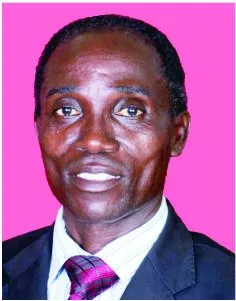
 Ebenezer Kwaku Addo
Member of Parliament
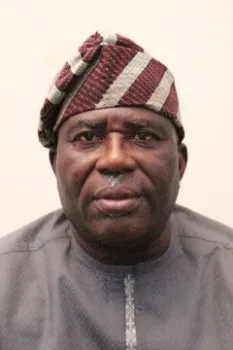 Ebenezer Okletey Terlabi
Deputy Minister of Defence, Member of Parliament
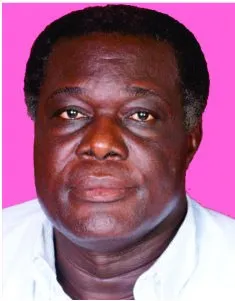 Ebo Barton-Odro
Former Member of Parliament
 Edem Agbana
Member of Parliament
 Edward Abambire Bawa
Former Member of Parliament
 Edward Doe Adjaho
Former Member of Parliament
 Edward Kaale-Ewola Dery
Former Member of Parliament
Compare Ebenezer Kojo Kum
Schools
Sources & References
- "Ebenezer Kojo Kum". Wikipedia. Archived from the original on 3 February 2026.
- "List of MPs elected in the 2024 Ghanaian general election". Wikipedia. Archived from the original on 9 January 2026.
Profile compiled from publicly available records. See our full source methodology →