

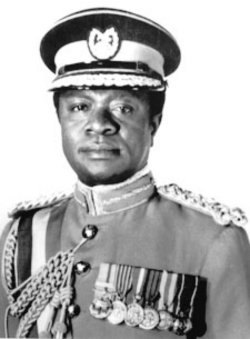
 Photo: upload.wikimedia.org
- Identity confirmed
- Date of birth checked
- Career history reviewed
- Awards & achievements audited
Ignatius Kutu Acheampong
Former Head of State, Army General • Politician
About Ignatius Kutu Acheampong
Ignatius Kutu Acheampong was an army officer who ruled Ghana from 1972 to 1978, first as chairman of the National Redemption Council and then of the Supreme Military Council. He was born on 23 September 1931 to Catholic parents of Ashanti origin and was executed on 16 June 1979.
He worked as a stenographer and taught at commercial colleges before training at Aldershot and joining the Ghana Army in 1959, and he served with the UN in the Congo. Under the National Liberation Council he was Western Regional Commissioner. On 13 January 1972, as a colonel commanding the First Infantry Brigade, he led a bloodless coup against the elected Busia government.
His government brought Nkrumah's body home for burial in 1972, switched Ghana to driving on the right and to the metric system, and ran Operation Feed Yourself. It was also dogged by accusations of corruption, inflation and shortages. His plan for a no-party "Union Government" provoked student protests and a disputed referendum in 1978, and in July that year his colleagues removed him in a palace coup led by Fred Akuffo. After the uprising of 4 June 1979 he was court-martialled and executed by firing squad.
Frequently asked questions about Ignatius Kutu Acheampong
How old is Ignatius Kutu Acheampong?
Ignatius Kutu Acheampong is 95 years old, born September 23, 1931.
What is Ignatius Kutu Acheampong known for?
Ignatius Kutu Acheampong is a Former Head of State, Army General.
What is Ignatius Kutu Acheampong's nationality?
Ignatius Kutu Acheampong is Ghanaian.
Personal Information
- Date of Birth
- 23 September 1931
- Date of Death
- 16 June 1979
- Nationality
- Ghanaian
- Region
- Ashanti
- Religion
- Christian
Offices Held
Related Personalities
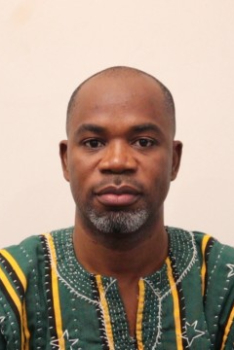 EBENEZER PRINCE ARHIN
Member of Parliament
EBENEZER PRINCE ARHIN
Member of Parliament
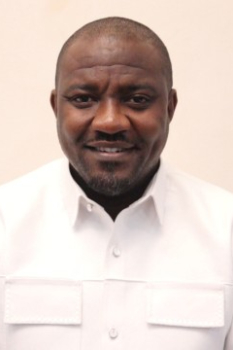 John Setor Dumelo
Deputy Minister for Food & Agriculture
John Setor Dumelo
Deputy Minister for Food & Agriculture
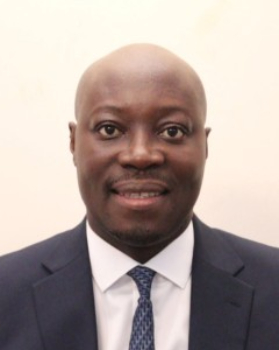 Cassiel Ato Baah Forson
Finance Minister, Member of Parliament
Cassiel Ato Baah Forson
Finance Minister, Member of Parliament
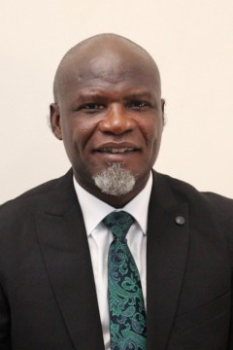 Philip Fiifi Buckman
Member of Parliament
Philip Fiifi Buckman
Member of Parliament
 Linda Obenewaa Akweley Ocloo
Greater Accra Regional Minister
Linda Obenewaa Akweley Ocloo
Greater Accra Regional Minister
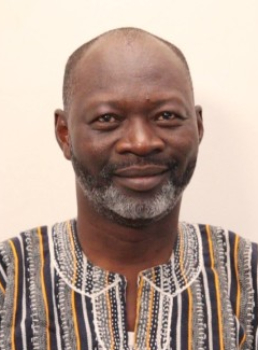 Sebastian Ngmenenso Sandaare
Member of Parliament
Sebastian Ngmenenso Sandaare
Member of Parliament
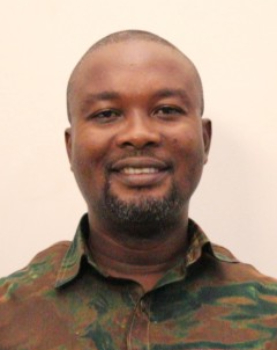 Othniel Ekow Kwainoe
Member of Parliament
Othniel Ekow Kwainoe
Member of Parliament
Compare Ignatius Kutu Acheampong
Sources & References
Profile compiled from publicly available records. See our full source methodology →