

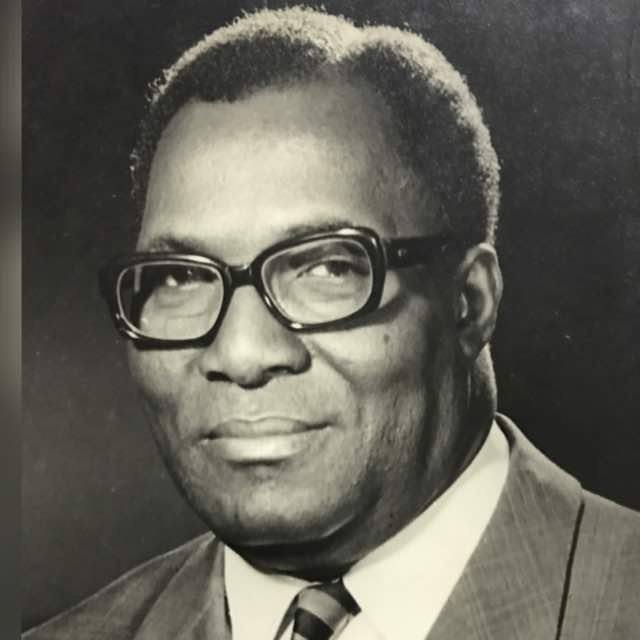
 Photo: upload.wikimedia.org
- Identity confirmed
- Date of birth checked
- Career history reviewed
- Awards & achievements audited
Samuel Azu Crabbe
Former Chief Justice of Ghana • Lawyer
About Samuel Azu Crabbe
Samuel Azu Crabbe was Chief Justice of Ghana from 1973 to 1977 and later chaired the board that investigated the 1982 murder of three High Court judges. He was born at James Town in Accra on 18 November 1918 and died at Aburi on 15 September 2005.
He was head boy of Accra Academy in 1939, went on to Achimota College and took a law degree at University College London in 1946, being called to the bar at the Middle Temple in 1948. A keen sportsman, he captained football, hockey and cricket teams as a student and later twice served as president of the Ghana Olympic Committee.
He became a High Court judge in 1959 and a Supreme Court judge in 1961. After the 1966 coup he chaired the commission that probed Kwame Nkrumah's assets. The Acheampong regime made him Chief Justice in 1973, but the Ghana Bar Association passed a vote of no confidence in him, and in 1977 the government issued a decree that retired him by name. Under the PNDC he chaired the Special Investigation Board into the abduction and killing of three judges and a retired army officer in June 1982. It recommended ten people for prosecution, including PNDC members, and he and his family faced threats while it worked. He wrote Law of Wills in Ghana.
Frequently asked questions about Samuel Azu Crabbe
How old is Samuel Azu Crabbe?
Samuel Azu Crabbe is 107 years old, born November 18, 1918.
What is Samuel Azu Crabbe known for?
Samuel Azu Crabbe is a Former Chief Justice of Ghana.
What is Samuel Azu Crabbe's nationality?
Samuel Azu Crabbe is Ghanaian.
Personal Information
- Date of Birth
- 18 November 1918
- Date of Death
- 15 September 2005
- Nationality
- Ghanaian
- Region
- Greater Accra
Related Personalities
 Gertrude Araba Esaaba Torkornoo
Former Chief Justice of Ghana
Gertrude Araba Esaaba Torkornoo
Former Chief Justice of Ghana
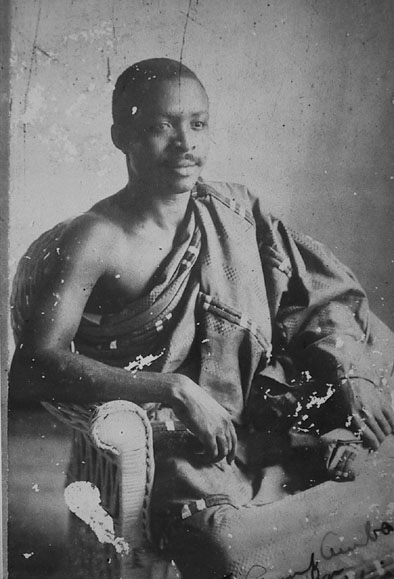 Kobina Sekyi
Gold Coast Lawyer, Writer
Kobina Sekyi
Gold Coast Lawyer, Writer
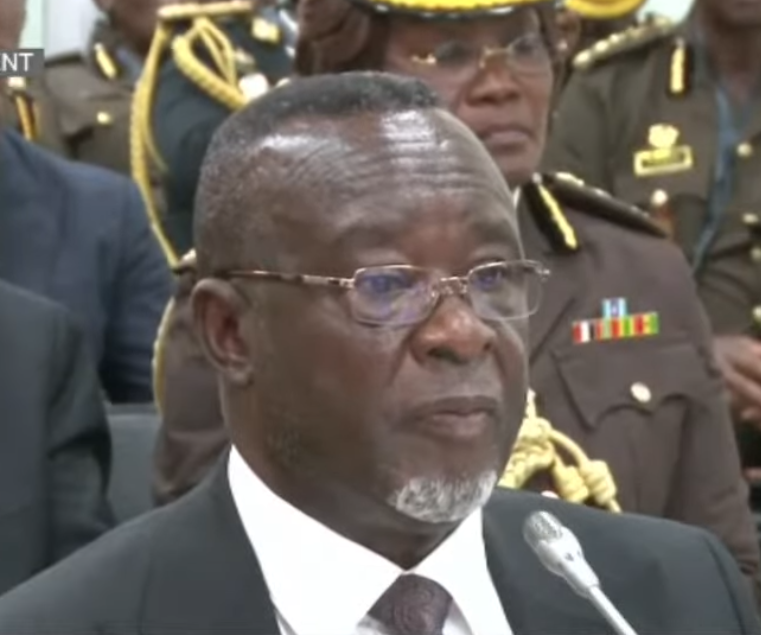 Paul Baffoe-Bonnie
Chief Justice of Ghana
Paul Baffoe-Bonnie
Chief Justice of Ghana
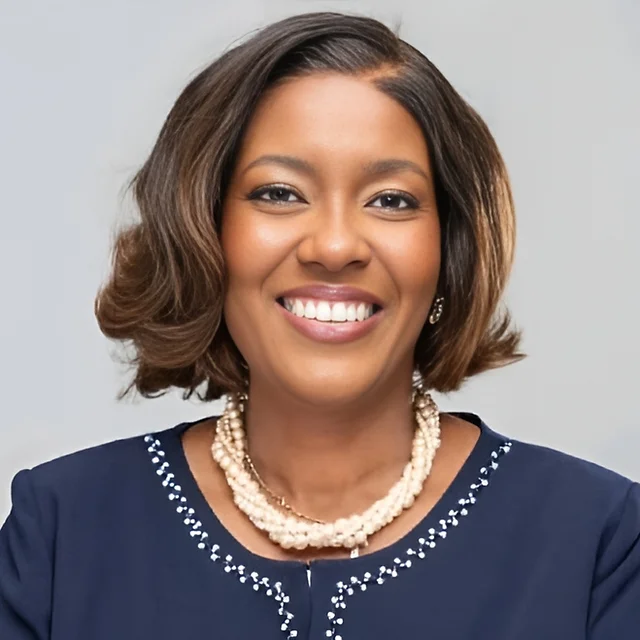 Efua Ghartey
Ghanaian lawyer and public figure
Efua Ghartey
Ghanaian lawyer and public figure
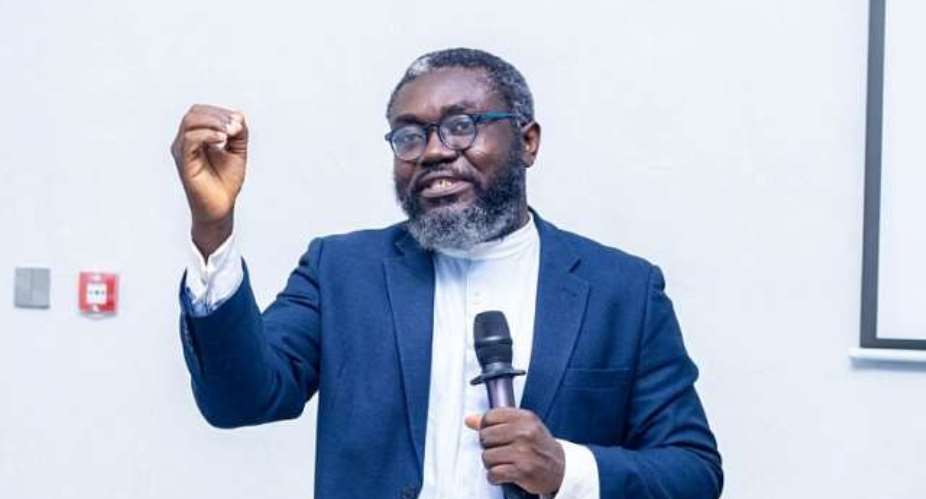 Oliver Mawuse Barker-Vormawor
Lawyer and Lead Convenor, #FixTheCountry
Kobena Eyi Acquah
Poet, Lawyer
Oliver Mawuse Barker-Vormawor
Lawyer and Lead Convenor, #FixTheCountry
Kobena Eyi Acquah
Poet, Lawyer
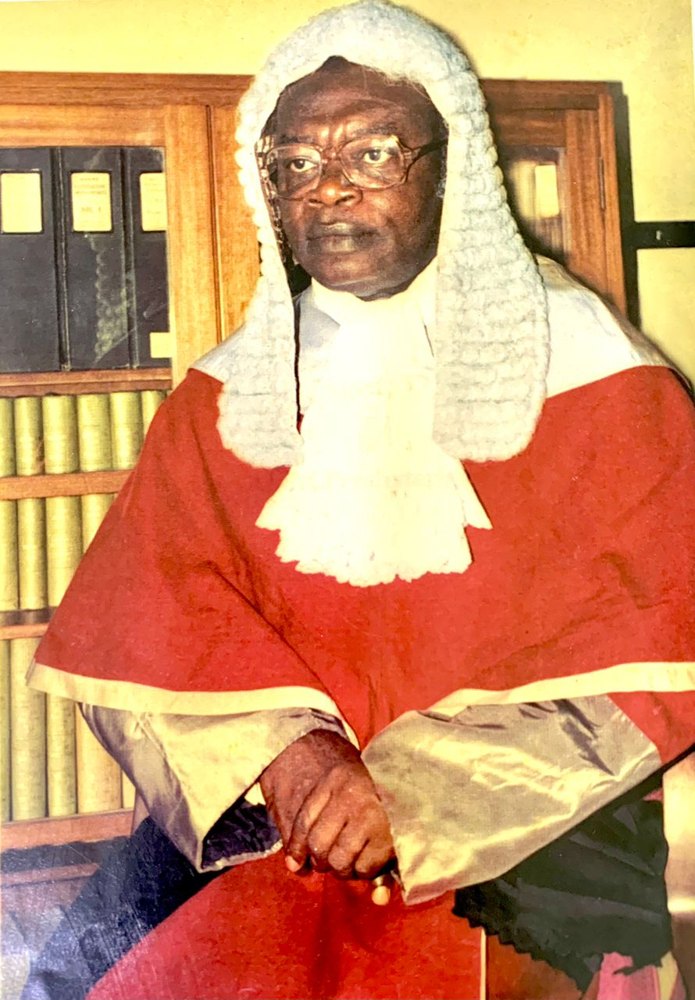 Josiah Ofori Boateng
Former Supreme Court Justice, Former Electoral Commissioner
Josiah Ofori Boateng
Former Supreme Court Justice, Former Electoral Commissioner
Compare Samuel Azu Crabbe
Sources & References
- https://en.wikipedia.org/wiki/Samuel_Azu_Crabbe
Profile compiled from publicly available records. See our full source methodology →