

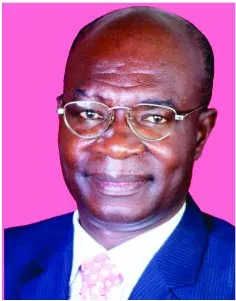
 Photo: ghanamps.com
- Identity confirmed
- Date of birth checked
- Career history reviewed
- Awards & achievements audited
Kojo Appiah-Kubi
Former Member of Parliament
About Kojo Appiah-Kubi
Dr Kojo Appiah-Kubi is an economist and management consultant who represented Atwima-Kwanwoma in the Ashanti Region for the New Patriotic Party (NPP) from 2009 to 2021. He was born in June 1956 and comes from Atwima Twedie.
Planning economist
Appiah-Kubi earned a PhD in business administration and economics from the University of Mainz in Germany in 1994. Back in Ghana he became director of policy planning and development at the National Development Planning Commission, the state agency that draws up the country's medium-term development plans.
Parliament
He won Atwima-Kwanwoma in 2008 with more than 80 percent of the vote and represented it for three terms, becoming one of the NPP caucus's voices on economic policy. He is a Catholic, married with five children. Kofi Amankwa-Manu now represents the constituency.
Frequently asked questions about Kojo Appiah-Kubi
How old is Kojo Appiah-Kubi?
Kojo Appiah-Kubi is 70 years old, born July 15, 1956.
What is Kojo Appiah-Kubi known for?
Kojo Appiah-Kubi is a Former Member of Parliament.
What is Kojo Appiah-Kubi's nationality?
Kojo Appiah-Kubi is Ghanaian.
Where did Kojo Appiah-Kubi study?
Kojo Appiah-Kubi studied at Johannes Gutenberg University Mainz.
Personal Information
- Date of Birth
- 15 July 1956
- Nationality
- Ghanaian
- Constituency
- Atwima Kwanwoma
- Political Party
- New Patriotic Party
- Region
- Ashanti
- Religion
- Christian
Education
- Johannes Gutenberg University Mainz
Connections
How Kojo Appiah-Kubi is linked to other figures on Agyedin.

Related Personalities
 Kojo Asemanyi
Former Member of Parliament
 Kojo Bamba
First National Vice Chairman of the NPP
 Kojo Oppong Nkrumah
MP for Ofoase-Ayirebi, Former Information Minister, Lawyer
 Korkor Laurette Asante
Member of Parliament, Lawyer
 Kow Nkensen Arkaah
Former Vice-President of Ghana
 Kumchacha
Pastor, Founder of Heaven's Gate Ministries
 Kwabena Amankwa Asiamah
Former Member of Parliament
Compare Kojo Appiah-Kubi
Sources & References
- "Kojo Appiah-Kubi". Wikipedia. Archived from the original on 9 December 2025.
- "List of MPs elected in the 2024 Ghanaian general election". Wikipedia. Archived from the original on 9 January 2026.
Profile compiled from publicly available records. See our full source methodology →