


- Identity confirmed
- Date of birth checked
- Career history reviewed
- Awards & achievements audited
Abdul-Salam Adams
Member of Parliament
About Abdul-Salam Adams
Adams Abdul-Salam won New Edubiase back for the NDC in 2020, beating sitting NPP MP George Boahen Oduro by 19,961 votes to 17,913.
Background
He was born in New Edubiase on 16 December 1985. After Kumasi High School (2003) he studied political studies at KNUST, graduating in 2009, and earned a master's in rural development, focused on rural policy, at Brandon University in Canada in 2016.
Career
In Canada he worked as a rural policy officer at the Rural Development Institute and as a research associate in Brandon University's rural community and mental health lab. Back home he was an administrative officer at New Edubiase United and now sits on the club's board. He was unopposed in the NDC primary in August 2019.
Frequently asked questions about Adams Abdul-Salam
What is Abdul-Salam Adams's net worth?
Abdul-Salam Adams has an estimated net worth of $500,000 (estimated).
How old is Abdul-Salam Adams?
Abdul-Salam Adams is 40 years old, born December 16, 1985.
What is Abdul-Salam Adams known for?
Abdul-Salam Adams is a Member of Parliament.
What is Abdul-Salam Adams's nationality?
Abdul-Salam Adams is Ghanaian.
Where did Abdul-Salam Adams study?
Abdul-Salam Adams studied at Kumasi High School (2003) KNUST: BA Political Studies (2009) Brandon University, Canada: MA Rural Development (2016).
Personal Information
- Full Name
- Adams Abdul-Salam
- Date of Birth
- 16 December 1985
- Nationality
- Ghanaian
- Constituency
- New Edubiase
- Political Party
- National Democratic Congress
- Region
- Ashanti
- Religion
- Islam
Education
- Kumasi High School (2003)
- KNUST: BA Political Studies (2009)
- Brandon University
- Canada: MA Rural Development (2016)
Related Personalities
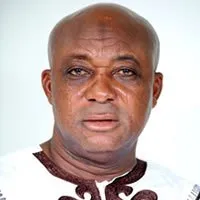 Abdul-Samed Muhammed Gunu
Former Member of Parliament
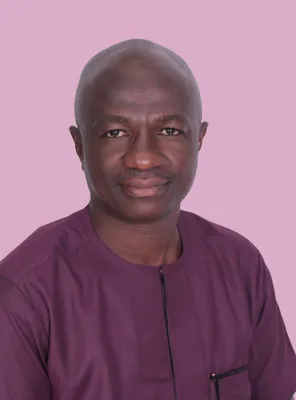 Abdulai Abanga
Former Member of Parliament
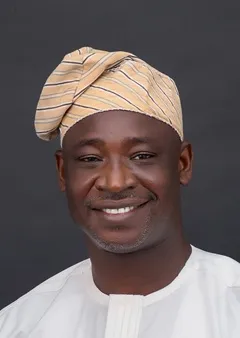 Abed-Nego Lamangin Bandim
Member of Parliament
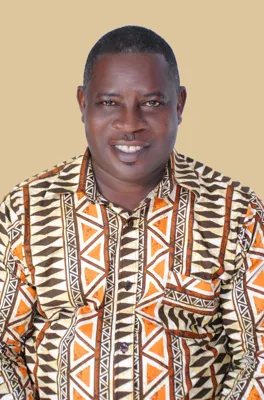 Abeiku Crentsil
Former Member of Parliament
 Abena Durowaa Mensah
Former Member of Parliament
 Abena Osei-Asare
Member of Parliament, Chartered Accountant, Former Deputy Finance Minister
 Abraham Dwuma Odoom
Former Member of Parliament
Compare Abdul-Salam Adams
Schools
Sources & References
- "Adams Abdul Salam". Wikipedia.
- "Adams Abdul Salam". GhanaMPs.
Profile compiled from publicly available records. See our full source methodology →