

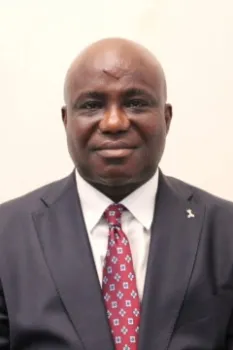
- Identity confirmed
- Date of birth checked
- Career history reviewed
- Awards & achievements audited
Eric Opoku
Minister for Food & Agriculture
About Eric Opoku
Eric Opoku is a Ghanaian teacher, agriculturalist and politician born on 5 June 1970 in Sankore in the Ahafo Region, who serves as the Member of Parliament for the Asunafo South constituency and as Minister for Food and Agriculture in the government of President John Dramani Mahama. A member of the National Democratic Congress who has represented Asunafo South since 2013, he has combined a career in teaching and cooperative agricultural development with multi-term parliamentary service and a ministerial appointment that places him in charge of Ghana's most strategically important sector by employment and food security.
Education and early career
Opoku earned a Bachelor of Arts degree in Social Science from the Kwame Nkrumah University of Science and Technology in 2004, providing an academic foundation in the social sciences that has informed both his understanding of rural communities and his approach to agricultural development. Before and during his early political career, he worked as a teacher with the Ghana Education Service at SDA Primary School in Sankore from 1997 to 2000, giving him direct community engagement in his home area. From 1998 to 2001, he worked alongside his teaching role as the Society Development Secretary at Kuapa Kookoo Limited, the cocoa farmer cooperative that became internationally known for its direct trading relationships and farmer-ownership model. His work at Kuapa Kookoo gave him early practical exposure to the cooperative agricultural economy and the challenges of building farmer incomes in the cocoa sector.
Parliamentary career
He was first elected Member of Parliament for Asunafo South in the 2012 general election and assumed office in January 2013. He retained the seat in 2016 with 52.97 per cent of the valid votes and was re-elected in subsequent cycles. He has consistently represented a constituency in the Ahafo Region's forest belt where cocoa and timber are the primary economic activities and farmer welfare is a central constituency concern.
As Minister for Food and Agriculture
President Mahama appointed him Minister for Food and Agriculture in January 2025. The ministry oversees Ghana's agricultural sector, including food production, input supply, extension services and agribusiness development across the country's diverse farming communities. His background in social science, cooperative agricultural work and his years of representing a predominantly farming constituency give him an unusual combination of technical orientation and practical political experience for one of Ghana's most critical cabinet portfolios.
Political Legacy
Eric Opoku's elevation from constituency teacher and cooperative development worker to multi-term MP and cabinet minister in the sector he has advocated for in his career represents a career trajectory with unusual coherence between professional roots and political responsibility.
Frequently asked questions about Eric Opoku
What is Eric Opoku's net worth?
Eric Opoku has an estimated net worth of $1 million (estimated).
How old is Eric Opoku?
Eric Opoku is 56 years old, born June 5, 1970.
What is Eric Opoku known for?
Eric Opoku is a Minister for Food & Agriculture.
What is Eric Opoku's nationality?
Eric Opoku is Ghanaian.
Where did Eric Opoku study?
Eric Opoku studied at University of Essex: Master of Laws (LLM) Kwame Nkrumah University of Science and Technology (KNUST).
Personal Information
- Date of Birth
- 5 June 1970
- Nationality
- Ghanaian
- Constituency
- Asunafo South
- Political Party
- National Democratic Congress
- Region
- Ahafo
- Religion
- Christianity
Education
- University of Essex: Master of Laws (LLM)
- Kwame Nkrumah University of Science and Technology (KNUST)
Connections
How Eric Opoku is linked to other figures on Agyedin.
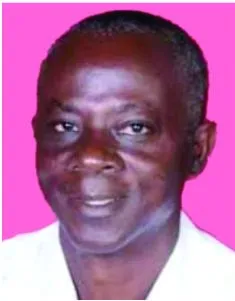
Related Personalities
 Eric Osei-Owusu
Former Member of Parliament
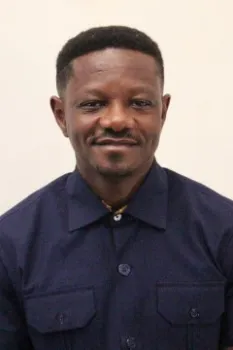 Ernest Adomako
Member of Parliament
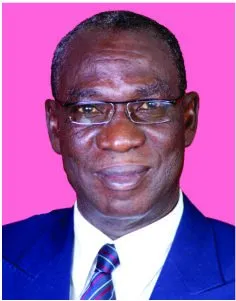 Ernest Akobuor Debrah
Former Minister, Former Member of Parliament
 Ernest Attuquaye Armah
Former Member of Parliament
 Ernest Brogya Genfi
Presidential Adviser on National Resilience and Emergency Preparedness
 Ernest Henry Norgbey
MP for Ashaiman, Procurement Specialist
 Ernest Kofi Yakah
Former Member of Parliament
Compare Eric Opoku
Schools
Sources & References
- "Opoku Eric". GhanaMPs.
Profile compiled from publicly available records. See our full source methodology →