

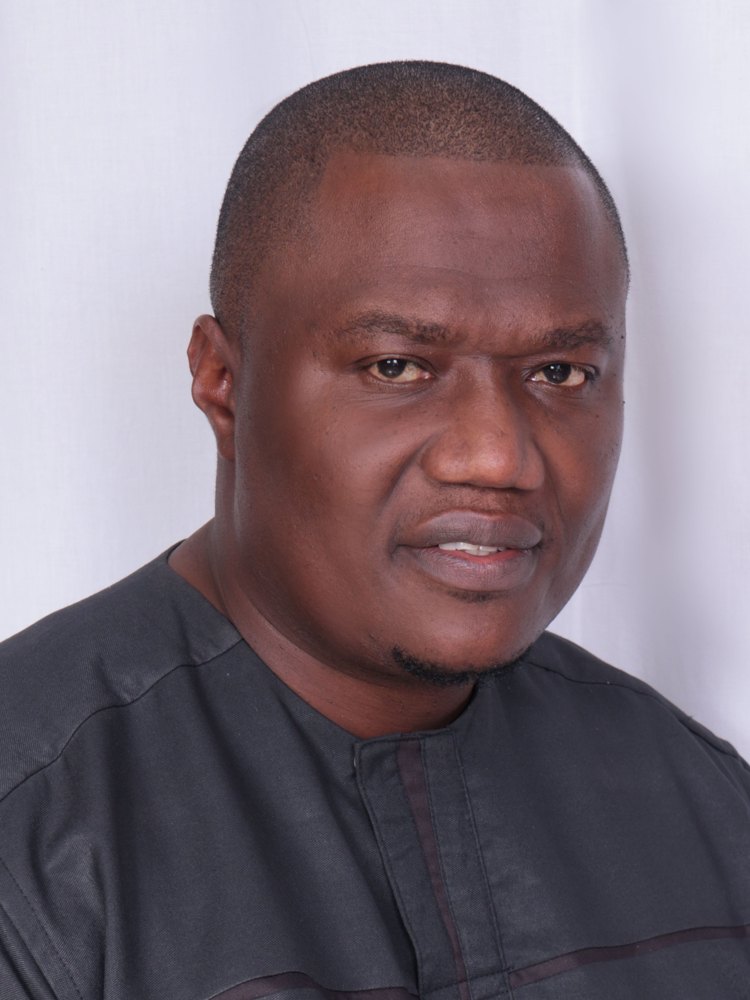
 Photo: upload.wikimedia.org
- Identity confirmed
- Date of birth checked
- Career history reviewed
- Awards & achievements audited
Nana Ayew Afriyie
Member of Parliament, Physician • Politician
About Nana Ayew Afriyie
Dr Nana Ayew Afriyie is a medical doctor and health economist who represents Effiduase-Asokore in the Ashanti Region for the New Patriotic Party (NPP). First elected in 2016, he won again in 2020 and 2024 and now sits with the NPP minority.
Doctor and economist
Born on 22 January 1978 in Effiduase, Afriyie qualified as a doctor at the University of Ghana Medical School in 2004. He then turned to the economics of health care, adding a postgraduate certificate in health economics from Oxford, an MA in economic policy management from the University of Ghana and a Master of Public Health in health economics from the University of Leeds.
Hospital leadership
Before Parliament he headed institutional public health at the Ridge Hospital in Accra and was chief executive of St John's Hospital and Fertility Centre at Tantra Hills.
Health Committee chairman
In the Eighth Parliament he chaired the Health Committee, putting him at the centre of debates on the National Health Insurance Scheme and health spending, and he also sat on the Finance Committee. He has four children.
Frequently asked questions about Nana Ayew Afriyie
How old is Nana Ayew Afriyie?
Nana Ayew Afriyie is 48 years old, born January 22, 1978.
What is Nana Ayew Afriyie known for?
Nana Ayew Afriyie is a Member of Parliament, Physician.
What is Nana Ayew Afriyie's nationality?
Nana Ayew Afriyie is Ghanaian.
Personal Information
- Date of Birth
- 22 January 1978
- Nationality
- Ghanaian
- Constituency
- Effiduase-Asokore
- Political Party
- New Patriotic Party
- Region
- Ashanti
- Religion
- Christian
Related Personalities
 EBENEZER PRINCE ARHIN
Member of Parliament
EBENEZER PRINCE ARHIN
Member of Parliament
 John Setor Dumelo
Deputy Minister for Food & Agriculture
John Setor Dumelo
Deputy Minister for Food & Agriculture
 Linda Obenewaa Akweley Ocloo
Greater Accra Regional Minister
Linda Obenewaa Akweley Ocloo
Greater Accra Regional Minister
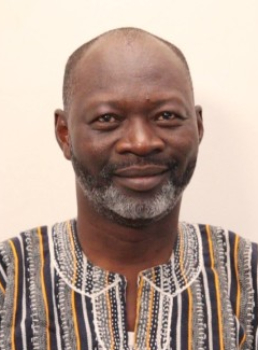 Sebastian Ngmenenso Sandaare
Member of Parliament
Sebastian Ngmenenso Sandaare
Member of Parliament
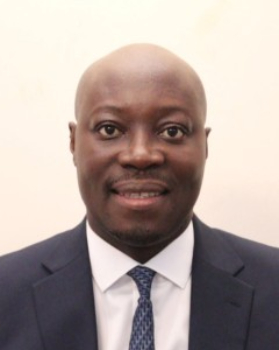 Cassiel Ato Baah Forson
Finance Minister, Member of Parliament
Cassiel Ato Baah Forson
Finance Minister, Member of Parliament
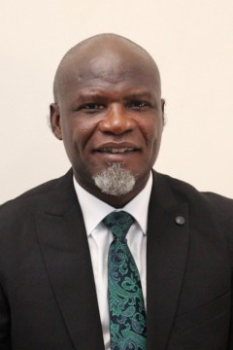 Philip Fiifi Buckman
Member of Parliament
Philip Fiifi Buckman
Member of Parliament
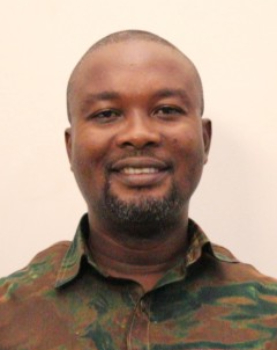 Othniel Ekow Kwainoe
Member of Parliament
Othniel Ekow Kwainoe
Member of Parliament
Compare Nana Ayew Afriyie
Sources & References
- https://en.wikipedia.org/wiki/Nana_Ayew_Afriye
- https://en.wikipedia.org/wiki/List_of_MPs_elected_in_the_2024_Ghanaian_general_election
Profile compiled from publicly available records. See our full source methodology →