

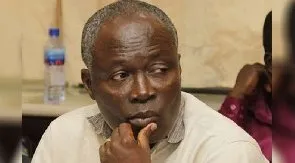
 Photo: cdn.ghanaweb.com
- Identity confirmed
- Date of birth checked
- Career history reviewed
- Awards & achievements audited
Philip Edward Archer
Former Chief Justice of Ghana
About Philip Edward Archer
Philip Edward Archer was Chief Justice of Ghana from 1991 to 1995, presiding over the courts as the country returned to constitutional rule. He was born at Abontiakrom near Tarkwa on 22 February 1925 and died at Korle Bu Teaching Hospital on 10 May 2002.
He went to St Peter's School in Sekondi and Adisadel College and studied at the University of Nottingham, qualifying as a solicitor in England in 1957. Back in Ghana he joined the Registrar-General's office, became Registrar-General in 1959 and judicial secretary in 1961.
He was appointed a High Court judge in 1964 and was one of the first four judges named to the Supreme Court of the Third Republic in 1980. He chaired the University of Cape Coast Council from 1979 to 1983, and after retiring from the bench in 1983 became full-time chairman of the Law Reform Commission. He was recalled as Chief Justice in 1991, joined the Council of State in 1995 and received the Order of the Star of Ghana in 2000.
Frequently asked questions about Philip Edward Archer
How old was Philip Edward Archer at death?
Philip Edward Archer died on May 10, 2002, aged 77. Philip Edward Archer was born on February 22, 1925.
What was Philip Edward Archer known for?
Philip Edward Archer was a Former Chief Justice of Ghana.
What was Philip Edward Archer's nationality?
Philip Edward Archer was Ghanaian.
Where did Philip Edward Archer study?
Philip Edward Archer studied at Adisadel College University of Nottingham.
Personal Information
- Date of Birth
- 22 February 1925
- Date of Death
- 10 May 2002
- Nationality
- Ghanaian
- Region
- Western
Education
- Adisadel College
- University of Nottingham
Awards & Achievements
Offices Held
Related Personalities
 Phyllis Christian
Lawyer, Founder of ShawbellConsulting
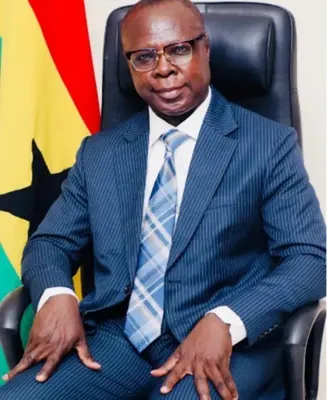 Richard Adjei-Frimpong
Justice of the Supreme Court of Ghana
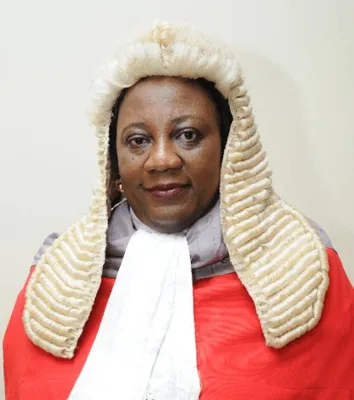 Rita Agyeman-Budu
High Court Judge, Women's Rights Advocate
 Robert Samuel Blay
Lawyer, Former Supreme Court Justice, Founder of the UGCC
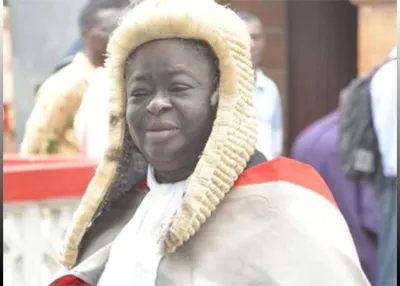 Rose Constance Owusu
Former Justice of the Supreme Court of Ghana
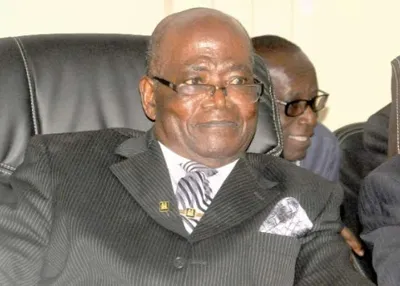 S. K. B. Asante
Lawyer, International Arbitrator, Paramount Chief of Asokore
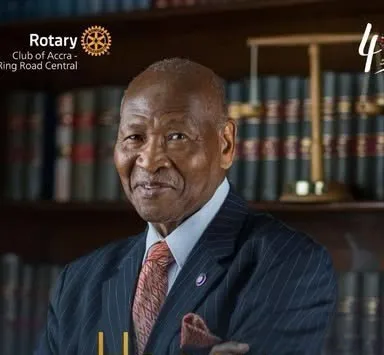 Sam Okudzeto
Lawyer, Former President of the Ghana Bar Association
Compare Philip Edward Archer
Schools
Sources & References
- "Philip Edward Archer". Wikipedia.
Profile compiled from publicly available records. See our full source methodology →