

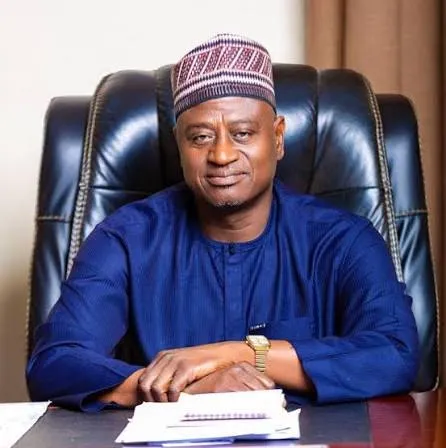
 Photo: web
- Identity confirmed
- Date of birth checked
- Career history reviewed
- Awards & achievements audited
Ibrahim Tia
North East Regional Minister
About Ibrahim Tia
Ibrahim Tia is a Ghanaian politician and public administrator affiliated with the National Democratic Congress who serves as the North East Regional Minister in the government of President John Dramani Mahama. Appointed and vetted in January 2025, he took office in one of Ghana's newest regions, created in 2019 when the former Northern Region was divided, bringing to a young regional administration the experience and development priorities of a politician who came of age in the political environment of northern Ghana.
Appointment and priorities
President Mahama nominated Tia as the North East Regional Minister-designate, and he appeared before Parliament's Appointments Committee on 27 January 2025, where he outlined his vision for the region's development. The North East Region, encompassing communities with significant agricultural potential and persistent infrastructure gaps, presented him with a governance challenge that required both strategic clarity and practical administrative capacity. He assumed full responsibility for the Regional Coordinating Council upon the completion of the vetting process, taking charge of the administration, inter-governmental coordination and development planning responsibilities that the role demands.
Development agenda
Tia has articulated a development agenda centred on three areas where the North East Region faces particular challenges. In agriculture, he has committed to promoting value-addition initiatives that would transform locally grown crops including watermelon, tomato and rice into processed products for domestic consumption and export, capturing more of the economic value that the region's fertile land has the capacity to generate. In healthcare, he has pledged to prioritise the upgrading of Community-based Health Planning and Services compounds, the frontline facilities through which primary care reaches the most remote communities in the region. In education, he has committed to improving access and quality, with particular attention to girls' education, working alongside the Ghana Education Service and non-governmental partners with established presence in the region.
Regional stewardship
By mid-2026, Tia had spoken publicly about the North East Region beginning to reap the benefits of its regional status, a reference to the administrative, budgetary and political resources that accrue to regions with their own coordinating councils and direct representation in central government planning. His stewardship of a region still finding its administrative footing in its early years of existence has required building institutional capacity alongside delivering on development priorities.
Political Legacy
Ibrahim Tia's tenure as North East Regional Minister places him at the helm of one of Ghana's youngest administrative units during a period when the foundations of regional governance are still being established. His focus on agricultural value-addition, healthcare access and girls' education reflects an understanding of the specific development bottlenecks that northern Ghana's newest region must address.
Frequently asked questions about Ibrahim Tia
What is Ibrahim Tia known for?
Ibrahim Tia is a North East Regional Minister.
What is Ibrahim Tia's nationality?
Ibrahim Tia is Ghanaian.
Personal Information
- Nationality
- Ghanaian
- Political Party
- National Democratic Congress
- Region
- North East
Related Personalities
 Ibrahim-Tanko Amidu
Acting CEO of STAR-Ghana Foundation, Governance Expert
 Ida Adjoa Asiedu
Member of Parliament
 Iddrisu Abdul-Kareem
Former Member of Parliament
 Iddrisu Dawuda
Former Member of Parliament
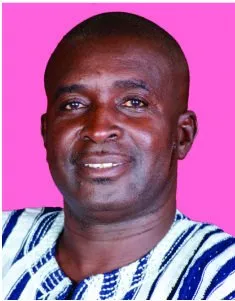 Iddrisu Zakari Alidu
Former Member of Parliament
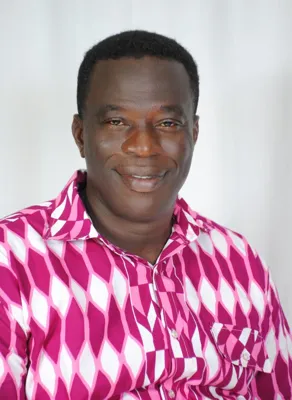 Ignatius Baffour-Awuah
Former Member of Parliament
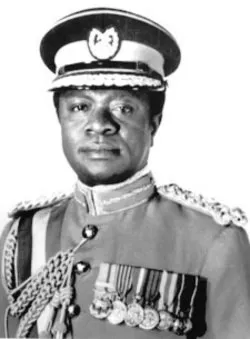 Ignatius Kutu Acheampong
Former Head of State, Army General
Compare Ibrahim Tia
Sources & References
- Official social media accounts and public statements
- GhanaWeb, Graphic Online, MyJoyOnline, Pulse Ghana
- Ghana Music Awards (VGMA) official records
- Ghana Football Association / CAF official records
- Official artist, company and government websites
- Published interviews and press releases
- Wikidata biographical data (secondary reference)
- Public records and verified news archives
Profile compiled from publicly available records. See our full source methodology →