

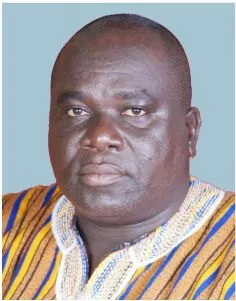
 Photo: ghanamps.com
- Identity confirmed
- Date of birth checked
- Career history reviewed
- Awards & achievements audited
William Kwasi Sabi
Former Member of Parliament
About William Kwasi Sabi
William Kwasi Sabi is a health administrator who represented Dormaa East in the Bono Region for the New Patriotic Party (NPP) in the Sixth and Seventh Parliaments, until 2021. He was born on 23 August 1966 and comes from Wamfie.
Sabi studied administration at the University of Ghana and took a Master of Public Health at the University of Cape Town. He was a hospital administrator with the Catholic Health Service in Sunyani, lectured at the Catholic University College of Ghana, and became an operations manager at the National Health Insurance Authority in 2008. He later worked as a management consultant with MDF West Africa. He is married with one child. Paul Apreku Twum-Barimah succeeded him for the NPP, and Rachel Amma Owusuah of the NDC holds the seat today.
Frequently asked questions about William Kwasi Sabi
How old is William Kwasi Sabi?
William Kwasi Sabi is 60 years old, born August 23, 1966.
What is William Kwasi Sabi known for?
William Kwasi Sabi is a Former Member of Parliament.
What is William Kwasi Sabi's nationality?
William Kwasi Sabi is Ghanaian.
Where did William Kwasi Sabi study?
William Kwasi Sabi studied at University of Ghana University of Cape Town.
Personal Information
- Date of Birth
- 23 August 1966
- Nationality
- Ghanaian
- Constituency
- Dormaa East
- Political Party
- New Patriotic Party
- Region
- Bono
- Religion
- Christian
Education
- University of Ghana
- University of Cape Town
Connections
How William Kwasi Sabi is linked to other figures on Agyedin.


Related Personalities
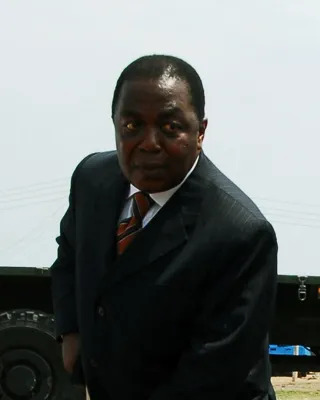 William Ofori Boafo
Former Member of Parliament
 William Owuraku Aidoo
Former Member of Parliament
 Williams Okofo-Dateh
Former Member of Parliament
 Wisdom Gidisu
Former Member of Parliament
 Worlase Kpeli
Member of Parliament
 Yakubu Mohammed
Member of Parliament
 Yao Gomado
Member of Parliament
Compare William Kwasi Sabi
Schools
Sources & References
- "William Kwasi Sabi". Wikipedia. Archived from the original on 25 August 2025.
- "List of MPs elected in the 2024 Ghanaian general election". Wikipedia. Archived from the original on 9 January 2026.
Profile compiled from publicly available records. See our full source methodology →